
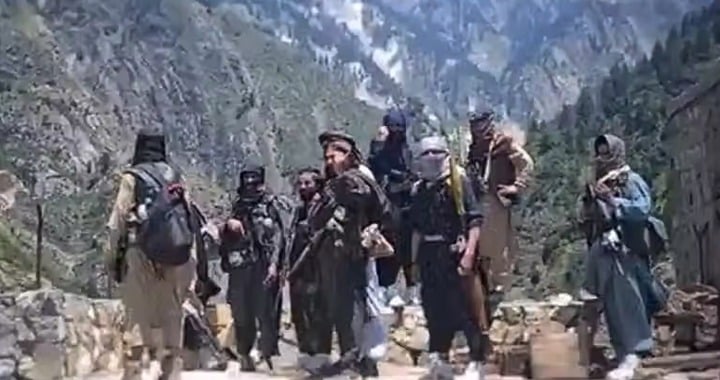
The Afghan Taliban have reportedly intensified pressure on Tehreek-e-Taliban Pakistan (TTP) networks in several parts of Afghanistan over the past three weeks, with multiple sources claiming that around 20 TTP commanders and supporters have been arrested.
The reported arrests span Kabul, Khost, Paktika, Kunar, Ghazni, Maidan Wardak, Kandahar and Uruzgan. However, the claims have not been independently confirmed by the Taliban, and conflicting information has emerged over the status of some individuals.
What the Reports Say
Sources in eastern and southern Afghanistan, Peshawar and South Waziristan claim that Taliban forces have detained a number of TTP figures during the reported crackdown.
Among those named in the accounts are Sher Zaman Aka, described as a senior TTP commander; Mawlawi Badri, identified as a former head of the group’s economic commission; Pir Zaman, associated with the TTP’s Balochistan division; and a commander known as Haji Kalan.
The sources also reported arrests among figures associated with Hafiz Gul Bahadur’s faction, including Darwish Dawar, Nasser Fateh and Ghazi Wazir. The available accounts, however, differ over their seniority and precise roles.
The reported operations have allegedly included searches of residences linked to TTP members in parts of Paktika, Khost, Maidan Wardak, Ghazni, Kunar and other areas.
Sources further claim that some Afghans have been detained over alleged communication or cooperation with TTP members.
Conflicting Accounts
Not all reported arrests have been corroborated, and at least one case has produced directly conflicting accounts.
One source claimed that a TTP-linked figure identified as Ikhlas Yar had been arrested from his residence in Kabul. A source affiliated with a local TTP branch, however, disputed the claim and said Ikhlas Yar was in South Waziristan and had not been arrested.
Such discrepancies make it difficult to establish the exact number of detainees or determine whether all of the individuals named in the reports are currently in Taliban custody.
The Afghan Taliban have not publicly confirmed the reported arrests.
TTP Members Allegedly Told to Leave Afghanistan
A source identified as a TTP official acknowledged that a number of the group’s members had been arrested in recent weeks.
The source claimed that some commanders were detained after being instructed to leave Afghanistan but allegedly remained there.
The same accounts describe searches of properties associated with TTP members in several districts, as well as reported closures of some roadside shops and fundraising points allegedly linked to displaced families from Khyber Pakhtunkhwa along parts of the Kandahar-Uruzgan route.
These claims remain attributed reports rather than independently verified facts.
Why the Developments Matter
The reported pressure comes against the backdrop of a long-running dispute between Pakistan and the Afghan Taliban over the TTP’s presence in Afghanistan.
Pakistan has repeatedly demanded practical action against the group and has maintained that terrorist networks operating from Afghan territory pose a direct security threat to Pakistan.
The Taliban, for their part, have denied supporting the TTP and have maintained that Afghan soil will not be used against other countries.
If the latest reports are accurate, the arrests and searches would represent a notable escalation against TTP networks. But arrests alone would not establish a fundamental policy change.
The more important question is whether the reported measures will continue, whether they will reach senior TTP leadership and support networks, and whether they will actually restrict the group’s ability to operate from Afghan territory.
Mufti Noor Wali’s Whereabouts Add Another Question
The reported crackdown also comes amid renewed questions over the whereabouts and freedom of movement of TTP chief Mufti Noor Wali Mehsud.
Recent footage has purportedly shown Noor Wali in areas of Khyber Pakhtunkhwa, including a video in which he is seen speaking to workers at a stone-mining site. Another video reportedly shows him associated with a drone operation.
The appearance is notable because Pakistani officials have repeatedly alleged that senior TTP leadership maintains safe locations in Afghanistan.
However, the footage by itself does not establish where Noor Wali is based or whether the reported Taliban operations have affected his movements.
Sources have also claimed that contact with Hafiz Gul Bahadur has been unavailable for several days. His current whereabouts and condition remain unconfirmed.
Crackdown or Temporary Pressure?
For now, the central issue is not simply whether individual TTP members have been arrested.
It is whether the reported actions represent a sustained Taliban policy against TTP networks or a temporary security measure prompted by mounting pressure.
That distinction will become clearer only through developments on the ground.
A sustained campaign would be reflected in continued arrests, disruption of support networks, restrictions on TTP movement and, most importantly, measurable constraints on the group’s ability to plan and conduct attacks from Afghan territory.
Until then, the reported arrests remain a significant but unverified development, rather than definitive evidence of a lasting policy shift.



