
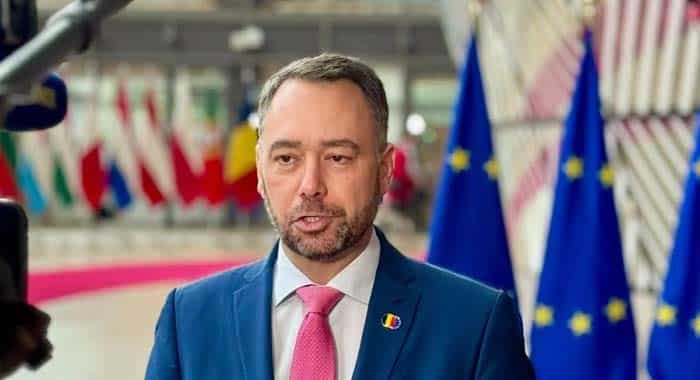
Belgium’s Foreign Minister Maxime Prévot has voiced strong opposition to a European Union decision to host representatives of the Taliban in Brussels, stating that he would not accept the invitation being extended in Belgium’s name, according to remarks reported by Reuters.
A spokesperson for Belgium’s Foreign Ministry clarified that Minister Prévot “would never accept that the Belgian government, in its own name, invite these individuals for discussions in Belgium,” underscoring internal reservations over the planned engagement.
The ministry confirmed that visa applications have been submitted for five members of the Taliban delegation. However, officials emphasized that all applicants will be subject to security screening procedures, and no timeline has been confirmed for visa issuance or the delegation’s arrival.
The planned visit is linked to a broader European Union initiative focused on discussions regarding the return and readmission of Afghan nationals who do not have legal permission to remain in EU member states. According to a letter cited by Reuters, the talks are scheduled for 22–23 June and are expected to address migration and deportation-related issues.
Despite the diplomatic outreach, Belgium’s Foreign Ministry reiterated that it does not support the invitation extended to Taliban representatives, adding that such decisions fall under the jurisdiction of European institutions rather than individual member states.
The European Commission, alongside the Swedish government, which are jointly hosting the proposed talks, has maintained that the meeting is strictly technical in nature and does not constitute recognition of the Taliban administration.
The invitation has sparked criticism from human rights organizations and civil society groups, who warn that engagement with the Taliban risks legitimizing the group and could endanger vulnerable populations in Afghanistan. A joint letter from dozens of Afghan and international organizations urged EU officials to reconsider the meeting and called for an immediate halt to deportations of Afghan asylum seekers.
The controversy comes at a time when the European Union is preparing to implement significant reforms to its migration and asylum framework. The European Parliament recently approved sweeping changes aimed at accelerating deportation procedures and enabling member states to establish return hubs outside EU territory. Critics argue that these measures may weaken legal protections for asylum seekers and intensify a deterrence-focused migration policy.
The reforms reflect a broader political shift across Europe, where rising anti-immigration sentiment has contributed to increased support for far-right political movements. The legislative package still requires final approval from all 27 EU member states.
In parallel, the European Commission has emphasized the need for more efficient return mechanisms for individuals whose asylum claims have been rejected or who have overstayed visas. However, human rights advocates and international observers continue to warn that current policy approaches risk overlooking root causes of migration, including conflict, economic hardship, and political repression.
The United Nations High Commissioner for Human Rights has previously criticized the growing dehumanization of migrants and refugees globally, warning that such trends contribute to widespread rights violations.
As the EU moves forward with its migration agenda, the planned engagement with Taliban representatives has intensified debate over the bloc’s balance between security-driven migration control and its stated commitment to human rights and international norms.



