
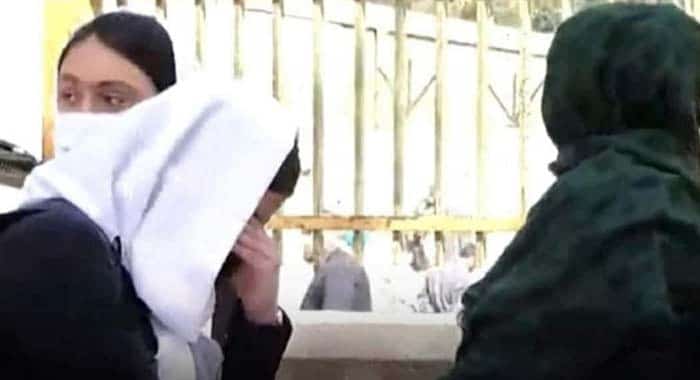
The Taliban’s ban on girls’ education beyond sixth grade has now entered its 1,733rd day, leaving millions of Afghan girls deprived of their fundamental right to education and drawing continued criticism from international organizations, rights groups, and Afghan civil society activists.
The restrictions were first imposed after the Taliban’s return to power in August 2021. Despite repeated assurances that schools would eventually reopen, girls above sixth grade remain barred from attending secondary schools across Afghanistan.
Senior Taliban officials have defended the policy over the years, arguing that the restrictions were necessary to prevent what they describe as “immorality” and to ensure an educational environment in accordance with their interpretation of Islamic principles.
The policy has effectively excluded millions of Afghan girls from formal education for nearly five years. International organizations have repeatedly warned that the continued closure of schools risks creating a generation of young women deprived of educational, economic, and social opportunities.
The restrictions extend beyond secondary education. In recent years, the Taliban administration has also imposed limitations on women’s access to universities and various professional sectors, further narrowing educational and employment prospects for Afghan women and girls.
The issue has once again gained attention following a series of protests and public demonstrations both inside Afghanistan and abroad.
Over the past several days, reports from Herat province have indicated renewed expressions of concern and criticism regarding restrictions on girls’ education and women’s rights. Activists and local women have continued to call for the reopening of schools and educational institutions, despite significant risks associated with public dissent under Taliban rule.
On Wednesday, a group of women reportedly staged a protest in Mazar-i-Sharif, calling for the restoration of educational rights and greater opportunities for Afghan women. Demonstrators emphasized that education is a fundamental right and urged authorities to reverse policies that have prevented girls from continuing their studies.
The protest followed a broader wave of advocacy campaigns by Afghan women’s groups seeking to draw attention to the continuing restrictions. Although public demonstrations inside Afghanistan remain rare due to security concerns and fears of detention, activists continue to use both local and international platforms to voice their demands.
The issue has also resonated beyond Afghanistan’s borders. Afghan diaspora communities and human rights activists recently organized coordinated demonstrations across fourteen European cities, highlighting the prolonged closure of girls’ schools and urging the international community not to normalize restrictions on women’s education.
Participants in the demonstrations argued that the education ban has become one of the defining human rights issues facing Afghanistan. Protesters called on international organizations, governments, and humanitarian agencies to maintain pressure on the Taliban leadership to reopen schools and educational institutions to girls of all ages.
Global institutions, including United Nations agencies and international human rights organizations, have repeatedly stated that access to education is a fundamental human right and have urged Afghan authorities to reverse the restrictions. Numerous governments have likewise linked Afghanistan’s international engagement and development prospects to improvements in women’s rights and educational access.
Despite years of international appeals, the Taliban leadership has shown little indication of changing its position. The continued closure of girls’ secondary schools has increasingly become a central point of contention between the Taliban administration and much of the international community.
As the ban reaches 1,733 days, millions of Afghan girls remain outside classrooms, their educational futures uncertain while calls for the restoration of their right to learn continue both inside Afghanistan and around the world.



