
Afghanistan continues to face a severe economic and humanitarian crisis under Taliban rule, with international observers raising concerns over worsening poverty, restrictions on civil liberties, and the exclusion of women from public life.
According to international media reports, recent assessments have highlighted the far-reaching social and economic consequences of Taliban policies since their return to power. Analysts warn that Afghanistan remains under strict administrative controls and extensive restrictions that continue to impact the daily lives of millions of citizens.
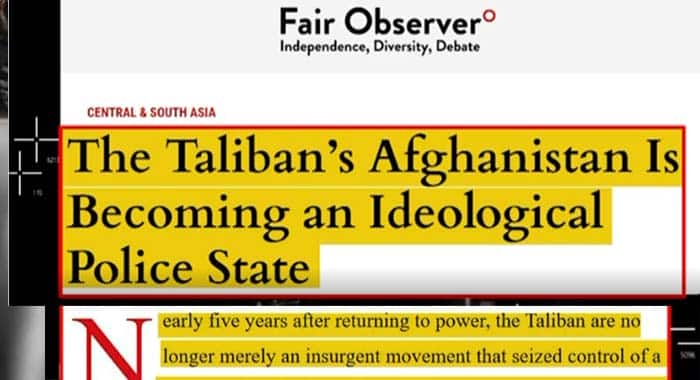
Reports published by international media outlets, including Fair Observer, have drawn attention to the Taliban administration’s policies regarding women’s rights and freedoms. The publication notes that women have increasingly been excluded from public engagement and social participation, while educational opportunities for girls have been significantly curtailed.
The reports indicate that more than 2.2 million Afghan girls are currently unable to access higher levels of education, raising concerns among human rights advocates and international organizations about the long-term impact on the country’s future development and social progress.
At the same time, Afghanistan’s economic situation remains fragile. Media assessments suggest that approximately 28 million people are experiencing severe poverty and humanitarian hardship, while nearly 80 percent of households are reportedly burdened by debt and financial insecurity. Economic stagnation, unemployment, and declining household incomes continue to place significant pressure on Afghan families across the country.
Observers have also pointed to concerns regarding governance, civil liberties, and security. Reports indicate that numerous arrests have occurred during recent months, further fueling debate over political freedoms and the broader human rights situation in the country.
International analysts continue to warn that Afghanistan risks further isolation unless meaningful economic reforms, inclusive governance measures, and protections for fundamental rights are implemented. Humanitarian organizations have repeatedly stressed the importance of ensuring access to education, employment opportunities, and social participation for all segments of Afghan society, particularly women and young people.
The developments have renewed calls from international stakeholders for increased attention to Afghanistan’s humanitarian challenges and for policies aimed at promoting economic recovery, social stability, and long-term peace.



