
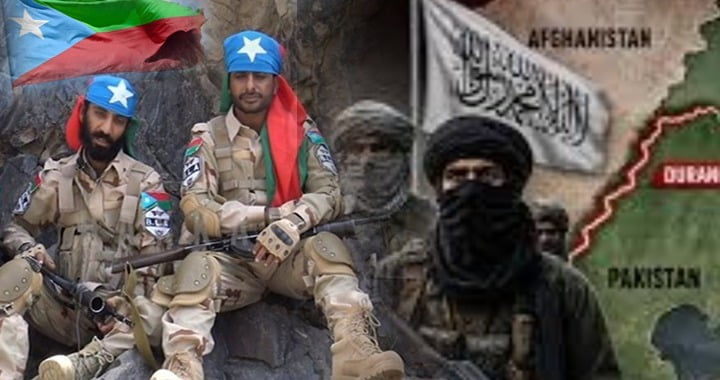
Pakistani authorities have intensified warnings about what they describe as a growing nexus between the banned Baloch Liberation Army (BLA), Tehreek-e-Taliban Pakistan (TTP), and Al-Qaeda, arguing that the collaboration has become a significant source of terrorism, sabotage, and instability across Balochistan and other parts of the country.
According to senior government officials and security authorities, the alleged alliance has enabled militant groups to expand their operational reach through coordinated recruitment, financing, training, and logistical support networks. Officials maintain that the partnership has played a central role in attacks targeting civilians, security personnel, critical infrastructure, and national development initiatives.
The concerns come amid continued security operations aimed at dismantling militant networks that authorities say seek to undermine Pakistan’s stability, disrupt economic progress, and fuel insecurity through violence and extremist propaganda.
Pakistani security officials contend that the BLA’s operational capabilities have been significantly strengthened through cooperation with TTP elements and Al-Qaeda-linked networks. According to government assessments, the relationship extends beyond ideological alignment and includes financial support, weapons transfers, training infrastructure, intelligence sharing, and cross-border facilitation mechanisms.
Officials argue that these networks have increasingly coordinated efforts to target strategic projects, including infrastructure linked to the China-Pakistan Economic Corridor (CPEC), which remains a cornerstone of Pakistan’s economic development strategy.
Balochistan Chief Minister Mir Sarfraz Bugti and senior security officials have repeatedly stated that militant organizations are attempting to create instability in the province by attacking security forces, development projects, educational institutions, and civilian targets.
Authorities have consistently raised concerns regarding the use of Afghan territory by militant organizations for planning, training, and operational coordination. According to official assessments, militant operatives allegedly exploit cross-border routes to facilitate the movement of recruits, trainers, facilitators, and suicide bombers. Security officials argue that these sanctuaries provide extremist groups with the operational depth needed to sustain attacks inside Pakistan.
Islamabad has repeatedly called for stronger regional and international cooperation to address cross-border terrorism and dismantle networks involved in supporting violent extremist organizations. Security experts note that the challenge of cross-border militancy remains one of the most complex security issues facing the region, requiring coordinated intelligence sharing and counterterrorism efforts.
One of the most concerning aspects highlighted by Pakistani authorities is the alleged exploitation of vulnerable women and young people by militant organizations. Officials state that extremist networks have increasingly relied on psychological manipulation, online radicalisation, and coercive recruitment methods to attract individuals into violent activities, including suicide attacks. According to security agencies, women and adolescent girls have become particular targets for recruitment efforts due to their perceived ability to evade suspicion during operational planning and execution.
Authorities argue that such practices represent a serious violation of cultural values and social norms while exposing vulnerable individuals to exploitation by extremist actors. Pakistani security agencies point to several recent cases as evidence of the methods allegedly employed by militant organizations. In one case cited by officials, security forces in Khuzdar arrested a woman identified as Laiba, also known as Farzana, who authorities say had been recruited and radicalised through a network linked to BLA-affiliated operatives. Investigators allege that she had been assigned not only to carry out a suicide attack but also to recruit other young women for similar missions.
Officials claim that recruiters specifically targeted financially vulnerable individuals through psychological manipulation and ideological indoctrination. In another case referenced by security authorities, investigations reportedly revealed the involvement of facilitators connected to a female suicide bomber associated with the Baloch Liberation Front (BLF). According to official accounts, logistical support was allegedly provided before the individual underwent training and later participated in an attack targeting a security installation.
Authorities have also highlighted the growing role of digital platforms in extremist recruitment campaigns. According to security officials, social media has become a primary avenue through which militant handlers identify, groom, and radicalise vulnerable individuals. Investigators allege that extremist networks use online communication channels to disseminate propaganda, establish contact with potential recruits, and maintain operational secrecy.
One such case reportedly involved a minor girl from Balochistan who was allegedly recruited through online platforms and prepared for a suicide mission in Karachi before authorities intervened. Officials argue that the incident underscores the urgent need for greater parental awareness, digital literacy, and online monitoring to protect young people from extremist influence.
Security analysts warn that militant organizations are increasingly targeting economic and development projects as part of broader efforts to create instability and discourage investment. Authorities maintain that attacks attributed to BLA, TTP, and affiliated groups have sought to undermine major infrastructure initiatives, disrupt commercial activity, and generate fear among local communities.
Officials argue that these attacks are intended not only to inflict immediate damage but also to weaken confidence in Pakistan’s long-term development trajectory. Particular concern has been expressed regarding threats to CPEC-related projects, which are viewed as strategically important to Pakistan’s economic future and regional connectivity.
Pakistani security forces emphasize that counterterrorism efforts extend beyond kinetic operations and increasingly focus on prevention, rehabilitation, and community engagement. Authorities state that intelligence-based operations conducted in cooperation with local communities have played a significant role in disrupting recruitment networks and preventing planned attacks.
Alongside security measures, rehabilitation and de-radicalisation programs have been introduced to help reintegrate individuals who may have been misled or exploited by extremist narratives. Officials believe that strengthening societal resilience, expanding educational opportunities, and promoting community awareness are critical components of long-term counterterrorism strategy.
The Government of Pakistan has repeatedly called upon the international community to take stronger action against terrorism financing, cross-border militant facilitation, and the use of proxy groups to destabilize sovereign states. Officials argue that addressing these challenges requires coordinated international efforts aimed at dismantling extremist networks, disrupting financial channels, and preventing the exploitation of vulnerable populations.
Security experts stress that terrorism remains a transnational threat requiring collective action, intelligence cooperation, and sustained commitment from regional and global stakeholders.
As Pakistan continues its efforts to combat terrorism and violent extremism, authorities remain focused on dismantling networks they say are responsible for destabilizing communities, targeting development projects, and exploiting vulnerable individuals for militant objectives. Officials maintain that defeating extremist organizations requires a combination of effective security operations, public awareness, international cooperation, and community resilience.
They emphasize that safeguarding Pakistan’s peace, stability, and future development remains a national priority, and that continued vigilance is essential in confronting evolving terrorist threats.



