
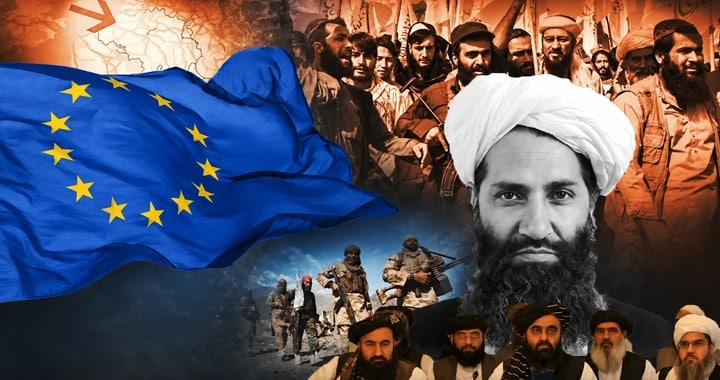
A coalition of more than 80 international human rights and civil society organizations has expressed deep concern over reports of a potential visit by a Taliban delegation to Brussels in June, urging the European Union to refrain from establishing political or diplomatic engagement that could be interpreted as conferring legitimacy on Afghanistan’s de facto authorities.
The appeal, led by the International Federation for Human Rights (FIDH) and supported by 82 additional international organizations, reflects growing international scrutiny of the Taliban administration’s human rights record and governance practices since returning to power in Afghanistan.
In a joint statement, the organizations called on European institutions and member states to exercise caution in their interactions with Taliban representatives, arguing that any form of official engagement on European soil could carry significant legal, political, and diplomatic implications.
The signatory organizations contend that the Taliban do not represent the Afghan population through an inclusive or democratic process and therefore should not be treated as the legitimate political representatives of the Afghan people. According to the statement, meaningful political recognition should be linked to principles of representative governance, respect for fundamental rights, and adherence to international obligations.
Human rights advocates argue that millions of Afghans—particularly women, civil society activists, journalists, ethnic minorities, and political dissidents remain excluded from political participation and decision-making processes. The organizations emphasized that engagement with Taliban authorities must not come at the expense of the voices and aspirations of the Afghan people.
The coalition also highlighted ongoing international concerns regarding human rights conditions in Afghanistan. According to the organizations, several senior Taliban figures remain subject to international scrutiny and sanctions-related measures. They further referenced ongoing international legal proceedings and investigations concerning allegations of human rights violations, including issues affecting women and girls.
Human rights groups maintain that restrictions on education, employment opportunities, political participation, and public life continue to generate widespread concern among international observers and advocacy organizations. The statement argues that these concerns should remain central to any policy discussions involving Afghanistan’s current authorities.
The organizations cautioned that official meetings or diplomatic engagement with Taliban representatives on European territory could be interpreted as a step toward political normalization and international acceptance of the current administration. According to the coalition, such actions could undermine international accountability efforts and send unintended signals regarding the global community’s commitment to human rights and democratic principles.
They further warned that premature political engagement may weaken leverage that international actors currently possess in encouraging reforms and improvements in governance and human rights protections.
The reported visit has generated debate among policymakers, legal experts, and human rights advocates regarding the appropriate balance between practical engagement and political recognition. Supporters of continued diplomatic contact often argue that engagement may be necessary to address humanitarian challenges, facilitate aid delivery, and maintain communication channels with authorities exercising control on the ground.
However, critics contend that any engagement must be carefully calibrated to avoid legitimizing policies and practices that remain the subject of widespread international criticism. Human rights organizations are urging the European Union to ensure that its policies toward Afghanistan remain firmly grounded in international law, human rights standards, and accountability mechanisms.
Advocacy groups emphasize that discussions regarding Afghanistan’s future should include broad participation from Afghan civil society, women’s organizations, human rights defenders, and other stakeholders whose voices have often been marginalized in international diplomatic processes. According to the coalition, creating political space for Afghanistan’s diverse communities is essential for achieving a sustainable and inclusive future for the country.
Experts note that long-term stability and development are unlikely to be achieved without meaningful representation, institutional accountability, and respect for fundamental freedoms. The concerns raised ahead of the reported Brussels visit reflect broader international debates regarding how governments and multilateral institutions should engage with Afghanistan’s de facto authorities while addressing ongoing humanitarian, political, and human rights challenges.
As discussions continue, policymakers face the complex task of balancing practical diplomatic considerations with commitments to international norms, accountability, and the protection of human rights. The outcome of these deliberations may have significant implications not only for European policy toward Afghanistan but also for the broader international approach to engagement with the country’s current leadership.
With international human rights organizations intensifying calls for caution, the reported visit of a Taliban delegation to Brussels has become a focal point in the wider debate over legitimacy, accountability, and the future of Afghanistan. As governments and institutions evaluate their next steps, advocates stress that the interests, rights, and aspirations of the Afghan people must remain at the center of any international engagement strategy.



