
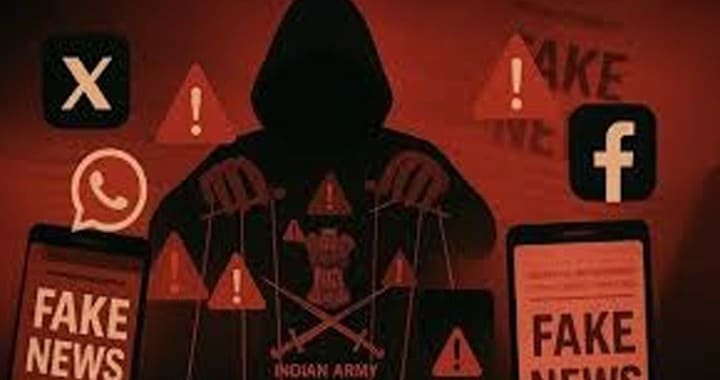
The nature of conflict has evolved dramatically in the twenty-first century. While conventional threats remain a reality, modern adversaries increasingly seek to influence societies not through weapons alone, but through information manipulation, psychological warfare, and digital propaganda. In this changing landscape, social media has emerged as one of the most powerful tools shaping public opinion, national discourse, and collective perceptions.
When used responsibly, digital platforms have the capacity to educate communities, connect citizens, promote transparency, and strengthen national unity. However, the same platforms can be exploited by extremist elements and hostile actors seeking to spread disinformation, incite division, and undermine public trust. Security observers and analysts have repeatedly warned that the information domain has become a critical battleground where narratives can influence attitudes, shape perceptions, and impact national stability.
Particular concern has been raised regarding the online activities attributed to extremist groups commonly referred to as Fitna al-Khawarij. According to security experts, such groups have increasingly expanded their outreach beyond traditional operational environments and into cyberspace, where they utilize social media networks, messaging applications, and digital content to amplify their narratives and recruit sympathizers.
Through carefully crafted misinformation campaigns, manipulated videos, emotionally charged messaging, fabricated claims, and anti-state rhetoric, these actors attempt to exploit social grievances and influence vulnerable audiences particularly young people. Their objective extends beyond spreading fear. By targeting public confidence, fostering suspicion, and encouraging polarization, they seek to weaken the social cohesion that serves as the foundation of a peaceful and resilient nation.
Analysts emphasize that one of the greatest challenges of the digital era is the speed at which false information can spread. A single unverified post, misleading video, or manipulated image can reach thousands of users within moments, often generating reactions before facts can be established. In many cases, individuals unknowingly become amplifiers of harmful narratives by sharing content without verification or understanding its source and intent.
The consequences of such actions can be significant. Disinformation not only distorts public understanding but can also create confusion, fuel mistrust, and provide extremist actors with opportunities to advance their objectives. Experts caution that every online interaction carries responsibility and that digital citizenship requires the same level of awareness and accountability expected in any other sphere of public life.
“The modern battlefield is increasingly defined by information,” noted security observers. “The struggle is no longer limited to physical territories. It is also a contest over narratives, perceptions, and the trust that binds societies together.”
Pakistan’s journey toward peace has come at a profound cost. The nation’s armed forces, law enforcement agencies, and countless civilians have made immense sacrifices in the fight against terrorism and violent extremism. Thousands have laid down their lives to protect communities, preserve national security, and secure a safer future for coming generations.
These sacrifices have contributed significantly to restoring stability across large parts of the country and strengthening Pakistan’s resilience against extremist threats. Observers stress that preserving these hard-earned gains requires vigilance not only on the ground but also in the digital space, where misinformation campaigns continue to challenge public understanding and social harmony.
Experts underline that responsible use of social media is no longer merely a personal choice it is a civic responsibility. Citizens are encouraged to exercise critical thinking, verify information through credible sources, and remain cautious of content designed to provoke emotional reactions or spread hostility. The distinction between legitimate discussion and deliberate propaganda has become increasingly important in an age where information can be manipulated with unprecedented ease.
To strengthen societal resilience against online manipulation, experts recommend:
- Verifying information before sharing it.
- Consulting multiple credible sources to confirm claims.
- Avoiding the circulation of sensational, unverified, or emotionally manipulative content.
- Promoting constructive dialogue based on facts and mutual respect.
- Reporting suspicious online activities that may contribute to extremism or public disorder.
- Supporting digital literacy initiatives that help citizens recognize misinformation and propaganda.
Public awareness specialists also emphasize the importance of fostering a culture where truth, reason, and evidence prevail over rumors, speculation, and manipulation. A well-informed society remains the strongest defense against those seeking to exploit uncertainty and division for destructive purposes.
Pakistan belongs to all its citizens, and the responsibility of safeguarding its peace, stability, and unity extends beyond any single institution. Government bodies, security organizations, media outlets, educators, civil society, and citizens all share a collective role in protecting the nation’s information environment from abuse.
In today’s interconnected world, a social media post can influence perceptions, shape conversations, and impact communities far beyond its original audience. Every shared message carries weight. Every online interaction has consequences. Every citizen has the power to contribute either to national cohesion or to the spread of misinformation.
As Pakistan continues its pursuit of peace, progress, and prosperity, the need for digital responsibility has never been greater. By embracing truth, exercising critical judgment, and rejecting extremist propaganda and disinformation, citizens can help ensure that the forces of division fail while the values of unity, resilience, and national solidarity prevail.
In the battle for hearts and minds, awareness is strength, truth is protection, and responsible citizenship is the nation’s first line of defense.



