
The United States has blamed the Taliban for Afghanistan’s worsening humanitarian aid crisis, urging them to play what it calls a “constructive role” in supporting the health and wellbeing of the Afghan people amid deepening food insecurity warnings from the United Nations.
The US State Department told Voice of America that, under a directive from President Donald Trump, all American assistance suspected of indirectly benefiting the Taliban has been suspended. The move comes at a time when international agencies are already struggling to maintain steady humanitarian supply lines into Afghanistan.
However, the broader situation reflects a far more complex chain of disruptions extending beyond any single authority. The UN World Food Programme has recently warned that essential food supplies meant for malnourished mothers and children have already run out, raising alarm over the scale of the crisis inside the country.
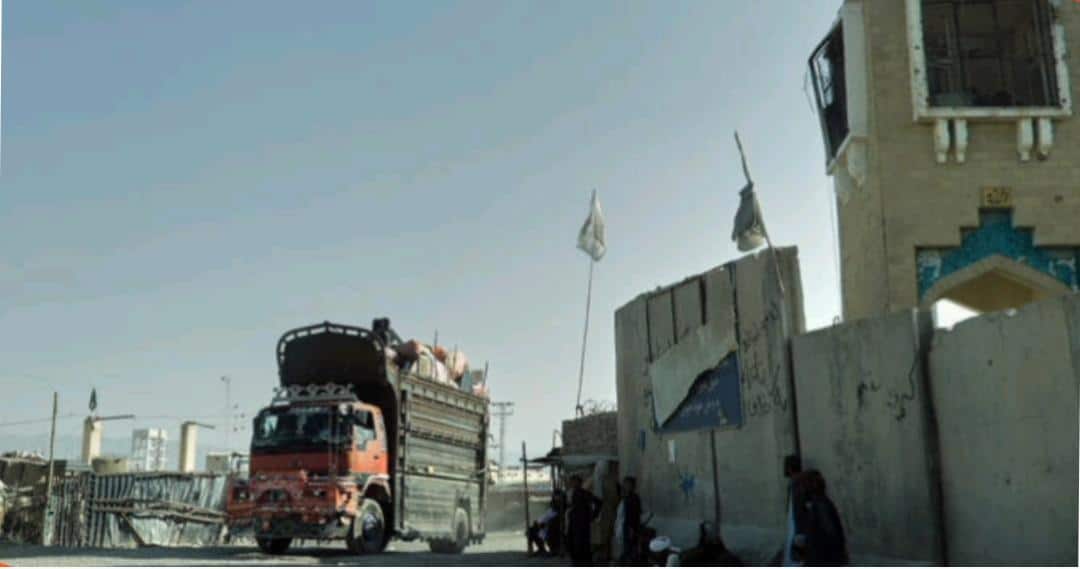
According to the WFP, the closure of the Afghanistan–Pakistan border since October last year forced humanitarian shipments to be rerouted through Iran. But that alternative corridor has now also become unstable due to escalating regional tensions in the Middle East, including port restrictions and maritime disruptions linked to wider geopolitical conflicts involving Iran and Western-aligned forces.
As a result, aid agencies have been forced to divert shipments through longer and more expensive routes via Saudi Arabia and Dubai, significantly slowing delivery times and increasing operational costs. Corinne Fleischer, Director of Supply Chain at WFP in Geneva, said around 17 million people in Afghanistan are currently facing acute food insecurity, with supply chains under severe pressure.
Meanwhile, the Taliban administration—already cut off from formal international financial systems and previously in dispute over trade routes with Pakistan—had attempted to rely on Iran’s Chabahar port as an alternative logistics hub. But with regional instability now affecting Iranian ports as well, Afghanistan’s access to efficient transit corridors has become increasingly restricted.
United Nations figures estimate that nearly 27 million Afghans depend on some form of international humanitarian assistance for survival. Yet with funding suspensions, shifting geopolitical tensions, and collapsing transit routes converging at the same time, the flow of aid has become increasingly fragmented.
While Washington and other international actors continue to place responsibility on the Taliban for governance and access issues, the unfolding crisis also raises broader questions about how sustainable humanitarian delivery can be when political decisions, regional conflicts, and border closures collectively choke the very supply chains on which millions depend.



