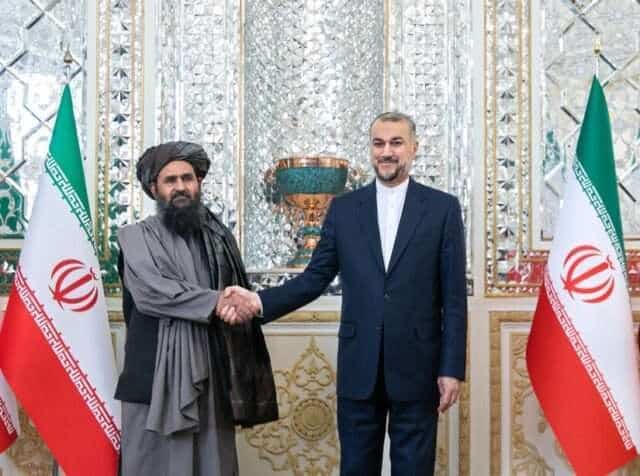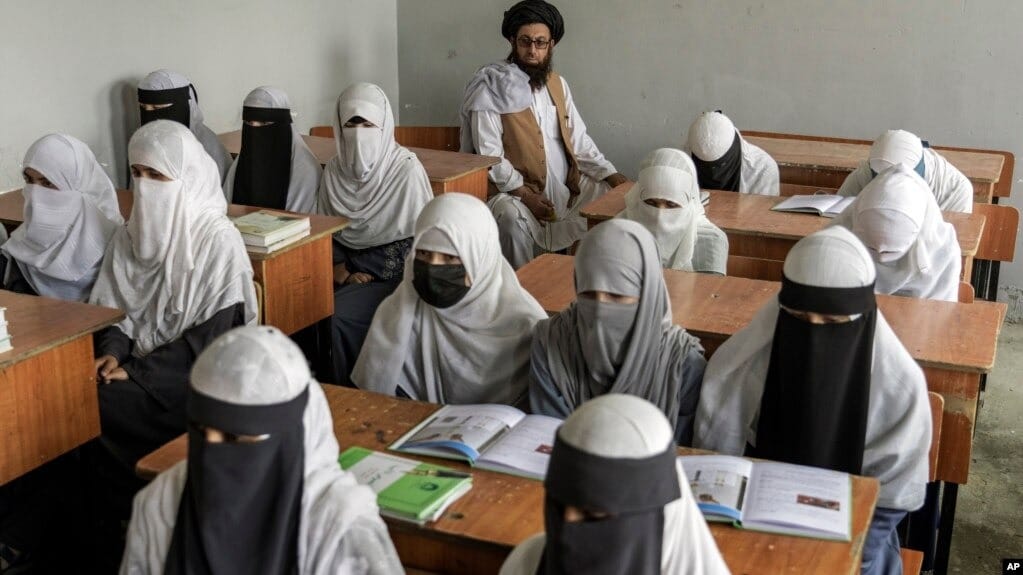
Since the Taliban returned to power in Afghanistan, the European Union’s position towards the regime and its policies has remained remarkably consistent. Whether it concerns restrictions on girls’ education, bans on women working, or the Taliban’s treatment of political opponents, the European Union has maintained the same stance throughout. It has consistently emphasized human rights, access to education and fundamental freedoms. That is precisely why, whenever an individual European country attempts to engage directly with the Taliban, it often raises concerns within the European Union, which remains cautious about any move that could be interpreted as legitimizing the regime without meaningful policy changes.
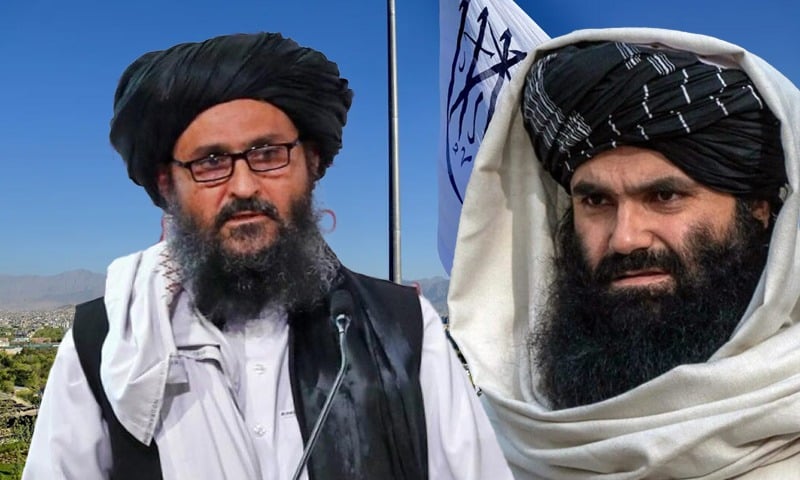
Another development that has sparked considerable debate is the recent claim made by former Afghan Vice President Amrullah Saleh, who alleged that the United States had secretly provided the Taliban with 25 million dollars through indirect channels. The allegation has surprised many observers because it appears to contradict Washington’s declared policy. On one hand, the United States continues to oppose the Taliban and repeatedly speaks about combating terrorism and religious extremism. On the other hand, according to these claims, financial assistance is still reaching the Taliban under the framework established after the Doha Agreement, providing the regime with internal stability.
These allegations have generated both concern and criticism across Afghanistan, particularly among political circles. Many are asking how the United States can publicly oppose terrorism while allegedly providing financial support to the very regime it continues to criticise. Moreover, the amount being discussed is not insignificant. Twenty-five million dollars is a substantial sum, and many Afghans argue that since the events of 9/11, even America’s allies have not collectively provided Afghanistan with assistance of this nature under such circumstances. Naturally, such claims fuel speculation that broader strategic objectives may be at play.
At the same time, Russia has also adopted an interesting position. A recent official statement from Moscow claimed that Al-Qaeda, Daesh and even the Taliban had, at different stages, benefited from American support and patronage behind the scenes. Although Russia continues to maintain diplomatic contacts with the Afghan Taliban, it has simultaneously become increasingly vocal in criticizing them. This dual approach once again reflects the complexity of regional geopolitics and suggests that major powers continue to pursue competing interests in Afghanistan.
Meanwhile, Afghanistan’s internal problems continue to worsen. The country’s polio eradication campaign has suffered another setback, particularly after four new polio cases were reported only recently. The healthcare sector is already struggling with a shortage of medical personnel, an insufficient number of vaccination workers and a severe shortage of medicines in hospitals across the country. Ironically, healthcare remains one of Afghanistan’s greatest challenges, yet it does not appear to be receiving the attention it urgently requires.
A political activist recently remarked that even if the Taliban had done nothing else, building a modern hospital would have been a significant contribution to Afghanistan’s future. That observation reflects a growing sentiment among many Afghans. Questions continue to be raised about where available financial resources are actually being spent. Critics argue that the funding reaching Afghanistan appears to serve purposes other than long-term development. Most visible development projects are either being undertaken by foreign companies or financed through international grants rather than domestic investment initiated by the Taliban administration itself.
Turning to Pakistan, intelligence-based operations continue across different parts of the country. Following security operations in Ziarat district, reports also indicate ongoing operations in Kech and Zehri. According to official figures, security forces eliminated 126 terrorists during operations in Ziarat. Although no comparable figures have yet emerged from Kech or Zehri, it is evident that operations are not confined to these districts alone but are continuing across various parts of Balochistan.
The security situation in Balochistan remains deeply concerning. Whether they are security personnel, government officials or ordinary civilians, people across the province continue to face serious security challenges both during the day and at night. Terrorist violence continues to affect daily life, creating an atmosphere of uncertainty in many districts.
The situation in Khyber Pakhtunkhwa is also deteriorating. The recent terrorist attack in the Laram mountain area of Lower Dir resulted in the martyrdom of three security personnel while fifteen others sustained injuries. Senior police officials later visited the injured personnel in Timergara, reflecting the seriousness of the incident. Yet this is only one among several recent attacks highlighting the worsening security environment.
Only a day earlier, terrorists attempted a suicide attack on the Miryan Police Station in Bannu. Before that, reports emerged from the Jamrud and Bara areas near Peshawar, where terrorists belonging to Lashkar-e-Islam, an allied group of the banned TTP, were reportedly seen establishing checkpoints, stopping vehicles and questioning local residents. Similar security concerns have also been reported from the border areas of Swabi and Buner, while Peshawar itself has not remained immune to these threats. A terrorist incident occurred recently in the Hasan Khel Sub-Division, and fresh intelligence regarding militant presence surfaced there again only a day later. Similar reports have also emerged from Darra Adam Khel. Taken together, these developments suggest that the overall security situation across Khyber Pakhtunkhwa is becoming increasingly challenging.
One factor contributing to this situation, in my view, is the continuing tension between the provincial and federal governments. The provincial leadership continues to issue strong statements, and there may well be sincerity behind many of them. However, there also appears to be a reluctance among some members of the provincial cabinet to visit areas affected by terrorism such as Dir, Buner or Bannu, or even to attend the funerals of martyred personnel.
Only recently, a Bomb Disposal Squad official embraced martyrdom while attempting to defuse an explosive device. Senior police officials and the Governor attended his funeral, yet there was no representation from the provincial political leadership. Such occasions are important not merely because of protocol, but because they directly affect the morale of those who remain on the frontlines.
If members of the provincial government are unable to visit every attack site, that is understandable. However, ensuring official representation at the funerals of martyred police personnel should become a priority. Today, the police remain among the primary targets of terrorist organizations. Almost every day brings reports of another police officer embracing martyrdom somewhere in Khyber Pakhtunkhwa while performing his duty.
Security operations will undoubtedly continue, as they do every day at different levels. Yet the deteriorating situation in both Khyber Pakhtunkhwa and particularly Balochistan has become a matter of national and international discussion. Political parties across Balochistan have repeatedly expressed concern over the province’s security situation.
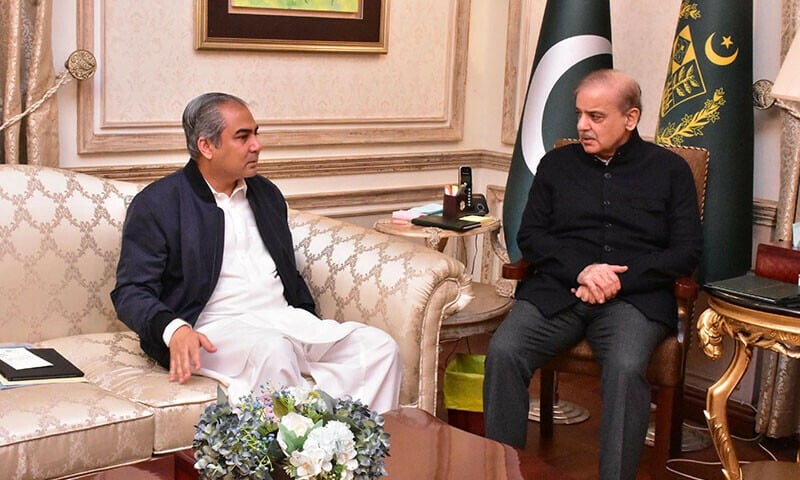
In these circumstances, the responsibility rests with the country’s leadership to bring all political stakeholders together. The Prime Minister, the Chief Minister of Balochistan and the Chief of Defence Staff, Field Marshal Asim Munir, should consider convening an All Parties Conference dedicated specifically to the country’s security situation. Every political party should be given the opportunity to present its views openly, and a comprehensive national strategy should emerge from that consultation. Only through political consensus, alongside continued security operations, can Pakistan hope to contain the current wave of terrorism, reduce tensions and move towards lasting peace.