
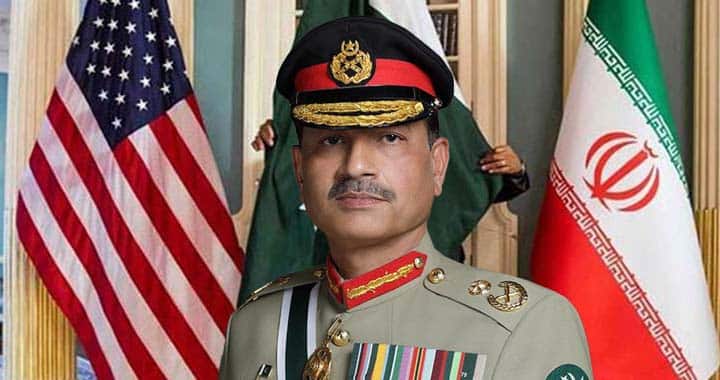
Amid heightened tensions between the United States and Iran, Pakistan’s emerging role as a discreet and effective intermediary has drawn increasing international attention and praise, with foreign media reports highlighting its evolving position in regional and global diplomacy.
According to a report by Turkish state media outlet TRT, Pakistan has positioned itself as a credible and trusted channel of communication between Washington and Tehran during a period of strained relations. The report notes that, unlike several regional actors, Pakistan has pursued a restrained and structured diplomatic approach, relying on behind-the-scenes engagement and quiet diplomacy rather than public political posturing.
The TRT analysis highlights that Pakistan’s diplomatic engagement during the crisis has been characterized by sustained backchannel communication efforts aimed at maintaining dialogue between the two sides. It further suggests that Pakistan’s strategic geography, combined with its established military and intelligence links and longstanding relationships with both the United States and Iran, has contributed to its unique diplomatic positioning.
The report also references Pakistan’s broader network of international relationships, noting its active engagement with key regional and global actors including China, Gulf states, Turkey, Iran, and the United States. This multi-vector diplomacy, according to the analysis, has strengthened Pakistan’s profile as a potential stabilizing actor in an increasingly complex geopolitical environment.
TRT further observes that Pakistan’s defense cooperation framework, including its evolving strategic partnership with Saudi Arabia, has contributed to enhancing its regional credibility. It also notes that Pakistan’s military leadership has maintained a firm stance on counterterrorism along its western borders, which, in turn, has reinforced perceptions of its role in regional security management.
The report attributes Pakistan’s diplomatic approach to a preference for low-visibility, results-oriented engagement, emphasizing that its efforts have focused on maintaining communication channels during periods of heightened tension rather than seeking public diplomatic visibility.
At the same time, the analysis cautions that sustaining and expanding this diplomatic influence will require Pakistan to address internal economic challenges. It argues that economic stability remains a key factor in determining the country’s long-term capacity to project diplomatic influence and sustain its role in regional mediation.
According to TRT, Pakistan has increasingly been viewed as an acceptable intermediary in broader Middle Eastern geopolitical dynamics, particularly during periods of crisis involving major regional and global powers. This perception has been echoed in previous acknowledgments from various international actors, including officials from the United States, Iran, Saudi Arabia, Turkey, and Qatar, who have at different times recognized Pakistan’s facilitative diplomatic role.
The report concludes that Pakistan’s evolving position reflects a shift toward pragmatic diplomacy rooted in strategic connectivity, military credibility, and sustained engagement across multiple geopolitical blocs. However, it emphasizes that maintaining this trajectory will depend on continued economic resilience and consistent diplomatic engagement.



