
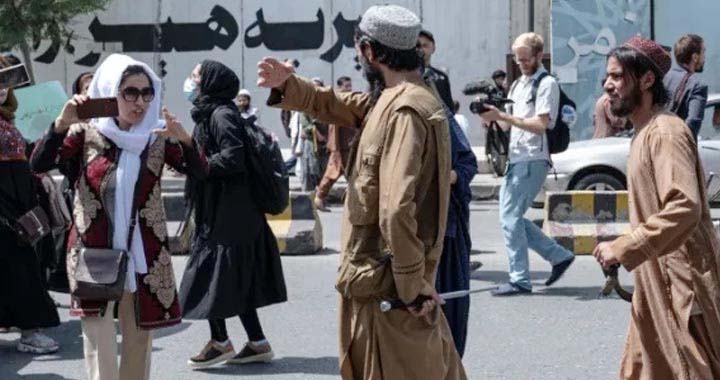
Serious concerns have been raised over the state of women’s rights in Afghanistan following the release of a special investigative documentary by the British Broadcasting Corporation (BBC), which highlights continued restrictions on education, employment, healthcare access, and broader civil liberties under the rule of the Taliban administration.
According to the documentary report, women in Afghanistan are facing sustained and systemic limitations on their basic human rights, with severe restrictions significantly curtailing their participation in public life. The report describes a situation in which millions of Afghan women and girls are increasingly confined to their homes due to restrictive policies that limit access to schools, universities, and workplaces, contributing to widespread social and economic exclusion.
The BBC report further highlights concerns that limitations on female education and employment opportunities have contributed to broader social vulnerabilities, including increased economic dependency and heightened risks of forced or early marriages. It also notes that women who have attempted to speak out against restrictive measures have reportedly faced suppression, with their voices being constrained through coercive measures.
The findings suggest that promises previously made regarding the inclusion of women in Afghan society have not been fulfilled in practice, with instead a pattern of sustained institutional restrictions on women’s participation in public and professional life. The documentary describes these measures as part of a broader framework of gender-based exclusion that continues to shape governance and social policy in Afghanistan.
Independent analysts cited in discussions surrounding the report argue that such policies have implications that extend beyond human rights concerns, potentially affecting Afghanistan’s economic development and international standing. Restrictions on women’s participation in education and the workforce are widely viewed by experts as factors that limit long-term economic growth, reduce human capital development, and further isolate the country diplomatically.
Human rights observers emphasize that the situation in Afghanistan reflects a broader debate over governance, international norms, and gender equality, with growing concern that sustained restrictions on women’s rights may place Afghanistan at odds with widely accepted global human rights frameworks.
The situation continues to draw international attention, with calls from various global organizations for inclusive policies that ensure equal access to education, healthcare, and employment opportunities for all citizens regardless of gender.
Further developments are expected as international stakeholders continue to assess the humanitarian, social, and economic implications of the evolving situation in Afghanistan.



