
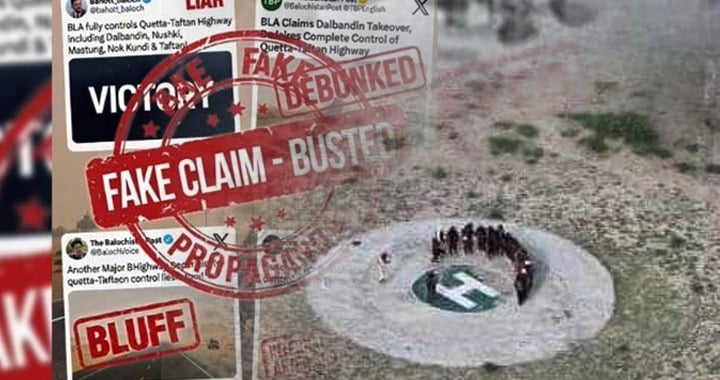
The circulation of misleading terrorist propaganda from North Waziristan has once again drawn attention to a broader challenge confronting regional security: the intersection of cross-border terrorist sanctuaries, extremist networks and increasingly sophisticated information campaigns.
The latest controversy began with a video released by Fitna al-Khwarij claiming the capture of a security position in the Shewa area of North Waziristan. Security sources rejected the claim, stating that the post had been vacated months earlier and that the footage was being used to create a false impression of operational success.
While the incident itself concerns a single location, security experts argue that it reflects a wider phenomenon extending beyond individual terrorist organizations or isolated events.
Over the past several years, terrorist groups operating against Pakistan have increasingly combined traditional insurgent tactics with digital influence campaigns. Videos, statements, edited footage and coordinated online messaging have become central components of efforts to shape public perceptions and magnify the impact of limited operational activity.
Analysts say these campaigns are particularly significant because they often seek to obscure the disparity between online narratives and battlefield realities. Terrorist organizations that face pressure from sustained counterterrorism operations may attempt to compensate through exaggerated claims intended to create the appearance of resilience and momentum.
Security observers further note that regional concerns about terrorist safe havens and support networks have remained a recurring feature of discussions among neighboring states. The presence of extremist groups in and around Afghanistan continues to be viewed by many regional actors as a source of instability capable of affecting security beyond Afghanistan’s borders.
The Information Front Has Become a Critical Battleground
Experts argue that modern counterterrorism efforts are no longer confined to physical operations alone. Alongside military and intelligence measures, governments increasingly confront attempts by terrorist organizations to manipulate information environments and influence public perceptions.
The objective of such campaigns is often psychological rather than military. By creating uncertainty, spreading misinformation and exaggerating capabilities, terrorist groups seek to generate effects disproportionate to their actual strength.
Pakistan’s security forces, meanwhile, continue to pursue intelligence-based operations against terrorist networks while working with local communities to identify threats and disrupt support structures. Observers note that cooperation from tribal populations in former tribal districts and other affected regions remains a significant factor in countering extremist influence.
Analysts believe that as terrorist groups face continued pressure on the ground, information warfare will likely remain a central element of their strategy. The challenge for security institutions and the public alike is distinguishing between carefully crafted narratives and verifiable realities.
The Shewa incident illustrates how a single piece of propaganda can quickly attract attention. Yet it also demonstrates how scrutiny of facts, local knowledge and ground realities can expose the gap between terrorist claims and the situation as it actually exists, reinforcing the importance of vigilance against both physical and informational threats.



