
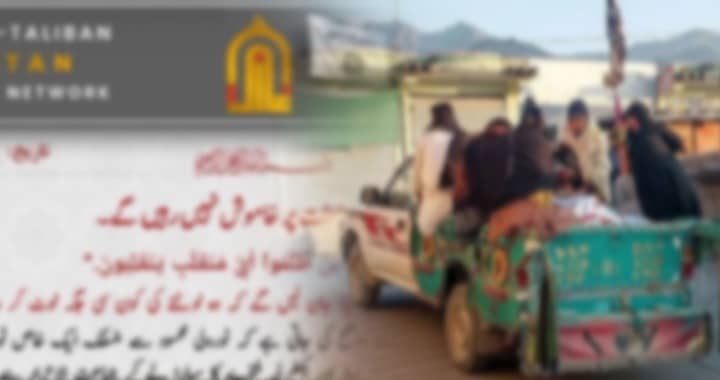
A fresh and serious rift has emerged within banned terror group operating in the region, as internal divisions among factions have reportedly escalated into open accusations and calls for revenge.
One splinter faction has accused the leadership of another rival group of orchestrating the killing of its senior commander, Mumtaz Ummati, along with 18 associates during recent violent clashes in the Kurram region. The killings reportedly took place amid intense fighting between rival terror groups already engaged in longstanding internal disputes over influence, control, and operational dominance.
A spokesperson for the faction publicly alleged that the rival leadership planned and executed the targeted elimination of its commanders, framing the incident as a deliberate internal purge rather than a battlefield casualty outcome.
In response, the group has announced retaliation, warning that the killings would not go unanswered and signaling a further escalation in internal violence among armed factions.
Security observers note that such infighting reflects deepening fragmentation within terrorist networks operating in Khyber Pakhtunkhwa and surrounding tribal districts. Rather than functioning as unified structures, these groups are increasingly appearing divided into competing power blocs, often engaging in violent confrontations against each other.
Analysts argue that these internal conflicts not only weaken coordination among armed groups but also contribute to unpredictable security dynamics on the ground, as shifting alliances and retaliatory cycles increase volatility in already affected regions.
The latest escalation underscores a broader pattern observed in recent months, where rival factions have repeatedly clashed over territorial influence, resources, and leadership authority, further complicating the already fragile security landscape in the region.
Authorities continue to monitor the situation as tensions between the groups remain high, with fears that further retaliatory actions could trigger additional cycles of violence within militant ranks.



