
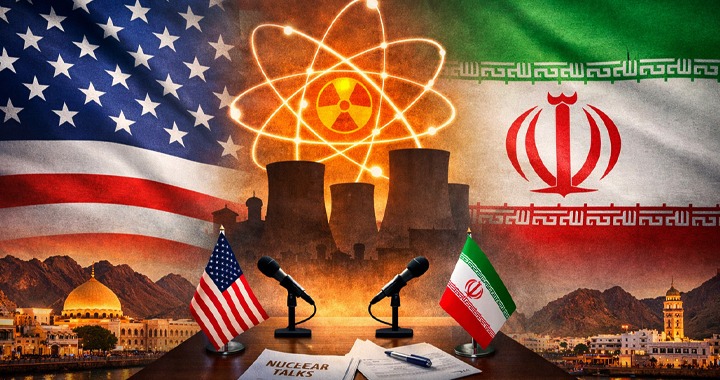
Ongoing diplomatic engagements in Islamabad involving the United States and Iran represent a significant step forward in international diplomacy, yet officials and analysts caution that the process remains far from a final settlement, with key issues still unresolved after decades of strained relations.
Describing the development as an “important diplomatic opening,” sources familiar with the discussions emphasized that while renewed contact reflects a willingness by both sides to engage, it should not be interpreted as a concluded agreement. The negotiations are addressing complex disputes that have evolved over nearly five decades, requiring sustained dialogue and careful confidence-building measures.
Experts note that high-stakes negotiations of this nature are inherently gradual and multifaceted. Rather than a single breakthrough event, the process is unfolding in phases shaped by longstanding distrust, domestic political considerations, regional security dynamics, and the need for credible verification mechanisms. Translating political intent into concrete, enforceable commitments remains one of the central challenges.
Observers also point out that fluctuating narratives including optimistic headlines, cautious official statements, and occasional mixed signals are typical of such sensitive diplomatic processes. Public messaging, selective disclosures, and strategic positioning often accompany negotiations, reflecting both internal and external pressures faced by the parties involved.
“The appropriate way to understand the current moment is that diplomatic contact has advanced meaningfully, but substantive agreements are still under negotiation,” a senior official stated. “Durable outcomes will require time, patience, and sustained engagement.”
Analysts further underline that any potential concessions or agreements will inevitably be influenced by domestic political environments in both countries, where public opinion and internal dynamics can shape the pace and scope of progress. This underscores the importance of statesmanship, steady leadership, and credible mediation in navigating the process toward a stable resolution.
Pakistan’s role as a facilitator in bringing the parties to the table has been widely acknowledged by diplomatic observers. Officials highlighted that constructive mediation and sustained engagement have helped shift the trajectory from heightened tensions toward dialogue and de-escalation, offering a pathway to enhanced regional stability.
While challenges remain, there is a growing consensus among stakeholders that continued engagement is preferable to renewed confrontation. The current trajectory, though complex and incremental, is viewed as a meaningful opportunity to reduce tensions and lay the groundwork for long-term peace and cooperation in the region.



