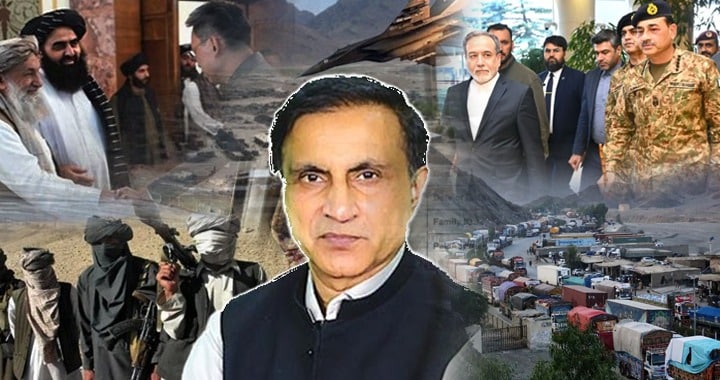
The issue of terrorism in Afghanistan is no longer confined within its borders, it has evolved into a regional and global concern, with its consequences increasingly visible in both human suffering and political instability.
Recent developments, including the reported arrest of Motasim Agha Jan and the targeted killing of members of the Shia community in Herat, highlight a deepening crisis within Afghanistan. These incidents are not isolated, rather they reflect structural fault lines within the Afghan Taliban’s internal framework and governance model.
At its core, the situation in Afghanistan is shaped by two fundamental realities. First, the current setup is not the outcome of an electoral or representative process, but rather the control of a group that now faces the complex challenge of governance without institutional preparedness. Second, the country’s already fragile infrastructure and economy have deteriorated further, leaving ordinary citizens in a state of severe hardship.
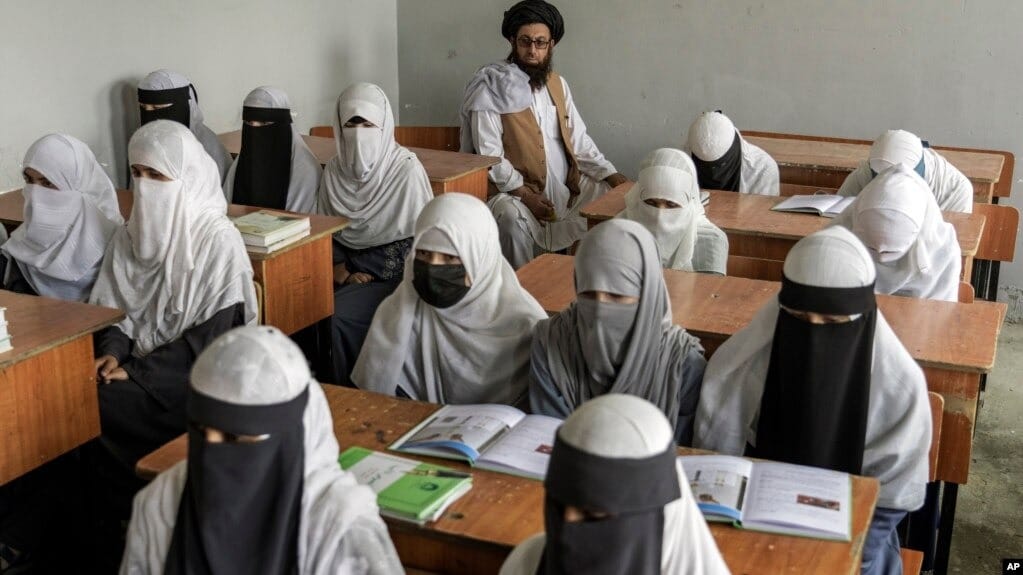
Reports from within Afghanistan paint a stark picture. Unemployment is widespread, economic activity is stagnant, and basic necessities are increasingly out of reach for large segments of the population. While the general population struggles for survival, the benefits of power appear concentrated among a select few, reinforcing perceptions of inequality and exclusion.
The targeting of minority communities, particularly the Shia population in Herat, adds another layer of concern. Such incidents not only raise serious questions about the protection of vulnerable groups but also indicate a broader pattern of intolerance. In any functioning state, diversity is managed through inclusion and representation, however, the current trajectory suggests a narrowing space for both.
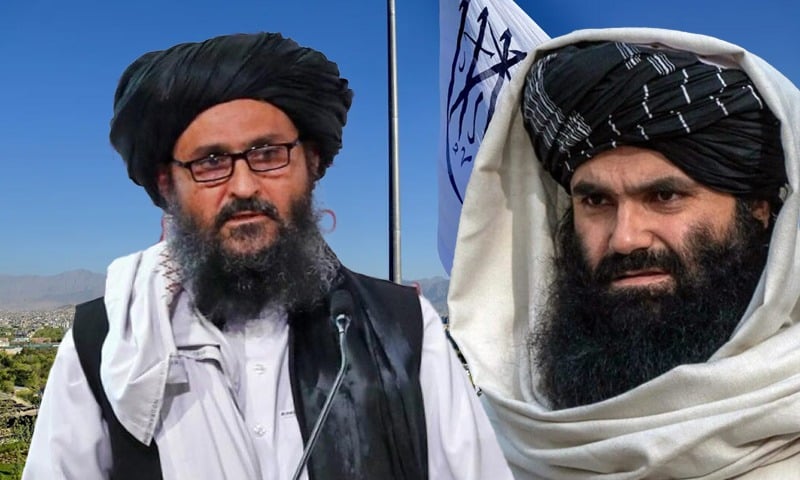
Internally, divisions within the Taliban remain a critical factor. The reported arrest of Motasim Agha Jan is being viewed in the context of these differences, particularly as voices of dissent, even within the ranks, appear to face suppression. Restrictions on media, limitations on freedom of expression, and actions against individuals for voicing criticism further underline the absence of institutional checks and balances.
These developments are unfolding alongside a broader environment of instability. Various groups, including resistance elements, have reportedly intensified their activities, while public dissatisfaction continues to grow. In such a climate, the use of coercion as a governing tool risks deepening fragmentation rather than ensuring control.
At the same time, Afghanistan’s internal challenges are compounded by its external dependencies. As a landlocked country, its economic survival is closely tied to regional connectivity, particularly with neighboring states. Without stability and policy clarity, prospects for investment, trade, and development remain limited.
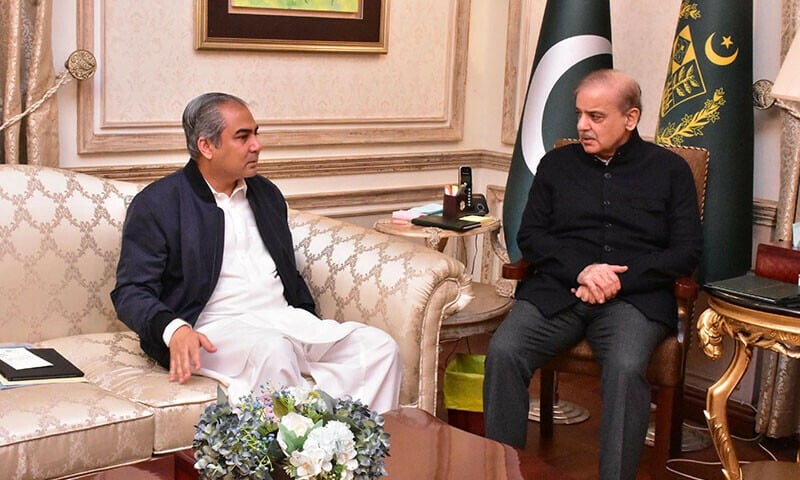
In contrast, Pakistan’s role in the region has taken on increased significance. Diplomatic efforts aimed at reducing tensions, particularly in the context of broader regional conflicts, reflect an approach centered on stability and engagement. These efforts are not isolated from Pakistan’s own security concerns, especially in relation to cross-border terrorism and the presence of hostile elements.
The issue of the banned Tehreek-e-Taliban Pakistan (TTP) remains central in this regard. Evidence and developments in recent months have reinforced concerns regarding the use of Afghan territory by terrorist elements targeting Pakistan. This has been consistently highlighted at both military and diplomatic levels, with a clear position that any meaningful engagement must be based on verifiable action against such groups.
Recent disclosures, including statements attributed to detained TTP terrorists, have added further weight to longstanding concerns about external facilitation and funding mechanisms. These revelations align with Pakistan’s position that terrorism in the region is not an isolated phenomenon, but part of a broader network involving hostile actors.
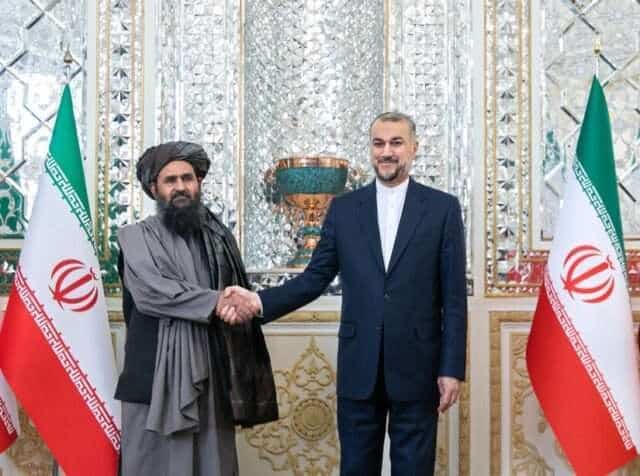
Efforts involving regional stakeholders, particularly China, indicate a possible pathway forward. Mechanisms such as third-party monitoring, structured engagement, and coordinated counterterrorism measures are being discussed as part of a broader framework aimed at addressing security concerns while facilitating stability.
However, the sustainability of such efforts depends on clear choices. The Afghan authorities must decide whether to align with international expectations and regional stability, or continue on a path that risks further isolation and internal fragmentation.
From Pakistan’s perspective, the priorities remain clear. Security, regional stability, and economic recovery are interconnected challenges that require a consistent and firm approach. The expectation is not merely dialogue, but demonstrable action.
As the regional environment evolves, the direction Afghanistan takes will have far-reaching implications, not only for its own people but for the broader region. The coming phase will be defined by whether internal divisions are addressed constructively or allowed to deepen further.