
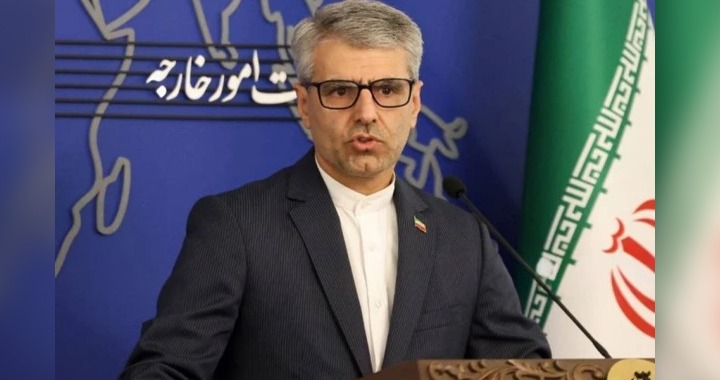
Iran’s Ministry of Foreign Affairs spokesperson, Esmaeil Baghaei, has stated that while recent negotiations held in Islamabad recorded progress on several issues, significant differences remain on key points, preventing the parties from reaching a final agreement.
In an official statement, Baghaei expressed appreciation to the Government and people of Pakistan for hosting and facilitating what he described as an important diplomatic effort. He noted that the talks in Islamabad constituted a serious and structured engagement, during which a range of sensitive and strategic issues were discussed in detail.
According to the spokesperson, the past 24 hours of discussions covered critical topics including the status of the Strait of Hormuz, Iran’s nuclear programme, war reparations, and the lifting of sanctions. The negotiations also included broader deliberations on de-escalation of regional tensions and the establishment of comprehensive and lasting peace.
Baghaei confirmed that despite constructive dialogue, disagreements persisted on two to three major issues, which ultimately prevented the conclusion of a final agreement. He emphasized that these unresolved points remain central obstacles in advancing the process toward a comprehensive settlement.
Reiterating Iran’s position, the spokesperson stated that the Islamic Republic will continue to utilize all available means to safeguard its national interests. He further stressed that the success of any diplomatic process depends on the seriousness and goodwill of the opposing side, urging restraint from what he described as “unnecessary demands” while calling for recognition of Iran’s legitimate rights and interests.
Analysts suggest that while the statement indicates the negotiations were not entirely unsuccessful, the persistence of core disagreements signals that a major breakthrough remains unlikely in the immediate future.
The Islamabad talks are being viewed as part of ongoing diplomatic efforts aimed at reducing tensions and exploring possible frameworks for dialogue between the involved parties, with Pakistan playing a facilitative role in hosting and supporting the process.



