
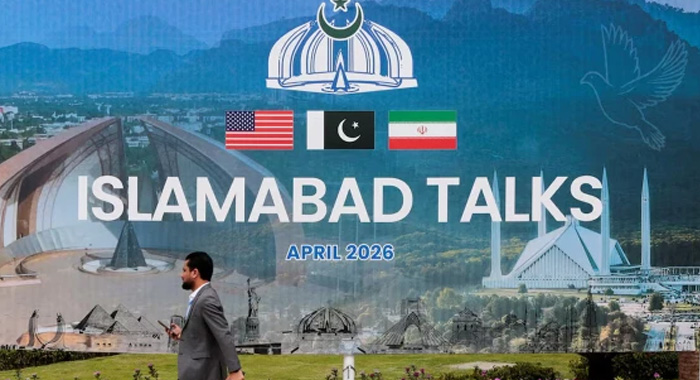
Pakistan has once again demonstrated its diplomatic capability on the global stage, playing a pivotal role in facilitating direct engagement between the United States and Iran two nations with a long history of strained relations.
According to diplomatic sources, Pakistan’s sustained, discreet, and highly professional efforts led not only to a mutual willingness toward de-escalation but also to a landmark development: both sides agreed to sit across the table for direct negotiations after decades of limited engagement.
The breakthrough follows approximately 31 hours of continuous and intensive diplomatic activity led by Pakistan’s leadership, particularly under the stewardship of the Deputy Prime Minister and Foreign Minister. Sources indicate that this persistent engagement helped bridge gaps in a complex and deeply rooted conflict, enabling both parties to explore pathways toward reducing tensions.
Pakistan’s role as a neutral facilitator has been widely acknowledged by both sides, with particular appreciation expressed for the Foreign Minister’s mediation efforts. Analysts are describing this as a significant diplomatic achievement for Islamabad, reinforcing its credibility as a constructive actor in regional and global peace initiatives.
The diplomatic process reportedly unfolded over multiple sessions and phases, addressing a range of sensitive and technically complex issues. While the dispute itself remains intricate shaped by longstanding disagreements, external influences, and strategic considerations sources confirm that meaningful progress was achieved, with several positive developments emerging from the talks.
Officials familiar with the negotiations emphasized that the outcomes whether realized or pending remain a matter for the United States and Iran to determine, as both nations continue to navigate internal pressures and long-term strategic priorities.
Despite these challenges, Pakistan’s intervention is being viewed as an important step toward fostering dialogue and reducing hostilities in a volatile geopolitical landscape. The initiative reflects Islamabad’s broader commitment to promoting regional stability and international peace.
Notably, remarks by U.S. Vice President J.D. Vance following the talks hinted at cautious optimism, referencing proposals discussed during negotiations that could serve as a foundation for future progress. Diplomatic sources further noted that both sides have now developed a clearer understanding of each other’s positions an essential prerequisite for any sustained diplomatic advancement.
Pakistani officials have reiterated that the details of the negotiations cannot be disclosed publicly, citing the sensitive and confidential nature of the diplomatic process. They emphasized that Pakistan’s role has been strictly that of an impartial mediator, focused on facilitating dialogue rather than influencing outcomes.
As the process moves forward, observers suggest that Pakistan’s successful facilitation may serve as a model for constructive diplomacy in resolving complex international disputes.



