
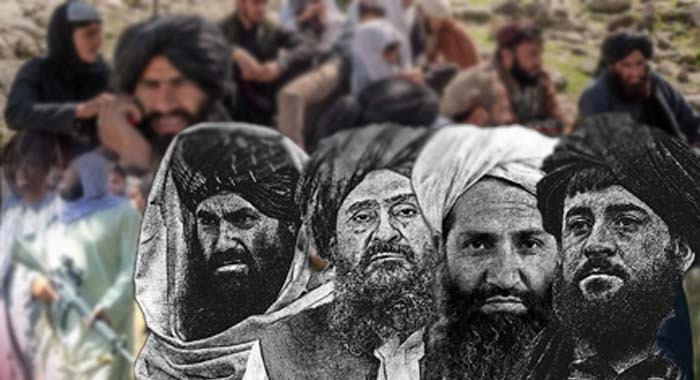
Afghanistan’s outward political cohesion increasingly conceals a deeper and more dangerous reality, a slow fragmentation of authority within the Taliban-led structure. Beneath the surface, ethnic, tribal, and factional fault lines are widening, raising the risk of competing power centers emerging across the country. For Pakistan, which shares a long and porous western border with Afghanistan, this internal drift is not a distant concern but an immediate security challenge.
Field assessments indicate that Taliban governance is facing growing strain from internal rivalries, particularly in northern regions where non-Pashtun groups are asserting space. Diverging interests among commanders, entrenched tribal loyalties, and inconsistent policy enforcement are weakening central control. This erosion is creating ungoverned pockets, fertile ground for terrorist groups and criminal networks to reorganize, recruit, and operate with reduced resistance.
For Pakistan, the implications are direct and immediate. Border regions such as Khyber Pakhtunkhwa and Balochistan remain highly exposed to developments across the frontier. Fragmentation inside Afghanistan risks providing expanded operational depth to the banned Tehreek-e-Taliban Pakistan (TTP), enabling cross-border attacks with greater frequency and coordination. Intelligence patterns increasingly point toward informal linkages between splinter factions and external actors, further complicating the threat landscape.
The security dimension is further intensified by humanitarian pressures. Internal displacement within Afghanistan, driven by instability and governance gaps, continues to push populations toward Pakistan. This movement is not merely a humanitarian concern but a multidimensional challenge, where unmanaged flows can intersect with security risks, including infiltration and facilitation by terrorist elements.
At a policy level, the situation demands calibrated but firm responses. Intelligence-led coordination strengthened border management, and targeted diplomatic engagement with Afghan authorities remain essential. At the same time, stabilization efforts in border areas must focus on resilience, ensuring that local populations are less vulnerable to exploitation by terrorist networks.
Afghanistan’s internal fragmentation is no longer a theoretical risk; it is an unfolding reality with direct consequences for regional stability. For Pakistan, the challenge lies in managing a dual front: containing the expansion of terrorist sanctuaries while navigating a complex and shifting political landscape across the border. Without sustained pressure, coordinated policy, and proactive engagement, these internal divisions risk evolving into a broader security crisis that extends well beyond Afghanistan’s borders.



