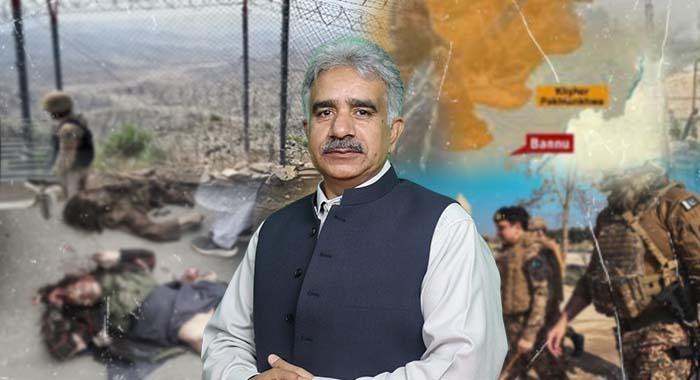
(Zahir Shah Sherazi)
The question often posed to me is deceptively simple: Is terrorism coming to an end in Pakistan, or is it merely changing its form and location? The recent realities in Khyber, Tirah, and Bara provide a stark answer. Terrorism has not ended; it has evolved, shifted, and adapted. Military operations have indeed brought significant relief, but the threat persists, resilient and sophisticated. After Operation Ghazab-lil-Haq, we observed a 65 percent reduction in terrorist incidents, which is an important achievement. Yet, the remaining thirty-five percent continues to challenge the state. The question remains whether this residual threat can be eliminated through military means alone or whether a broader strategy involving governance, social reforms, and active local participation is required. Experience shows that military action, while essential, addresses only one dimension of a multifaceted problem.
To understand this challenge, one must examine the origins and structure of militancy in Pakistan. The spillover of the Tehreek-e-Taliban from Afghanistan played a decisive role, resulting in the emergence of the TTP (Tehrik-i-Taliban Pakistan) under commanders such as Baitullah Mehsud, Qari Hussain, and Hakeemullah Mehsud. These leaders created a pattern of fear, intimidation, and punishment that controlled local populations, often brutally. Their operations were not spontaneous; they were supported indirectly by external forces, including the CIA and other international actors with vested interests in the region. The tribal areas of Pakistan, along with Balochistan and the Pakhtoon belt, became experimental grounds for radicalization and proxy conflicts. The dismantling of traditional structures, like the Malik system, which had previously provided local governance, allowed militant groups to consolidate power and operate with impunity. These were highly organized and sophisticated networks, numbering only a few thousand but capable of influencing large regions through fear and control.
Military operations in Pakistan’s tribal areas have been both strategic and reactive. The first significant operation was in Bajaur, where networks connected to Al-Qaeda were dismantled. While the immediate area was cleared, the militants relocated to Mohmand, North Waziristan, and later South Waziristan, demonstrating the adaptive nature of their operations. Leaders like Hafiz Gul Bahadur provided cross-sheltering, creating resilient and flexible networks. The militancy in regions such as Khyber, Bajaur, Aurangzeb, and Khurram was not only ideologically driven but also economically strategic. These areas were major smuggling routes for drugs and people, particularly from Bara and Tirah. From these points, narcotics like charas, heroin, and arms could move to Peshawar and even Islamabad in a matter of hours. Local populations, whether coerced, ideologically aligned, or economically incentivized, played a crucial role in sustaining these networks.
The operations in Tirah, for example, involved significant displacement of local populations. Among those displaced were not only ordinary residents but also sympathizers, patrons, and financiers of militancy. This highlighted a critical reality: successful operations must account for the social structures that protect and sustain militants. The seasonal movement of people in these regions further complicated military strategies. Residents and militant supporters alike moved between valleys and urban centers depending on climate, which allowed militants to maintain safe havens and logistical support. Clearing territory does not eliminate the network if the social and economic conditions that support militancy remain unchanged.
The persistence of militancy can be traced to multiple intertwined factors. Poor governance and weak administrative structures have historically left these regions underserved. Lack of education, limited economic opportunity, inadequate infrastructure, and insufficient public services create conditions in which militancy can thrive. Coercion is another powerful tool; families are threatened, children are forcibly recruited, and ideological narratives are imposed, framing participation in militancy as a religious or national duty. Financial incentives further entrench militancy. A militant may earn significantly more than any legitimate job in the region, making participation both profitable and socially reinforced. These factors, combined with ideological indoctrination and criminal networks, create a system resistant to purely kinetic solutions.
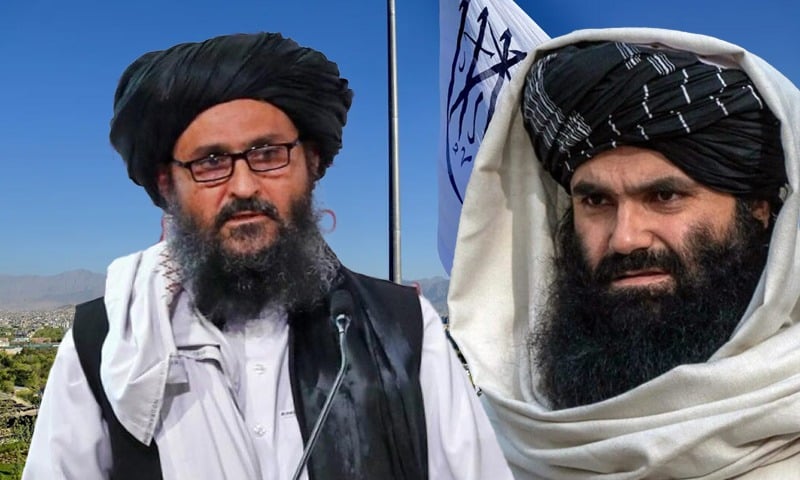
Cross-border dynamics further complicate the picture. Militants frequently use Afghan territory as a refuge, taking advantage of porous borders and local sympathies. Pakistan’s approach has evolved from reactive to aggressive, targeting militant safe havens across the border before they can launch attacks. Drone strikes, targeted raids, and other operations have dismantled camps, depots, and infiltration networks. These measures have contributed substantially to the 65 percent reduction in militancy. However, without consistent cooperation from Afghan authorities and clarity over responsibilities for controlling these networks, the problem remains unresolved. Safe havens continue to provide strategic depth for militant operations, and the movement of leaders and fighters across borders demonstrates the limitations of operations confined to Pakistani territory.
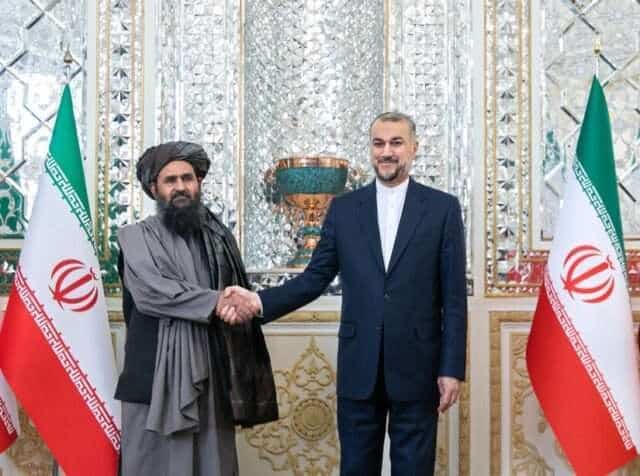
The question of negotiations with militant groups adds another layer of complexity. Diplomatic interventions by figures like Amir Khan Muttaki and countries such as the UAE and China have raised the possibility of dialogue. From my perspective, negotiations are only meaningful if accompanied by enforceable conditions: disarmament, dismantling of camps, and the handover of wanted individuals. Without such guarantees, talks risk becoming a stalling tactic rather than a path to resolution. Pakistan has experienced a troubling double standard: the international community consistently urges action against terrorism elsewhere but often tolerates or indirectly supports groups targeting Pakistan. This undermines trust in multilateral frameworks and reinforces the need for Pakistan to assert its own strategic priorities independently.
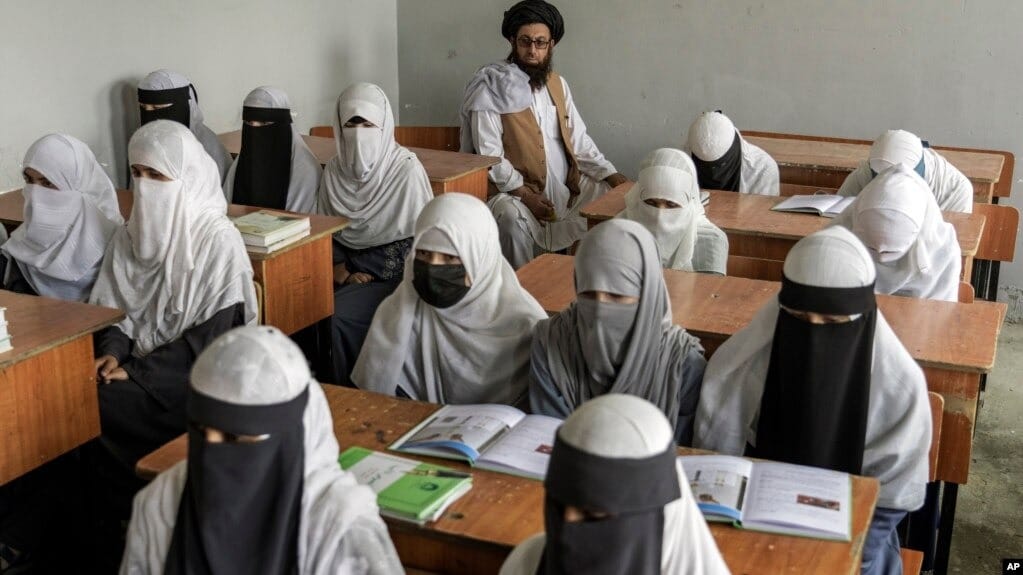
Long-term stability cannot be achieved by military action alone. The state must address the root causes of militancy through comprehensive governance, economic development, education, and community engagement. Providing quality schools, healthcare, infrastructure, and job opportunities diminishes the appeal of militant networks. Engaging local communities and tribal elders in governance strengthens societal resilience against coercion and ideological manipulation. Without addressing these underlying conditions, military victories remain temporary, and militants will continue to adapt and re-emerge.
Ultimately, terrorism in Pakistan is not ending; it is transforming. Its centers shift, tactics evolve, and networks adapt. Military operations have disrupted and weakened these structures, yet the underlying causes persist. Pakistan’s challenge is to build resilience socially, economically, and institutionally while maintaining effective security measures. The future of national security depends not only on the battlefield but also on schools, markets, communities, and governance systems where ordinary citizens live, work, and raise their children. Only by outpacing the militants in these areas can Pakistan hope for lasting peace. Until that happens, the fight is far from over, and adaptation—not elimination—remains the reality.