
A wave of near-simultaneous attacks across multiple districts in Balochistan is increasingly being viewed not as isolated incidents, but as part of a coordinated tactical shift by terrorist networks attempting to recalibrate their operational approach.
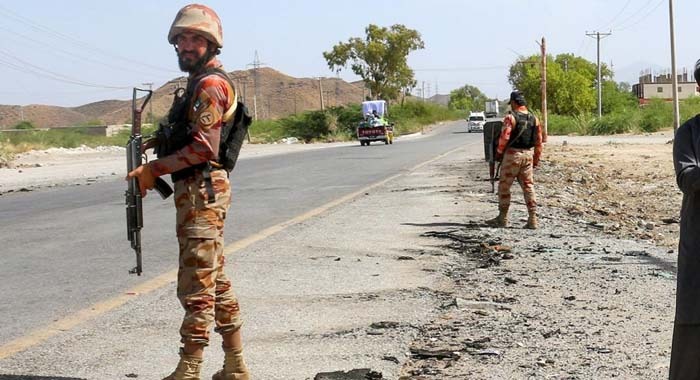
Recent incidents in Quetta, Mastung, Nushki, and Kharan reveal a consistent pattern. Attackers, often operating on motorcycles, targeted security checkpoints, carried out quick-hit assaults, and withdrew before sustained engagement could take place. Alongside these attacks, critical infrastructure, including railway tracks and gas pipelines, was deliberately sabotaged.
Security officials believe the combination of soft target strikes and infrastructure disruption reflects a broader strategic intent. Rather than attempting to hold territory, terrorist groups appear to be focusing on spreading instability, disrupting economic activity, and stretching security resources across a wide geographic area.
The expansion of targets marks a significant evolution. Checkpoints remain symbolic, but infrastructure represents economic continuity. By attacking both, terrorist groups aim to create layered disruption, affecting not just security forces but also civilian life and state functionality.
Analysts note that the geographic spread of the attacks indicates a level of coordination that goes beyond isolated cells. The timing, similarity in tactics, and choice of targets suggest communication and planning across districts, pointing to a networked operational structure.
Despite this shift, security forces were able to repel the attacks and maintain control, limiting casualties and preventing escalation. However, the pattern itself signals that terrorist groups are adapting under pressure, shifting from direct confrontation to dispersed, synchronized actions designed to create maximum psychological and operational impact.



