
Taimur Khan
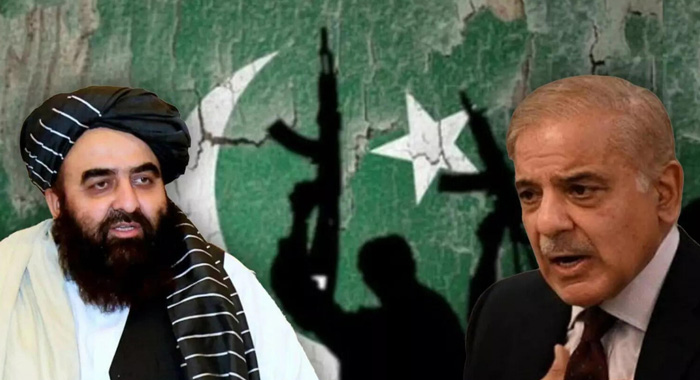
Since the return of the Afghan Taliban regime in August 2021, Pakistan has invested enormous diplomatic, tribal, and religious efforts to prevent the escalation of cross-border terrorism originating from Afghan territory. Early expectations suggested that dialogue, tribal jirgas, and religious mediation could bridge the growing security divide, with tribal elders and Islamic scholars acting as culturally and regionally informed intermediaries. Yet, after four years of sustained engagement, the reality has proven starkly different: terrorist networks continued to operate with impunity, and violence inside Pakistan escalated.
In the immediate aftermath of the Taliban’s return to power, Pakistan pursued every available avenue to foster peace. Direct negotiations with the Tehreek-e-Taliban Pakistan (TTP) under Afghan Taliban mediation temporarily resulted in a ceasefire in late 2021. Simultaneously, Pakistan’s foreign leadership engaged the Taliban at the highest levels, with meetings aimed at addressing border security, regional stability, and trade. Multilateral consultations, including the Moscow Format and regional conferences in Doha, brought together global and regional powers to emphasize that Afghanistan must not serve as a safe haven for terrorism or transnational crime. The Organization of Islamic Cooperation also convened a special session in Islamabad, engaging Taliban representatives, the European Union, and members of the UN Security Council, highlighting Pakistan’s commitment to an inclusive, diplomatic approach.
Alongside formal diplomacy, Pakistan relied on traditional and religious mediation. Tribal jirgas in South Waziristan and delegations of elders met Afghan authorities and TTP leadership in Kabul, seeking negotiated settlements. Religious scholars, led by prominent figures such as Mufti Taqi Usmani, worked tirelessly to appeal to militants’ sense of faith and reason, urging them to reconsider their demands and cease violent operations. These efforts reflected Pakistan’s deep commitment to culturally informed, non-coercive solutions as a first step toward stability.
Despite these extensive engagements, the TTP continued to enjoy safe havens within Afghanistan, using them to plan and execute attacks across Pakistan. Militants consistently exploited the dialogue process to buy time, resulting in repeated delays and minimal practical results. Rather than a reduction in violence, cross-border attacks and suicide bombings escalated, highlighting the limitations of dialogue when confronted with actors unwilling to comply with regional and international norms.
Pakistan’s experience over the past four years demonstrates a crucial lesson for counterterrorism and regional security. While dialogue and mediation are always preferable, persistent misuse of negotiations by extremist networks leaves states with little choice but to transition toward deterrence and defensive measures to safeguard citizens and national sovereignty. The period from 2021 to 2025 underscores that meaningful peace requires both sustained engagement and the credible threat of accountability for actors who exploit negotiation processes for their own ends.
Pakistan remains committed to peace in Afghanistan and the broader region, but the past four years make clear that dialogue alone, without tangible action to eliminate safe havens for terrorism, is insufficient. The path to regional stability must balance diplomacy with decisive measures that protect civilians, enforce commitments, and ensure that Afghan territory is no longer used as a staging ground for violence.



