
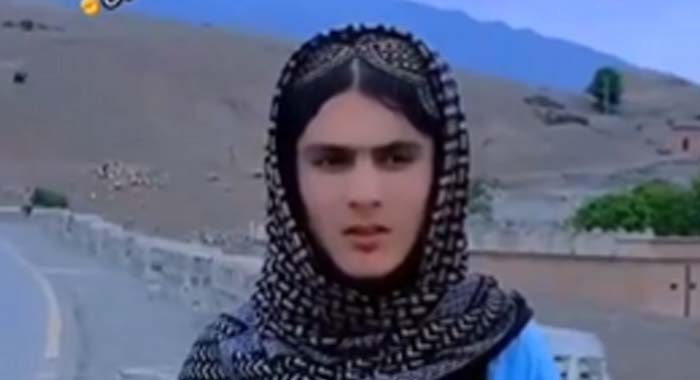
The suicide blast near Miranshah earlier this month has revealed a disturbing story of manipulation, coercion, and exploitation of a young life drawn into militancy.
Zarar Wazir, a resident of Paryat village in the Razmak area of North Waziristan, had recently completed memorizing the Holy Quran when militants linked to Ittehad al-Mujahideen Pakistan allegedly approached him for recruitment. According to local accounts, the boy was contacted by associates of a militant commander known as Abu Bakar, also called Mohsin, who began persuading him to join their ranks.
Gradually, Zarar started visiting the group’s temporary hideout in the Mossaki forests. During this period, senior militants reportedly subjected him to exploitation and recorded compromising material that could later be used to blackmail him should he attempt to leave.
Meanwhile, his disappearance left his family frantic. Parents and relatives searched desperately for their missing son until shepherds in the area informed them that he had been lured away by militants and taken to the Mossaki (JangJal) forests. The family visited the hideout multiple times, pleading for his release, but their appeals were rejected. According to those familiar with the case, militants told the grieving parents that their son would soon attain “72 hoors” in paradise and that the family would also be rewarded for his sacrifice.
As pressure grew for the boy’s return, the militants reportedly transferred him to another faction. Sources claim he was sold for Rs. 500,000 to a militant commander identified as Talwar Waziristani, associated with a militant operational network in the region. He was then placed under the supervision of a local commander, Irshad Himati.
Investigators believe the group prepared a Mazda truck packed with explosive drums and acid, allegedly supplied by an Afghan militant known as Mubariz Afghani, for a high-impact suicide attack. Before the operation, the boy was reportedly shown the intended target: the Chashmai check post near Miranshah, where security personnel were stationed.
Authorities had already circulated warnings about a possible suicide attack in the area, placing security forces on heightened alert. However, they lacked specific details about the bomber or the vehicle involved.
On the day of the incident, the explosive-laden truck approached the Chashmai Bridge check post on the main Bannu–Miranshah road. As it drew closer, two security personnel stationed at the post opened fire. Panicked, the boy detonated the explosives before reaching the HESCO barriers.
The blast killed two civilians and critically injured 18 others. No security personnel were killed due to the earlier alert and defensive action. Most of the casualties occurred among passengers traveling in a Hiace coach and other vehicles passing by at the time of the explosion.
Among the injured were six individuals from Zarar’s own village, Paryat Dirdoni, while the rest belonged to other areas of North Waziristan.
The tragedy underscores a recurring pattern in militant violence: the exploitation of vulnerable youth, whose lives are manipulated and sacrificed in the pursuit of militant objectives. The story of Zarar Wazir stands as a stark reminder of the human cost borne by communities caught in the shadow of extremism.



