
Pakistan Army artillery units carried out what officials described as “effective and intense” retaliatory shelling along the Kharlachi sector of the Pak-Afghan border in Kurram district after cross-border firing and mortar attacks were reported from the Afghan side.
Security sources said Pakistani positions came under fire from across the border, prompting a calibrated artillery response targeting identified firing points and fortified positions. Several Taliban fighters were killed and others wounded in the exchange, according to initial field assessments.
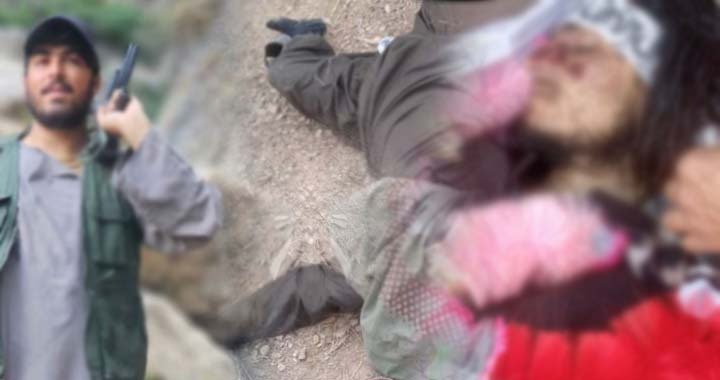
Among those reportedly killed was a district-level Taliban official, identified as Ulswal Nasratullah alias Kochi. Independent verification from the Afghan side was not immediately available.
The latest escalation follows recent artillery action near Torkham, where Pakistani forces eliminated Jalalabad-based commander Qahraman, described by security officials as a key facilitator of cross-border infiltration and militant operations inside Pakistan.
Escalation in a Volatile Corridor
The Kharlachi sector in Kurram has historically remained a sensitive crossing point, with rugged terrain enabling intermittent militant movement. Security officials said the retaliatory response was directed exclusively at active firing positions and fortified posts from where attacks were being launched.
Field reports suggest multiple enemy bunkers were damaged or destroyed during the exchange. Casualty figures remain provisional.
Military officials emphasized that the response was undertaken under Pakistan’s right to self-defense and aimed at neutralizing immediate cross-border threats rather than widening the confrontation.
Context of Recent Violence
Over the past month, Khyber Pakhtunkhwa has witnessed a series of high-profile attacks, including suicide bombings targeting police and joint check posts and civilians, as well as assaults in Bajaur, Bannu, Karak and Kohat. Security assessments have repeatedly linked elements involved in these attacks to safe havens across the border.
Islamabad has consistently urged the Afghan interim authorities to act against anti-Pakistan militant networks operating from Afghan soil. Officials maintain that insufficient action has been taken, necessitating intensified security measures along the frontier.
Operation Ghazab Lil Haq, launched in response to escalating cross-border militancy, remains ongoing. According to the military’s spokesperson, the operation will continue until its stated objectives, including dismantling infiltration networks and deterring cross-border aggression, are achieved.
Strategic Signaling
Analysts say the back-to-back artillery engagements at Torkham and Kharlachi signal a doctrine of rapid retaliation combined with intelligence-driven targeting. The message appears clear: cross-border firing and militant facilitation will invite immediate and proportionate response.
While both sides have so far avoided a full-scale confrontation, the pattern of exchange underscores a fragile security equilibrium along the western frontier, where tactical incidents can quickly carry strategic implications.



