
The Government of the Republic of Tajikistan has expressed grave concern over the deteriorating security situation in Afghanistan, warning that the current Afghan Taliban-led administration poses a serious and growing threat to regional peace and stability.
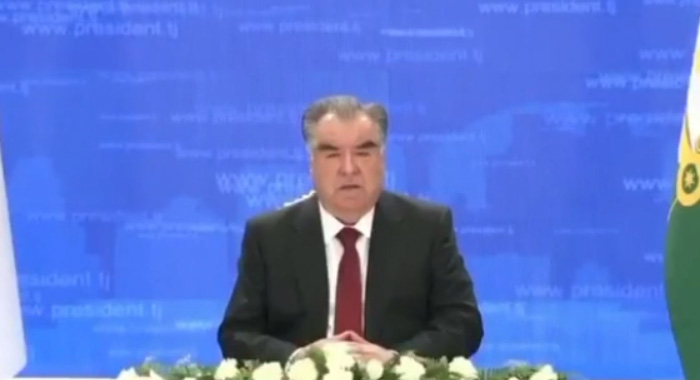
Following a recent attack attributed to Afghan Taliban elements targeting Tajikistan, President Emomali Rahmon issued a strong statement highlighting the direct risks such actions present to Tajikistan’s national security, sovereignty, and territorial integrity. The incident has significantly heightened security concerns and underscored the increasingly transnational nature of instability emanating from Afghanistan.
President Rahmon emphasized that the ongoing uncertainty and volatility within Afghanistan can no longer be viewed as an internal matter confined within its borders. Instead, the evolving security dynamics have clear and far-reaching implications for neighboring countries and the broader region, threatening peace, stability, and cooperative relations among states.
The Tajik leadership noted that the current political and security arrangements in Afghanistan have failed to ensure stability. The concentration of power, absence of inclusive governance, and lack of genuine public representation have not only deepened internal crises but have also produced tangible cross-border consequences. These conditions have created an environment in which extremism, violence, and insecurity can spill over into neighboring states.
Tajikistan reiterated that sustainable peace and long-term regional security cannot be achieved through exclusionary governance or unilateral control. Instead, lasting stability requires the establishment of a comprehensive, representative, and responsible government in Afghanistan one that reflects the will of its people and ensures the fair participation of all ethnic, social, and political groups in state affairs.
President Rahmon stressed that an inclusive political framework would not only help address Afghanistan’s internal challenges but also transform the country from a source of regional risk into a partner for cooperation and stability. Such an approach, Tajikistan believes, is essential to reducing tensions, preventing cross-border threats, and fostering constructive engagement among regional states.
The Government of Tajikistan reaffirmed its commitment to regional peace, dialogue, and cooperation, while calling on the international community to recognize the seriousness of the situation and support efforts aimed at promoting inclusive governance, accountability, and stability in Afghanistan.



