
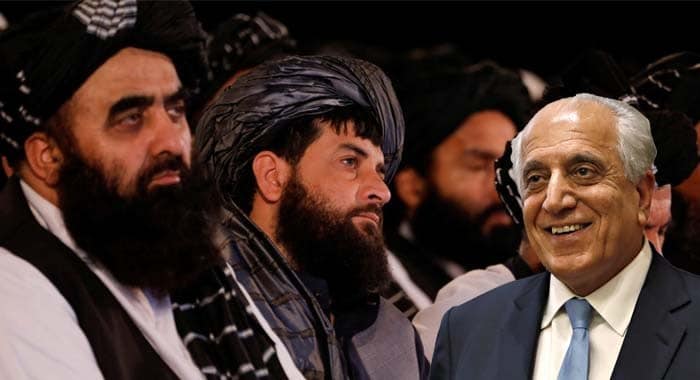
Afghan citizens have strongly criticized former US special representative for Afghanistan Zalmay Khalilzad over his role in facilitating the Taliban’s return to power, accusing him of helping legitimize a group whose rule has severely restricted their freedoms, fundamental rights and future prospects.
The criticism centers on Khalilzad’s diplomatic efforts to negotiate with the Taliban, pave the way for their return to power and secure international engagement with the group. Critics argue that these efforts came at an enormous cost to ordinary Afghans, whose hopes for freedom, political participation and a better future have suffered under Taliban rule.
According to Afghan citizens voicing their concerns, Khalilzad’s role in advancing the Taliban’s political acceptability represents a profound injustice to the Afghan people. They maintain that the diplomatic process that facilitated the group’s return failed to safeguard the rights and aspirations of millions of Afghans.
They also link the consequences of the Taliban’s return to the mass displacement of Afghan citizens, many of whom have been forced to seek refuge in other countries amid deteriorating freedoms and restrictions on daily life.
For many critics, the central grievance is not simply that the Taliban regained control of Afghanistan, but that international diplomacy helped create a pathway for their return without ensuring adequate protections for the population.
Afghan citizens have expressed deep resentment toward Khalilzad, arguing that those who helped facilitate the Taliban’s comeback must also answer for its consequences. Some have vowed that they will never forgive his role in a process they believe compromised the country’s future and left millions facing uncertainty under Taliban rule.
Their criticism reflects continuing anger among Afghans over the circumstances surrounding the Taliban’s return and the consequences for civil liberties, women’s rights, education and the country’s political future.



