
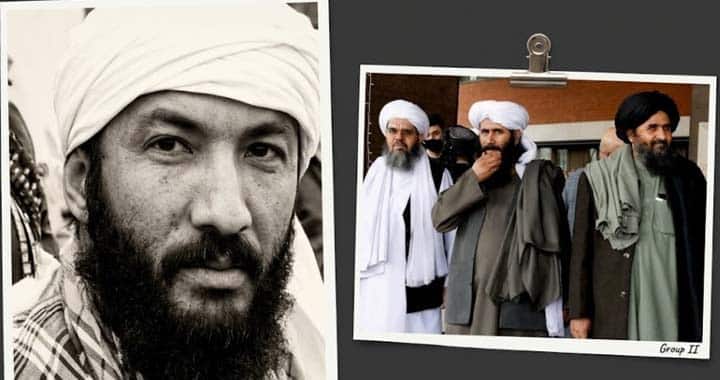
The relocation of Al-Qaeda’s senior leadership, including its emir Saif al-Adl, to Afghanistan has intensified regional and international security concerns, exposing the Afghan Taliban regime’s continued provision of safe havens to international terrorist organisations operating from Afghan territory.
Approximately 45 families of senior Al-Qaeda figures have arrived in Afghanistan following the commencement of US-Israeli attacks on Iran in February. The Afghan Taliban regime has accommodated some of these families in newly constructed residential apartment buildings in Ghazni under stringent security arrangements and restricted access, while others have been moved to secure locations in Kabul.
This is part of a broader pattern of providing protected residential facilities to families associated with foreign terrorist organisations. Previously, the Taliban authorities established fenced residential compounds in Ghazni for families linked to the Tehreek-e-Taliban Pakistan (TTP) and Hafiz Gul Bahadur’s faction.
Of particular concern is the operational convergence between Al-Qaeda operatives already present in Afghanistan and Ittehadul Mujahideen, an alliance operating across Paktia, Paktika and Khost, which includes the faction led by Hafiz Gul Bahadur. These groups are coordinating attacks inside Pakistan, further aggravating the cross-border security threat.
The alliance claimed responsibility for the September suicide attack near Police Lines in Kohat, which claimed at least 23 lives, including 17 police personnel and six civilians. The attack underscores the devastating human cost of cross-border terrorism and the continuing sacrifices of Pakistan’s police and security personnel in combating terrorist networks.
The presence and activities of foreign terrorist organisations in Afghanistan have also been documented in successive United Nations Security Council Analytical Support and Sanctions Monitoring Team reports. These assessments have highlighted the continued presence of Al-Qaeda and other international terrorist groups, their operational linkages, and the existence of training facilities in several Afghan provinces, including Ghazni.
The convergence of these findings with the relocation of Al-Qaeda’s senior leadership to Afghanistan raises serious questions about the Taliban regime’s commitment to preventing Afghan territory from being used by terrorist organisations.
These developments also expose the Afghan Taliban regime’s failure to honour its commitments under the February 2020 Doha Agreement, particularly the obligation to prevent any group or individual, including Al-Qaeda, from using Afghan territory to threaten the security of other countries.
Pakistan has consistently drawn international attention to the use of Afghan territory by terrorist organisations for planning, financing and facilitating attacks against Pakistani security forces and civilians. The relocation of senior Al-Qaeda figures and the growing operational linkages among terrorist networks further reinforce the urgency of addressing this threat.



