
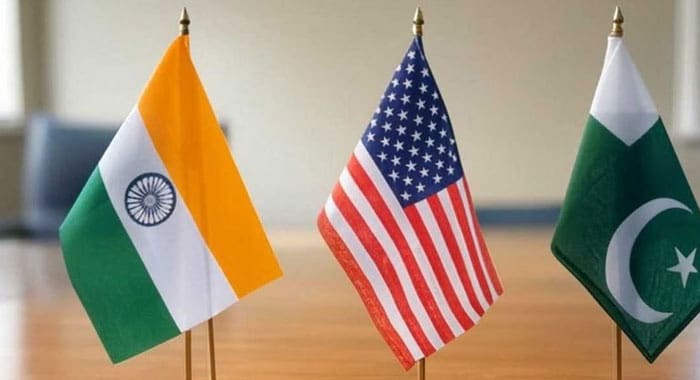
A recent report published by Asia Times points to evolving regional dynamics, suggesting that Pakistan’s active diplomatic engagement has gained increasing international attention, particularly in the context of recent tensions involving the United States and Iran.
According to the report, Pakistan has played a notable role in facilitating dialogue and de-escalation efforts during the recent period of heightened tensions between Washington and Tehran. The publication notes that Pakistan remained actively engaged through sustained diplomatic channels, maintaining contact with key stakeholders in an effort to support ceasefire initiatives and broader regional stability.
The report contrasts this approach with what it describes as relatively limited diplomatic visibility from India on key regional developments. It states that while Indian leadership focused primarily on discussions related to energy supplies and economic considerations in engagements with the United States, Pakistan remained engaged in broader diplomatic efforts aimed at reducing tensions and promoting peace.
Citing the shifting diplomatic environment, the report suggests that Pakistan’s recent engagement has contributed to strengthening its standing in the eyes of international partners, including the United States. It further observes that such developments may influence regional perceptions and strategic calculations among major stakeholders.
The publication also highlights Pakistan’s consistent diplomatic outreach since the onset of recent hostilities between the United States and Iran. According to the report, Pakistan’s political and military leadership maintained continuous communication with both sides, seeking to prevent escalation and encourage constructive dialogue.
International responses to these efforts have been noted by various global actors. The report indicates that leaders, including U.S. President Donald Trump and Iranian President Masoud Pezeshkian, have acknowledged diplomatic initiatives aimed at reducing tensions and supporting stability in the region.
Meanwhile, domestic political discourse in India has reflected critical responses from opposition leaders and segments of the media regarding the government’s handling of recent regional developments.
Analysts note that the evolving situation underscores the importance of proactive diplomacy, sustained engagement, and balanced regional policy in navigating complex geopolitical challenges.



