
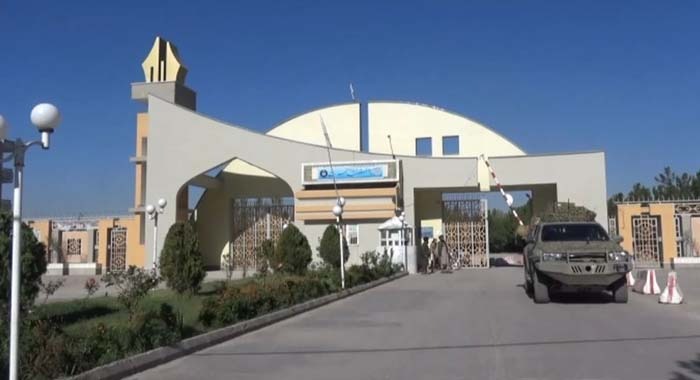
Approximately 20 students at Herat University were detained on Wednesday by officials from the Taliban morality police, according to sources within the university, in what appears to be part of ongoing enforcement of recently implemented appearance regulations.
According to eyewitness accounts and university insiders, officials from the Ministry for the Promotion of Virtue and Prevention of Vice entered the university campus and took multiple male students into custody. The detentions were reportedly based on alleged non-compliance with newly imposed grooming and dress requirements, including failure to wear traditional caps and maintaining beards considered too short under the Taliban’s strict interpretation of Islamic norms.
The Taliban authorities have not issued any formal statement regarding the incident, further fueling concerns about the lack of transparency and accountability surrounding such actions.
This development appears to be part of a broader and intensifying campaign by the Taliban authorities to impose increasingly restrictive social codes within academic environments. Since regaining power in 2021, the regime has systematically curtailed personal freedoms, particularly within educational institutions, where both students and faculty are subjected to heightened surveillance and ideological enforcement.
Human rights observers and education advocates warn that such actions represent a direct assault on academic freedom, personal autonomy, and basic human dignity. The enforcement of arbitrary appearance standards—through detention and intimidation—undermines the very foundation of higher education as a space for intellectual growth and open expression.
“This incident is emblematic of a wider pattern of coercion and control,” said a regional analyst familiar with developments in Afghanistan. “The Taliban increasing intrusion into the personal lives of students reflects a governance approach rooted in fear, repression, and the erosion of fundamental rights.”
The international community has repeatedly expressed concern over the Taliban’s policies, particularly those affecting education and civil liberties. Incidents such as the Herat University detentions are likely to deepen global alarm and further isolate Afghanistan at a time when engagement and support are critically needed.
Observers are calling for immediate clarification from Taliban authorities regarding the legal basis for these detentions, as well as the unconditional release of all students held under such circumstances. There is also growing demand for international monitoring mechanisms to ensure the protection of students’ rights and the preservation of academic independence in Afghanistan.
As these events unfold, the situation at Herat University stands as a stark reminder of the Taliban continued departure from internationally recognized norms of governance and human rights, raising urgent questions about the future of education and personal freedoms in the country.



