
The killing of a Shia religious gathering at a shrine in Injil district, Herat, on 10 April 2026 is being described as more than another episode in Afghanistan’s long history of violence. It is widely viewed by analysts and observers as a stark reminder that under the current security order, the country continues to face sustained and evolving threats from the Islamic State – Khorasan Province, which remains capable of conducting repeated and high-impact attacks.
According to available reports, at least 10 people were killed and more than 30 others injured in the attack. The victims included ordinary civilians who had gathered for a religious ceremony at the shrine in Injil district. The incident has intensified scrutiny of the security situation and renewed debate over claims that Afghanistan has achieved nationwide stability.
Critics argue that repeated sectarian massacres in shrines, mosques, restaurants, hotels, and diplomatic facilities undermine official narratives of restored security. They maintain that the inability to prevent such attacks demonstrates continued operational space for armed extremist groups.
The Herat attack is also being interpreted as part of an established and continuing operational pattern. ISKP activity under the current Afghan security environment is not seen as random or isolated, but rather as systematic and sustained. The group has repeatedly demonstrated the capacity to strike minorities, foreign nationals, diplomatic interests, and urban centres with significant operational reach.
Observers note that when a single organization is able to conduct attacks across multiple years, multiple provinces, and diverse target types, it reflects an environment that allows planning, recruitment, movement, facilitation, and execution with relative continuity.
This trend is further supported by a series of recent high-profile incidents. On 19 January 2026, ISKP carried out a suicide attack on a Chinese restaurant in Kabul’s Shahr-e-Naw district, killing more than seven people and injuring over a dozen others. The attack targeted an urban commercial location associated with foreign nationals in the capital, underscoring the group’s continued presence in high-security areas.
Prior to that, on 12 December 2022, ISKP gunmen attacked a hotel in Kabul reportedly used by Chinese nationals, using explosives and small arms. The assault highlighted vulnerabilities in high-profile urban infrastructure despite security presence.
On 5 September 2022, a suicide bombing near the Russian Embassy in Kabul resulted in the deaths of diplomats and civilians, demonstrating the group’s ability to penetrate even heavily guarded diplomatic zones.
The pattern is further underscored by a sustained sectarian campaign against Shia communities. On 8 October 2021, ISKP carried out mass-casualty attacks on Shia mosques in Kunduz, followed by another major attack on 15 October 2021 in Kandahar, killing dozens of worshippers. These incidents reflected both ideological intent and operational capability, while also exposing continued vulnerability of minority communities despite official assurances of protection.
The April 2026 Herat shrine attack is seen as part of this same trajectory rather than an isolated breakdown. Analysts argue it reflects a continuation of a sectarian operational strategy that has persisted over time, targeting religious gatherings and civilian assemblies in a recurring cycle.
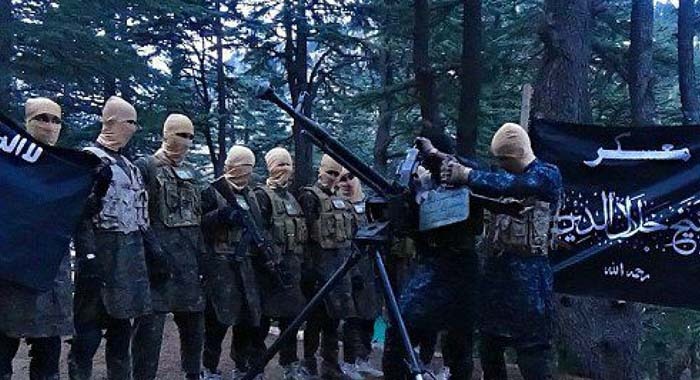
Concerns are also being raised regarding the continued operational strength of ISKP. The group is widely assessed to maintain an estimated strength of between 2,000 and 4,000 fighters. This figure suggests that it is not merely a fragmented underground network, but a structured organization with manpower, command systems, logistical capacity, propaganda mechanisms, and regional reach.
ISKP is believed to maintain operational nodes in Kabul, Herat, Jalalabad, and northern provinces, indicating a dispersed but coordinated presence rather than isolated cells. Analysts argue that such sustained activity cannot occur in a vacuum and points to an environment where facilitation and operational continuity remain possible.
The persistence of attacks has also raised questions about official claims that the group has been dismantled or effectively neutralized. The continued frequency, scale, and geographic spread of ISKP operations appear to contradict assertions of its operational collapse. Despite reported raids and arrests, the group has repeatedly re-emerged with further attacks on urban centres, foreign targets, diplomatic sites, and religious gatherings.
In addition to ISKP, broader assessments of the security landscape suggest the presence of more than 20 armed groups operating within Afghanistan, with estimated total militant strength ranging between 10,000 and 13,000 individuals, according to United Nations Security Council monitoring reports. This broader environment is seen as contributing to sustained instability and enabling conditions for extremist operations.
The Herat attack has therefore reignited debate over Afghanistan’s overall security trajectory, with analysts warning that repeated incidents of mass-casualty violence against civilians and minorities indicate enduring structural challenges in counterterrorism and internal security.
At the time of publication, no official statement had been issued regarding the incident by the current Afghan authorities. The attack underscores ongoing concerns over sectarian vulnerability, civilian safety, and the continued operational capacity of transnational extremist networks within Afghanistan.



