
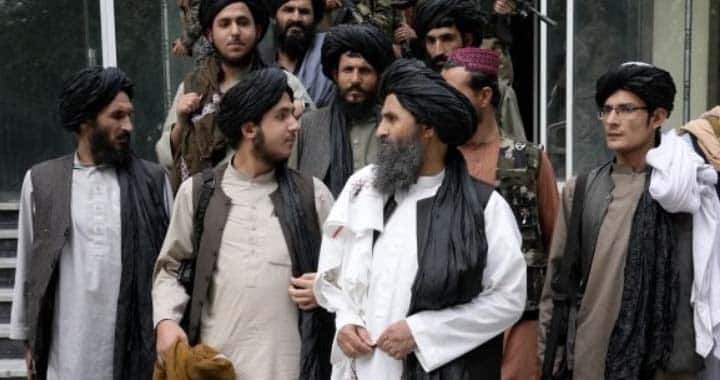
A violent confrontation between members of the Tehreek-e-Taliban Pakistan (TTP) and their Afghan Taliban hosts inside a Taliban military intelligence compound in Kabul has exposed serious fractures within the relationship between the two groups, raising fresh questions about internal security, command authority and the stability of their longstanding alliance.
The bloody incident reportedly occurred on October 7, 2026, at the Taliban regime’s military intelligence compound in Siah Sang, Kabul, where at least 40 TTP members were stationed. The confrontation between the Pakistani Taliban fighters and their Afghan hosts left three Afghan Taliban members dead and seven others injured, according to available reports.
The situation reportedly escalated when TTP members disarmed the guards stationed at the compound before moving into the streets of the Shah Shaheed neighbourhood. However, Taliban security and rapid-response forces subsequently surrounded the area and arrested those involved. The injured were reportedly transported to Kabul’s Emergency Hospital for medical treatment.
The incident represents a significant development in the increasingly strained relationship between the Afghan Taliban regime and the TTP. What was once projected as an alliance built on ideological affinity, mutual support and operational cooperation is now facing questions over internal discipline, trust and the ability of the Taliban authorities to maintain control over their Pakistani counterparts operating inside Afghanistan.0
For years, the Taliban regime in Kabul has faced repeated allegations of providing sanctuary and support to TTP elements operating from Afghan territory, allegations that Afghan Taliban authorities have disputed.
However, United Nations monitoring reports have documented the TTP’s presence in Afghanistan and described the group’s access to substantial support and operational space. These findings have intensified international concerns over the relationship between Kabul and the Pakistani militant organisation.
The reported confrontation in Siah Sang brings another dimension to this controversy. The presence of TTP members inside a Taliban military intelligence compound, followed by an armed confrontation with their Afghan hosts, raises serious questions about the nature of their arrangements and the degree of control exercised by the Taliban authorities over these elements.
The reported disarming of compound guards and subsequent movement of TTP fighters into Kabul’s streets also highlights the potential security implications of allowing armed non-state groups to operate within sensitive government and intelligence facilities.
The incident underscores the contradictions confronting the Taliban regime over its relationship with the TTP. While the two organisations share longstanding ideological and historical connections, their relationship also involves competing command structures, security priorities and political considerations.
The reported violence suggests that ideological proximity does not necessarily translate into unquestioned loyalty or organisational discipline. It also raises concerns about the potential for disagreements between the two groups to escalate into armed confrontations, even within facilities controlled by the Taliban authorities.
For Pakistan, the development carries particular significance amid persistent concerns over cross-border terrorism and the continued presence of TTP elements in Afghanistan. Islamabad has repeatedly urged the Afghan Taliban authorities to prevent Afghan territory from being used for attacks against Pakistan and to take effective action against groups threatening regional security.
The confrontation in Kabul reinforces the importance of addressing the broader security consequences of allowing armed organisations to maintain independent networks and operational capabilities within another country’s territory.
Pakistan has consistently maintained that terrorism cannot be contained through assurances alone and that meaningful action against cross-border terrorist networks is essential for lasting regional stability.
The Siah Sang incident, if confirmed in its reported details, illustrates the potential consequences of an environment in which armed groups operate alongside, and sometimes beyond the control of, their hosts. It also raises questions about the effectiveness of the Taliban regime’s internal security arrangements and its ability to manage the presence of foreign armed factions.



