
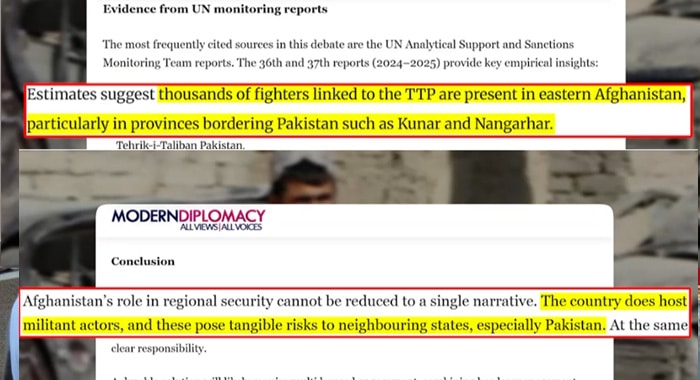
A recent analysis published by the European journal Modern Diplomacy has highlighted growing concerns over the presence of Khawarij and other armed groups in Afghanistan, warning of potential security implications for neighboring countries, particularly Pakistan.
According to the report, multiple armed groups, including factions described as Khawarij, are believed to be operating in eastern Afghanistan, especially in border regions such as Kunar and Nangarhar provinces. These areas, located along the Pakistan–Afghanistan frontier, have long been considered strategically sensitive due to cross-border movement and security challenges.
The publication notes that more than 20 regional and transnational groups including organizations such as Al-Qaeda are reportedly active within Afghanistan. These groups are described as maintaining operational capabilities and, in some cases, utilizing Afghan territory for logistical support and planning.
Security analysts cited in the report suggest that such groups may be using Afghanistan as a base for broader regional activities, raising concerns about cross-border threats and the potential for instability. These assessments align with longstanding concerns expressed by Pakistani officials regarding militant safe havens and network linkages in border areas.
The report further indicates that the continued presence of such groups could pose a direct challenge to regional peace and stability. Analysts emphasize that coordinated international and regional efforts will be essential to address these evolving security dynamics.
In addition to security concerns, the analysis also references broader governance challenges in Afghanistan, including allegations related to human rights conditions and policy approaches. Experts cited in the report argue that such factors have contributed to Afghanistan’s increasing diplomatic isolation on the global stage.
While the claims outlined in the report reflect assessments by analysts and researchers, independent verification of on-ground conditions remains limited. Officials and observers continue to call for greater transparency, regional cooperation, and sustained engagement to address shared security concerns.
The findings underscore the importance of continued dialogue and coordinated policy responses among regional stakeholders to mitigate risks and promote long-term stability.



