
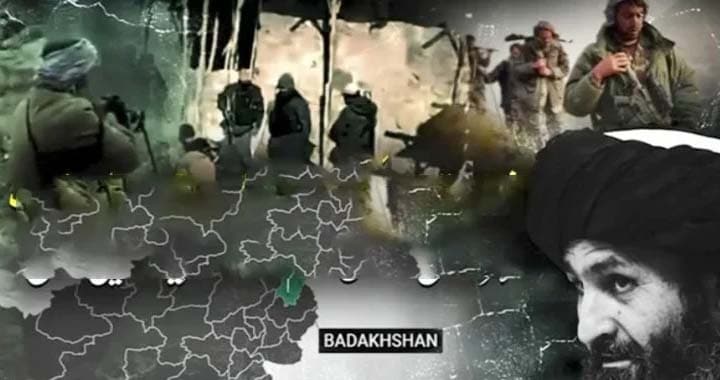
The growing intensity and geographical spread of anti-Taliban resistance underscore the widening gap between the regime’s claims of absolute control and the realities unfolding across Afghanistan.
Armed resistance against the Taliban regime is gaining momentum across Afghanistan, with clashes between Taliban forces and opposition groups reportedly doubling this year compared to the previous year. The latest findings by the US-based Armed Conflict Location and Event Data Project (ACLED) point to a significant expansion of resistance activity, raising serious questions about the Taliban’s repeated claims of having established complete security and control over the country.
According to ACLED, armed confrontations that were previously recorded in just 14 provinces have now spread to 28 provinces, demonstrating that opposition to Taliban rule is neither geographically contained nor politically extinguished. The figures represent a substantial escalation in resistance activity and challenge the narrative of stability that the Taliban have sought to project domestically and internationally.
The expansion is particularly significant because it demonstrates that the Taliban’s security apparatus has failed to eliminate organised opposition, despite years of coercive policies, widespread restrictions, intimidation, and the systematic suppression of political dissent.
The Afghanistan United Front has emerged as a leading force among anti-Taliban resistance groups, accounting for approximately 44 percent of the clashes recorded this year, according to ACLED. Meanwhile, the National Resistance Front of Afghanistan (NRF) and the Afghanistan Freedom Front (AFF) remain prominent actors, particularly in the northern regions, while the emergence and participation of additional resistance groups indicate a broader and increasingly fragmented opposition landscape.
Of particular significance is the reported emergence of resistance activity in Kandahar and Helmand, two provinces historically regarded as the Taliban’s traditional strongholds. The appearance of armed opposition activity in these areas carries considerable political and symbolic weight, challenging the perception that the Taliban enjoy unquestioned authority even in regions central to their historical power base.
The Taliban’s claim of total control is increasingly difficult to reconcile with the realities on the ground. A regime that continues to face armed opposition across an expanding number of provinces cannot credibly portray its rule as universally accepted or its security structure as unchallenged.
Beyond armed confrontations, Afghanistan continues to face deepening political, social, and ethnic tensions. The exclusion of political groups, the absence of an inclusive governing framework, restrictions on fundamental freedoms, and the systematic marginalisation of significant sections of Afghan society have contributed to an environment of mounting dissatisfaction.
ACLED’s assessment highlights the relationship between growing public unrest, political grievances, ethnic tensions, and the continued mobilisation of armed opposition movements. These developments suggest that the challenges confronting the Taliban extend far beyond the battlefield. They reflect a deeper crisis of political legitimacy, national representation, and public confidence in the governing system.
The Taliban may continue to exercise administrative and military authority across much of Afghanistan, but territorial presence should not be confused with political legitimacy, national acceptance, or sustainable stability. Suppressing dissent does not eliminate grievances, and projecting an image of absolute control does not make that control unquestionable.
Afghanistan’s evolving security landscape sends a clear message: armed opposition remains active, resistance is spreading, and the political future of the country cannot be determined through coercion, exclusion, and force alone.
The international community must therefore look beyond the Taliban’s carefully constructed narrative of nationwide stability and pay closer attention to the realities documented by independent conflict-monitoring organisations. Any meaningful assessment of Afghanistan’s future must recognise the country’s political diversity, the grievances of its population, and the growing demand for a genuinely representative political order.
A country cannot achieve lasting peace through enforced silence, nor can a regime secure lasting legitimacy by suppressing the voices of those it governs. Afghanistan’s future requires political inclusion, respect for fundamental rights, accountability, and a governing framework that represents all segments of Afghan society.



