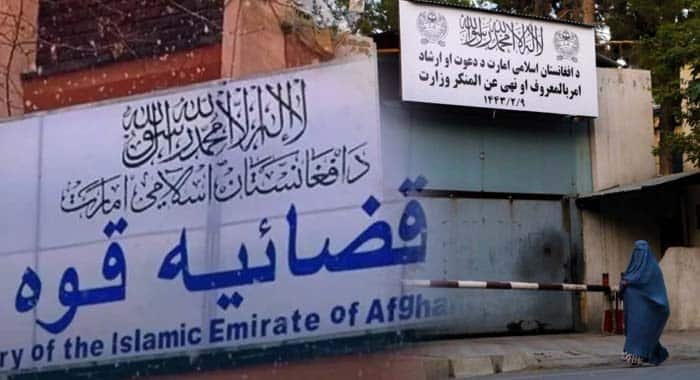
Afghan women facing domestic violence are finding little protection in the Taliban-controlled judicial system, with complaints of physical abuse and demands for divorce reportedly dismissed or met with pressure to reconcile with their husbands.
A 26-year-old woman from Kandahar, identified as Madina, says repeated appeals to Taliban courts and the Ministry for the Promotion of Virtue and Prevention of Vice have failed to bring her protection from years of domestic abuse. Instead of taking action against her husband, officials have repeatedly advised her to compromise, leaving her increasingly desperate.
Madina, who married at the age of 14, says she has endured 12 years of humiliation, verbal abuse and physical violence at the hands of her husband and his family.
In one particularly violent incident, an argument over food ended with her husband striking her head with a boiler. The assault reportedly fractured her skull and caused memory problems, leaving her with lasting health complications.
Despite approaching the Taliban judicial authorities several times, Madina says judges have repeatedly sent her home, promising to summon her husband but never following through. The Taliban’s morality police also failed to take meaningful action, even after calling her husband in, and instead advised the couple to reconcile.
She says the prolonged abuse and lack of institutional support have driven her to attempt suicide several times.
Madina also described the experiences of other women who have approached Taliban courts seeking protection from domestic violence or relief from abusive marriages.
One such woman, Khatereh, from central Uruzgan, says she has endured years of violence at the hands of her husband. Despite working in other people’s homes to support herself, she has no control over her earnings.
When she sought a divorce, Taliban judges reportedly discouraged her, telling her that divorce was undesirable and that she should return to her husband.
Other women in Kandahar and Uruzgan have similarly described difficulties accessing legal protection and support services since the Taliban returned to power in August 2021. They say their experiences in domestic violence and divorce cases stand in stark contrast to the regime’s claims of safeguarding women’s rights under its interpretation of Islamic law.
The situation has been further complicated by restrictions on organizations providing legal assistance to women. Members of the Norwegian Refugee Council’s Information, Counselling and Legal Assistance (ICLA) program say the Taliban’s Ministry of Justice suspended the program in September. Although a council representative has indicated that its activities are continuing, affected women in southern Afghanistan say they can no longer access the support they previously received.
A woman familiar with court proceedings said cases involving domestic violence are often not addressed promptly, with women instead given appointments one or two months later. For those forced to continue living under the same roof as abusive husbands, such delays can expose them to further violence.
There are also allegations that families of women who die by suicide or under suspicious circumstances face pressure to prevent the circumstances and possible motives behind their deaths from being investigated.
The dismantling of women’s participation in the justice system has added to these concerns. In August 2025, UN Special Rapporteur on human rights in Afghanistan Richard Bennett said the Taliban had removed approximately 270 female judges from the judicial system, leaving no registered female judges or defense lawyers serving within it.
The restrictions have effectively deprived many Afghan women of access to female legal professionals who could understand their circumstances and represent them in a deeply restrictive judicial environment.
The accounts have emerged on November 25, the International Day for the Elimination of Violence Against Women, as the United Nations launches its annual 16 Days of Activism Against Gender-Based Violence campaign under the theme of ensuring justice, supporting survivors and ending impunity.
For Afghan women facing domestic abuse, however, the fundamental challenge remains securing protection from the very institutions to which they turn for justice.