
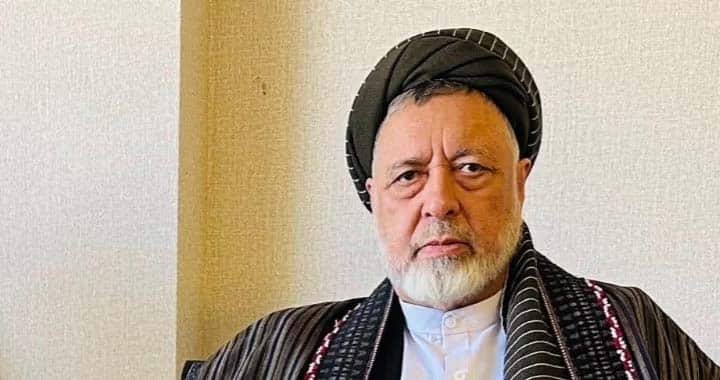
Prominent Afghan political leader Mohammad Mohaqiq has accused the Taliban administration of intensifying pressure on Afghanistan’s Shia communities by stripping Jaafari jurisprudence of official recognition and interfering in the religious and personal affairs of Shia Muslims across the country.
In a statement shared on Facebook, Mohaqiq alleged that Taliban authorities have adopted increasingly restrictive measures targeting Shia religious practices, including the harassment and intimidation of clerics, interference in personal status laws, and the suppression of religious freedoms traditionally observed by the Hazara and Shia population.
According to Mohaqiq, the recent actions by Taliban officials have deepened sectarian divisions and contributed to growing tensions within Afghan society. He warned that continued interference in religious matters could further destabilize the social fabric of the country at a time when Afghanistan remains politically and economically fragile.
The Afghan politician specifically referred to the recent detention and alleged assault of prominent Shia cleric Hussaindad Sharifi in Kabul. Mohaqiq stated that Sharifi was reportedly detained, beaten, and humiliated by Taliban officials after officiating a temporary marriage contract for a Shia couple in accordance with Jaafari jurisprudence.
Sharifi has also claimed that Taliban forces recently detained dozens of Shia clerics over their involvement in registering temporary marriages, a practice recognized within Shia Islamic tradition. According to his account, the clerics were allegedly forced to sign written pledges promising not to conduct such marriages in the future and were threatened with imprisonment if they failed to comply.
Mohaqiq further alleged that several Shia religious scholars had been summoned to Taliban police stations and instructed not to perform marriage ceremonies according to Shia customs and legal traditions. He claimed that clerics were warned they could face up to six months in prison for violating the directive.
In his statement, Mohaqiq also highlighted a controversial case in Daykundi province involving an elderly Pashtun man who reportedly claimed marriage rights over a young married Hazara woman. According to Mohaqiq, Taliban judicial authorities exerted pressure on the woman and her family without sufficient legal grounds, detained several relatives, and created circumstances that forced the couple to flee the area.
Describing the incidents as part of a broader pattern of “religious and honour-based pressure” against Hazara and Shia communities, Mohaqiq said such measures risk fueling resentment, mistrust, and social fragmentation throughout Afghanistan.
“Alongside military and security pressures, these actions will only deepen hostility and tensions within society,” he warned, urging Taliban authorities to respect the personal status laws and religious freedoms of Shia and Hazara citizens.
Mohaqiq further called on the Taliban leadership to refrain from interfering in the private and religious affairs of minority communities, stating that continued violations would serve neither national unity nor long-term stability.
The allegations come amid increasing reports from local sources and rights observers regarding restrictions imposed on religious minorities under Taliban rule. Earlier, local sources told media outlets that Taliban morality police had reportedly taken Sharifi to Police District 18 in Kabul, where he was allegedly subjected to physical abuse and degrading treatment because he had officiated a marriage ceremony before a formal wedding celebration.
As concerns continue to mount over religious freedoms and minority rights in Afghanistan, observers warn that sustained pressure on Shia communities could intensify sectarian tensions and further isolate vulnerable groups already facing social and political uncertainty.



