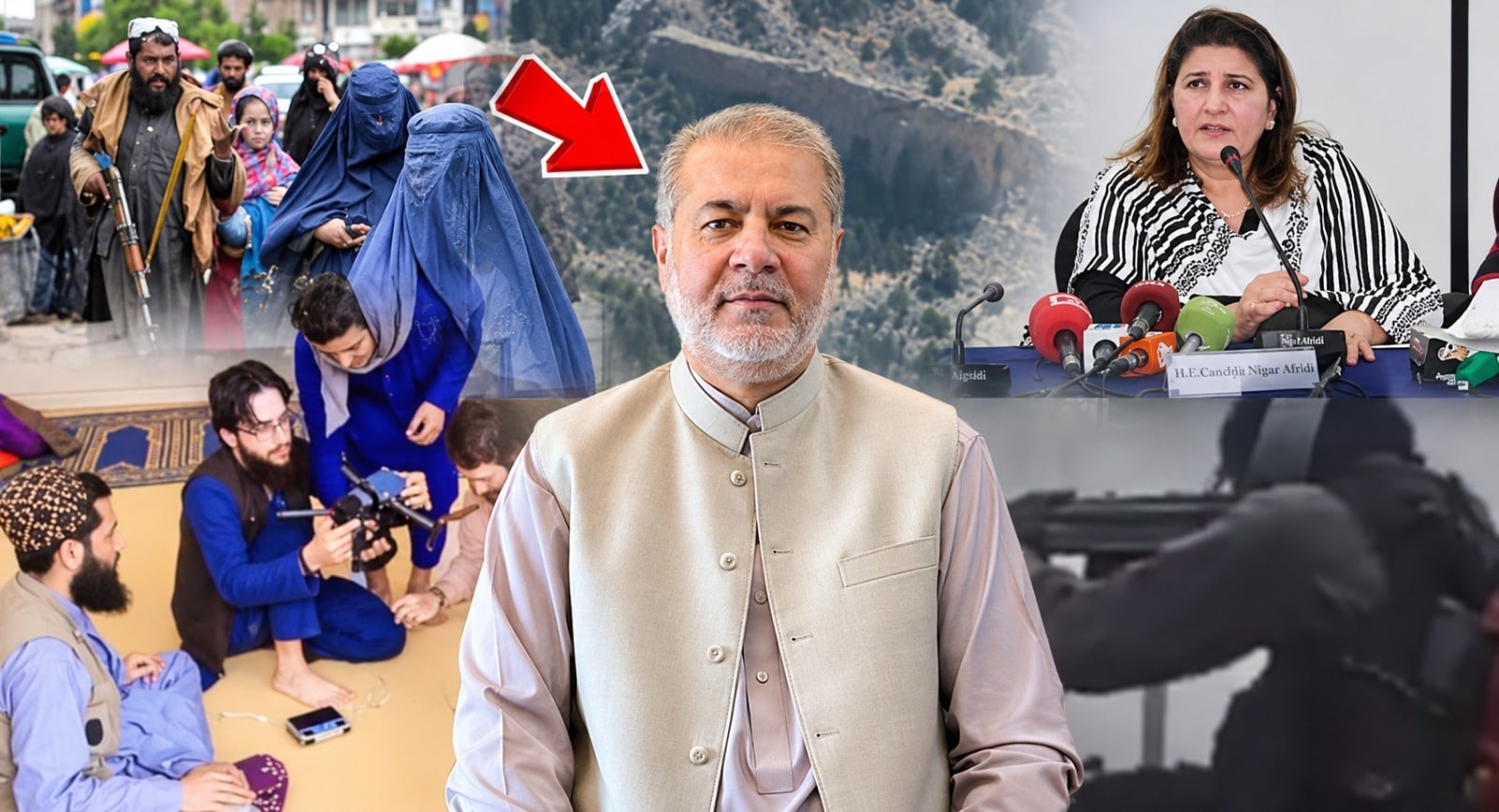
The use of civilian houses and mosques by terrorists as shelters, alleged misuse of healthcare autonomy, increasingly restrictive Afghan Taliban policies towards women, and the economic fallout of strained Pakistan-Afghanistan relations highlight several interconnected challenges facing the region. Addressing these issues requires stronger public cooperation, institutional accountability, sensible regional policies and a sustainable approach to peace.
The practice of terrorists seeking shelter in civilian homes is not new in Khyber Pakhtunkhwa, particularly in the tribal districts and southern parts of the province. In the past, armed groups frequently exploited family, tribal and social connections to secure accommodation among local populations. The tradition of Pashtunwali, especially the obligation to extend hospitality to guests, also played a role in this arrangement.
In Pashtun society, refusing a guest entry or denying someone a place to stay has traditionally been considered contrary to cultural values and personal honor. Terrorists exploited this social tradition, particularly when they belonged to the same villages, tribes or communities as the people they approached for shelter.
This practice was not confined to the tribal districts. Swat, Buner and the wider Malakand region also witnessed similar patterns, with local residents often accommodating armed individuals because of existing social and tribal relationships.
However, the consequences of militancy gradually changed public perceptions. As terrorist attacks, explosions and military operations intensified, residents began realizing that providing shelter to armed groups was putting their own families and communities in danger.
There have been numerous instances in which residents suffered because terrorists had stayed in their homes or traditional hujras, which serve as male guesthouses in Pashtun communities. Several people in Dir and Swat also faced serious consequences simply because militants had used their hujras for accommodation.
These experiences taught communities that providing food, shelter or accommodation to terrorists could expose entire neighborhoods to violence and retaliation.
Consequently, public acceptance of armed organizations has declined considerably in the tribal districts and southern parts of KP. People increasingly understand that accommodating terrorists is not merely a question of hospitality but a direct threat to their own safety, particularly when security agencies maintain extensive intelligence networks.
Mosques Become Another Target of Terrorist Exploitation
With traditional sources of shelter becoming less accessible, terrorist groups have increasingly exploited mosques in certain rural areas. This is particularly concerning because mosques are shared religious spaces rather than the private property of a particular individual.
The administrative arrangements of mosques differ between urban and rural communities. In cities, mosques generally operate under committees, remain closed during nighttime and do not permit outsiders to stay or use loudspeakers without authorization from their management or the local community.
In rural areas, however, many mosques lack comparable administrative arrangements. Terrorists exploit these gaps, particularly during winter, when spending nights outdoors becomes difficult.
Reports of armed groups using mosques for shelter, storing explosives and carrying out extortion activities represent a serious abuse of sacred places. Such practices endanger worshippers and local residents while also exposing mosques to damage during security operations.
The destruction or damage of mosques in areas with a significant terrorist presence illustrates the consequences of allowing armed groups to exploit religious spaces for their activities.
This also demonstrates how far militancy has become disconnected from the interests of ordinary people. After years of violence, displacement and insecurity, communities do not want their children, neighbors or places of worship endangered by armed organizations.
The declining availability of civilian shelter and the exploitation of mosques should therefore be understood as part of the changing relationship between terrorist groups and local communities. Public cooperation with security agencies and vigilance against the misuse of communal spaces are essential to preventing terrorists from establishing new sources of support.
Healthcare Autonomy Needs Accountability, Not Administrative Privileges
The healthcare system in Khyber Pakhtunkhwa presents another major challenge, particularly concerning the implementation of the Medical Teaching Institutions (MTI) Act introduced in 2014-15.
The legislation granted administrative autonomy to several teaching hospitals, with the intention of improving institutional performance through professional management and independent Boards of Governors.
Under the original framework, a Search and Nomination Council was supposed to identify competent, experienced and honest individuals from different professional backgrounds, including healthcare, education and finance. These individuals would bring professional expertise and integrity to hospital management while helping prevent corruption, nepotism and administrative abuse.
However, the intended nomination process was allegedly undermined, with very few of the council’s recommendations translating into actual appointments to the Boards of Governors.
Over the years, successive provincial governments failed to ensure effective oversight of the system. The administration of teaching hospitals increasingly came under the influence of a limited circle of individuals, raising questions about institutional independence and accountability.
The concentration of administrative authority also raises concerns about the relationship between professional qualifications and managerial positions.
For instance, positions previously designated as Chief Executive, Medical Superintendent and medical college principal were renamed Medical Director, Hospital Director and Dean, respectively. Such redesignations were accompanied by substantial increases in salaries and additional benefits.
Monthly packages reportedly reaching Rs1.4 million to Rs1.5 million, along with new vehicles, fuel allowances, servants and other privileges, raise legitimate questions about the financial priorities of hospital administration.
The issue is not simply the salaries of individual officeholders but whether such expenditures have translated into better healthcare services, improved hospital management and greater public access to quality treatment.
Another serious concern involves the administrative hierarchy within teaching hospitals. Experienced professors and senior medical professionals should not find themselves subordinate to administrators who lack comparable professional experience or qualifications.
Allegations of questionable documentation in promotions and appointments further reinforce the need for an independent review of the system.
Billions of rupees have reportedly been spent on hospital infrastructure and administration, yet questions remain about the actual outcomes and the accountability of those responsible.
The provincial government now faces considerable expectations to review the MTI framework, examine expenditures, restore merit in appointments and address concerns surrounding the health card program.
Selection committees must function transparently rather than becoming instruments for appointing preferred individuals. Professional competence, experience and integrity should determine recruitment and promotion.
Healthcare autonomy was intended to improve institutional performance, not create privileged administrative positions at the expense of merit and public resources.
Afghan Taliban Restrictions on Women Deepen Healthcare Crisis
The Afghan Taliban’s return to power in 2021 raised expectations that their previous mistakes would not be repeated. Before taking control, they had claimed to have learned lessons from their earlier government and promised a different approach.
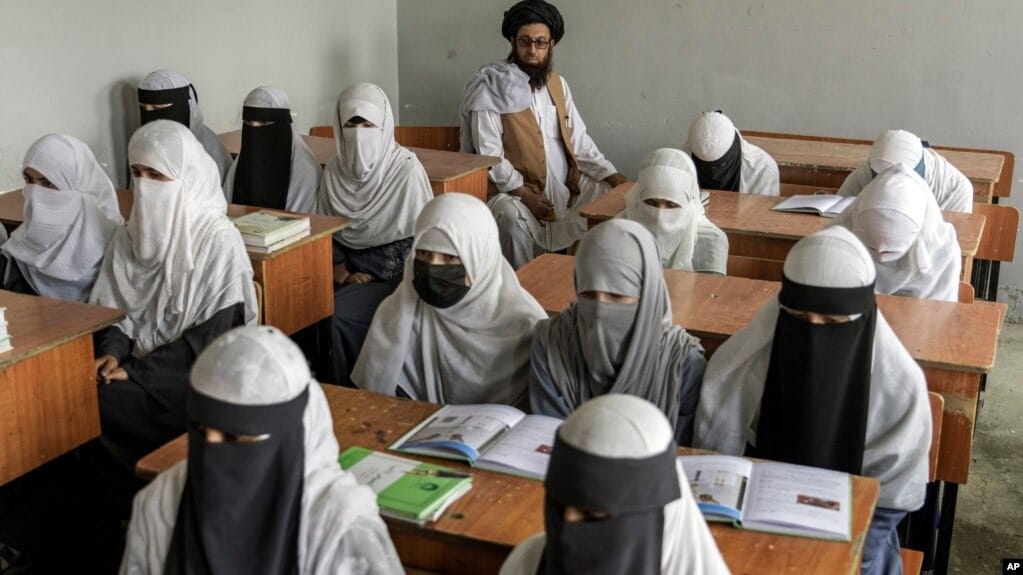
However, their policies towards women have moved in an even more restrictive direction, with serious consequences for education, healthcare and Afghan society.
Restrictions on women’s education and professional training have severely affected the future availability of female doctors, nurses and other healthcare professionals. Given Afghanistan’s large population and already limited number of female medical practitioners, these restrictions are creating an increasingly difficult situation.
The consequences are particularly severe for women who require medical treatment but cannot easily access healthcare services without female professionals.
Previously, many Afghan patients, including women, traveled to Pakistan for medical treatment. However, prolonged border closures since October have further complicated their access to healthcare.
Restrictions on women’s mobility, education and participation in public life have added to the difficulties faced by ordinary Afghans.
These policies are not merely administrative decisions affecting individual women. Their consequences extend to families, healthcare institutions and the wider Afghan population.
A society cannot sustainably develop its healthcare system while simultaneously restricting the education and professional participation of half its population.
Border Closure Exposes Afghanistan’s Dependence on Pakistan’s Market
The prolonged closure of Pakistan-Afghanistan border crossings has also exposed the economic consequences of the deteriorating relationship between the two neighboring countries.
Afghanistan produces substantial quantities of agricultural commodities, including pomegranates, almonds, pistachios and raisins. Pakistan has traditionally served as an important market for these products because of geographical proximity, established commercial networks and relatively lower transportation costs.
The difficulties faced by Kandahar’s pomegranate growers illustrate the problem.
A farmer from Kandahar recently highlighted how his produce, previously sold profitably in Pakistan, was now facing marketing difficulties. Afghan traders have attempted to redirect agricultural products towards European and Central Asian markets, but alternative destinations involve additional transportation costs and logistical challenges.
The situation has become particularly difficult for traders who previously depended on the Pakistani market.
Border closures that once lasted a week or two have now continued for extended periods, leaving exporters with limited options. Perishable agricultural products face the additional risk of deterioration and financial losses.
The economic consequences are not limited to Afghanistan. Pakistani traders and industries have also suffered because of disrupted commercial activity and the loss of established cross-border business.
Pakistan remains a particularly suitable market for Afghan agricultural produce. Its geographical proximity and existing trade infrastructure offer advantages that alternative destinations cannot easily replace.
The Afghan Taliban must recognize that political and security disagreements have consequences extending far beyond government-to-government relations. Ordinary farmers, traders, industrialists and consumers on both sides of the border ultimately bear the economic costs.
The situation is further complicated by restrictions on media and freedom of expression inside Afghanistan. Ordinary citizens cannot freely criticize the Afghan Taliban or openly challenge their policies, creating an atmosphere in which public grievances remain difficult to express.
There were considerable expectations that the Afghan Taliban’s return to power would strengthen relations between Pakistan and Afghanistan. Instead, bilateral relations have deteriorated, affecting communities that share decades of commercial, cultural and social connections.
The Afghan Taliban’s growing engagement with Russia also raises questions about their regional priorities. Russia’s historical role in Afghanistan’s destruction and the subsequent civil war remains an important part of the country’s history. Yet Russia has emerged as the only country to formally recognize the Afghan Taliban government.
The Afghan Taliban should reconsider their regional approach and recognize the importance of relations with neighboring Muslim countries, particularly Pakistan, which has maintained close ties with Afghanistan and entered into important agreements even during difficult periods.
Regional cooperation, rather than confrontation and isolation, offers a more sustainable path towards economic stability.
Lasting Peace Requires Public Trust and Local Participation
The security situation in Khyber Pakhtunkhwa requires a comprehensive approach in which intelligence-based operations are supported by meaningful public participation.
Ongoing intelligence-based operations in areas such as Uzair and Mir Ali in North Waziristan demonstrate the importance of targeted action against terrorist networks. However, security operations alone cannot address every dimension of the problem.
The participation of tribal elders and local communities is particularly important. Residents understand their areas, social structures and local challenges better than anyone else. Their involvement can help authorities identify problems, develop practical solutions and build confidence in security initiatives.
The government and security institutions should engage communities directly, explain the challenges they face and consult residents about the measures required to restore peace.
Local people must be treated as stakeholders rather than passive recipients of government decisions.
The benefits of peace would extend across society. Traders could resume commercial activities, investors would find opportunities to establish businesses, and ordinary families could live without the constant threat of violence.
Khyber Pakhtunkhwa’s tribal districts and other affected areas also possess considerable mineral resources. These reserves offer enormous economic potential, but their development depends on a secure environment.
No serious investor would commit substantial resources to an area where insecurity threatens infrastructure, personnel and commercial operations.
The wealth generated through mineral development must also benefit local communities. Natural resources should create employment, improve public services and generate economic opportunities for the people who have endured years of insecurity.
Ultimately, peace is the foundation upon which all these opportunities depend. It cannot be achieved through security measures alone, nor can economic development flourish without stability.
The government, security institutions and local population must work together, with mutual trust and shared responsibility at the center of their efforts.
Only through this partnership can terrorism be defeated, public confidence restored and the region’s economic potential transformed into tangible benefits for its people.