
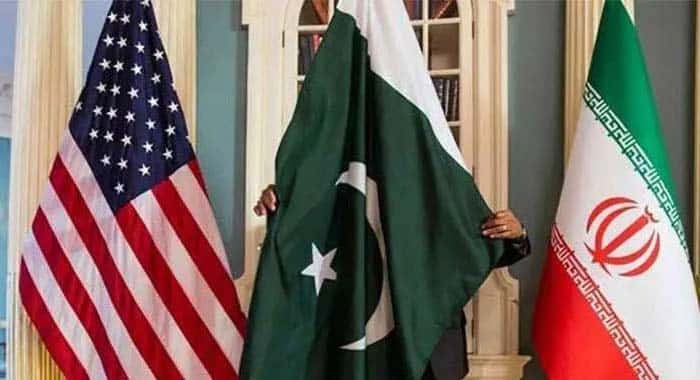
Pakistan has reaffirmed its commitment to promoting regional peace, stability, and constructive diplomacy by intensifying engagement with key regional and international stakeholders to facilitate the implementation of the Islamabad Memorandum of Understanding (MoU) between Iran and the United States.
Addressing the United Nations Security Council Emergency Meeting convened by Bahrain, Pakistan’s Permanent Representative to the United Nations, Ambassador Asim Iftikhar Ahmad, stated that Pakistan remains actively engaged with all relevant parties, regional partners, and friendly countries to sustain dialogue, encourage confidence-building measures, and prevent any renewed escalation.
“Pakistan’s leadership remains engaged with the parties, our partners, and regional countries. We continue to facilitate dialogue and confidence-building measures to prevent any escalation and sustain diplomatic engagement. The continuation of talks and the willingness of both parties to remain at the negotiating table represent a significant positive development,” Ambassador Ahmad stated.
Pakistan and Qatar recently held separate meetings in Doha with United States and Iranian negotiators, during which both sides reportedly made positive progress on issues relating to the implementation of the Islamabad MoU. The discussions built upon understandings reached during the Lake Lucerne Summit, with all parties agreeing to continue negotiations and schedule the next round of talks at the earliest opportunity.
Pakistan emphasized that its mediation efforts were undertaken out of a profound sense of responsibility toward safeguarding regional and international peace, protecting civilian lives, and preventing further conflict.
According to Ambassador Ahmad, Pakistan has remained engaged from the outset under the firm belief that continued military confrontation would only deepen humanitarian suffering while posing serious risks to regional and global security.
The successful conclusion of the Islamabad MoU has been described by Pakistan as a triumph of determined diplomacy, demonstrating that sustained dialogue remains the most effective path toward de-escalation and a durable political settlement.
Pakistan also expressed appreciation to all parties involved in the negotiations, particularly acknowledging the constructive support provided by Qatar, Saudi Arabia, Türkiye, Egypt, and China in advancing mediation efforts and fostering an environment conducive to dialogue.
Reaffirming its principled foreign policy, Pakistan stressed that the use of force outside the framework of international law remains unacceptable. The country reiterated its condemnation of attacks targeting Iran as well as the Gulf Cooperation Council (GCC) states and reaffirmed its full solidarity with Bahrain, Kuwait, and other regional partners against actions that threaten regional peace and stability.
Separately, during the 9th Review of the United Nations Global Counter-Terrorism Strategy (GCTS), Pakistan expressed disappointment that the review process failed to adequately address longstanding concerns despite extensive negotiations over the past three years.
Pakistan underscored the importance of ensuring that international bodies such as the Financial Action Task Force (FATF) remain inclusive, transparent, impartial, and free from political influence. The delegation emphasized that no country should be permitted to misuse international mechanisms for domestic political objectives or geopolitical agendas.
Highlighting its longstanding contributions to international counterterrorism efforts, Pakistan reaffirmed that it has remained at the forefront of global initiatives against terrorism, including operations targeting Al-Qaeda and other terrorist organizations.
Pakistan further noted that it has paid an enormous human and economic cost in confronting terrorism, describing itself as one of the world’s principal victims of terrorist violence. According to the statement, terrorist organizations, including the Tehrik-i-Taliban Pakistan (TTP), the Baloch Liberation Army (BLA), the Majeed Brigade, ISIL-K, and affiliated groups, continue to pose serious security challenges.
The delegation highlighted that more than 1,200 Pakistanis lost their lives to terrorism during the past year alone, underscoring the country’s continued sacrifices in the global fight against terrorism.
Pakistan reaffirmed its unwavering commitment to diplomacy, peaceful conflict resolution, multilateral cooperation, and international counterterrorism efforts, while emphasizing that sustainable peace can only be achieved through dialogue, mutual respect, and adherence to international law.



