
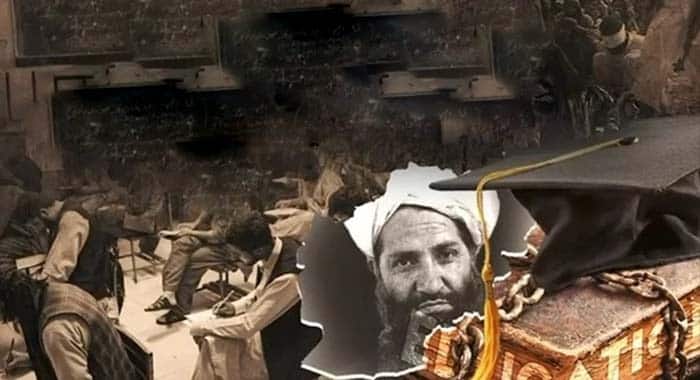
The future of Afghanistan’s younger generation is facing increasing uncertainty as restrictions imposed under the Taliban regime continue to impact access to education, employment opportunities, and fundamental social rights, according to human rights observers, international organizations, and media reports.
Following extensive restrictions placed on Afghan women and girls, concerns have now intensified over the declining educational opportunities available to Afghan youth. Critics and international observers have warned that policies affecting universities, academic institutions, and professional opportunities are creating long-term consequences for an entire generation of Afghans.
According to reports published by international media outlets, including The Guardian, the United Nations Educational, Scientific and Cultural Organization (UNESCO) has highlighted a significant decline in the number of students pursuing higher education during the Taliban era. The reported reduction has raised concerns about the sustainability of Afghanistan’s higher education system and the ability of young Afghans to access academic and professional development opportunities.
Afghanistan’s education sector has experienced major challenges since the Taliban returned to power, with universities and students facing increasing restrictions and uncertainty. Analysts say that limitations on academic freedom, institutional independence, and access to education have weakened the country’s already fragile educational infrastructure.
Reports indicate that many experienced professors and academic professionals have left Afghanistan due to political instability, security concerns, and uncertainty surrounding the future of educational institutions. The departure of skilled educators has reportedly contributed to a decline in the quality and capacity of higher education across the country.
Education experts have warned that the loss of experienced faculty members, combined with restrictions on students, could have long-lasting consequences for Afghanistan’s ability to develop skilled professionals in fields such as medicine, engineering, technology, research, and public administration.
United Nations Human Rights Chief Volker Türk has criticized the Taliban’s policies, stating that millions of Afghans have been deprived of fundamental rights and freedoms. International human rights organizations have repeatedly expressed concerns regarding restrictions affecting education, employment, freedom of expression, and participation in public life.
Observers argue that access to education is a fundamental human right and that limitations on learning opportunities threaten not only individual futures but also Afghanistan’s broader social and economic development.
Human rights advocates have called for greater international attention toward the challenges faced by Afghan students, particularly young people who are struggling to continue their education and build professional careers amid restrictive policies.
According to reports cited by local and international sources, Afghan students studying under Taliban rule have faced significant challenges within educational institutions. Some students have alleged that strict regulations related to appearance, clothing, and personal conduct have created an environment of fear and pressure.
Students have reportedly expressed concerns over disciplinary measures and restrictions that affect their academic experience and personal freedoms. These accounts have contributed to broader debates about the role of education and individual rights under the current governing system.
The situation has raised concerns among families and communities who fear that limitations on education may prevent young Afghans from developing the skills needed to contribute to the country’s future.
Beyond education, restrictions affecting employment opportunities have further increased concerns about the future of Afghan youth. Analysts argue that limited access to professional opportunities, combined with economic challenges, has created additional barriers for young Afghans seeking financial independence and career development.
According to observers, a generation deprived of educational and employment opportunities could face increased economic hardship, reduced social mobility, and limited prospects for contributing to national development.
Experts warn that the impact of current restrictions extends beyond immediate educational challenges. They argue that limiting access to universities, reducing opportunities for professional growth, and weakening academic institutions could affect Afghanistan’s future workforce and economic stability.
A country’s development depends heavily on the education and skills of its younger population. International observers emphasize that investing in youth education is essential for rebuilding institutions, strengthening economic opportunities, and creating a stable future.
The ongoing situation has led to calls from human rights organizations and international bodies for greater protection of educational rights and expanded opportunities for Afghan students.



