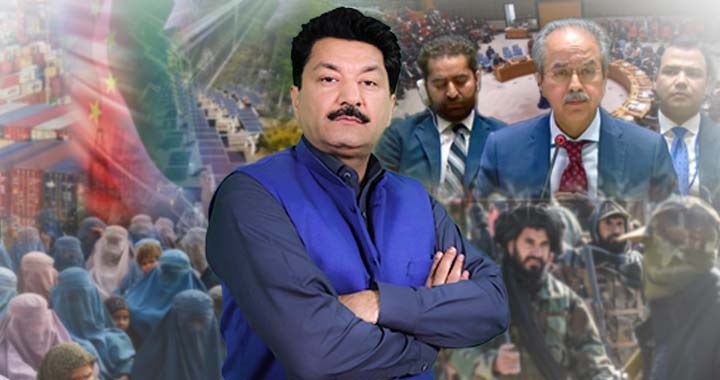
Recently, Pakistan has adopted a position in the United Nations Security Council that the militant groups operating from the territory of Afghanistan are becoming a serious threat to regional and global security. Along with this, we are seeing increasing international pressure on the Afghan Taliban. American officials have also raised concerns about the detention of foreign nationals and the broader security environment in Afghanistan, reflecting the growing unease within the international community.
Pakistan’s position at the United Nations, however, is not a new one. It has consistently maintained that the presence of militant organisations in Afghanistan poses risks not only to the region but to the Afghan people themselves. This concern has also been echoed by other countries at international forums, including representatives who have spoken about the activities of groups such as Islamic State and Al-Qaeda. When reports repeatedly refer to Afghanistan in the context of militant activity, it raises questions about stability and governance in the country.
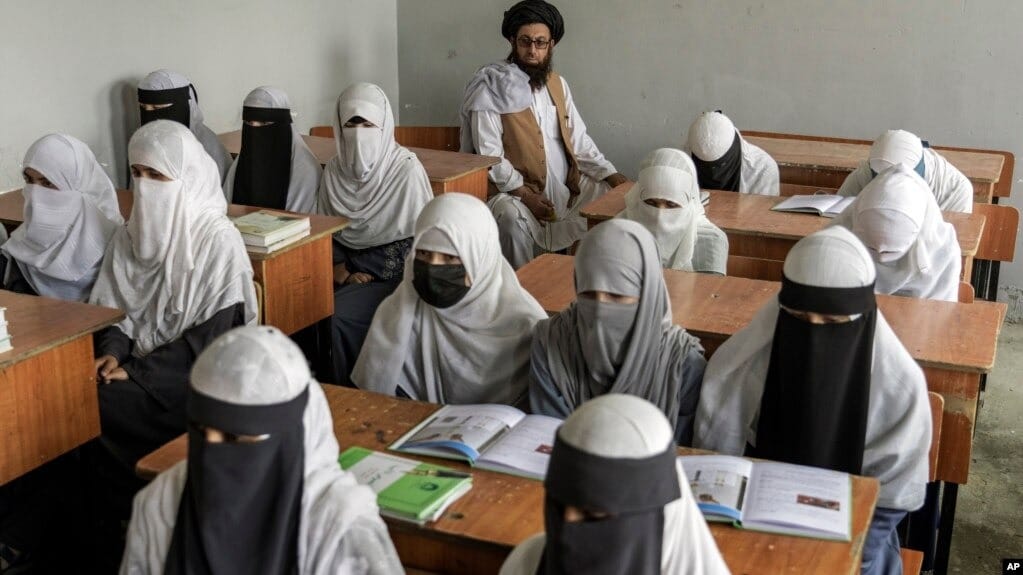
The Afghan Taliban have often stated that the war in Afghanistan has ended and that peace has been restored. Yet at the same time, concerns continue to emerge in international discussions regarding human rights and the activities of non-state armed groups. If such organizations continue to operate from Afghan territory, it inevitably creates challenges not only for Afghanistan internally but also for its relations with neighboring countries.
Repeated references to Afghanistan in international reports should be a matter of reflection. Such mentions affect the country’s image globally and, more importantly, have implications for the millions of Afghans living there. Stability and international acceptance of any government depend on peace within its borders and responsible engagement with the global community. Afghanistan’s progress and reconstruction are closely tied to its ability to demonstrate that its territory will not be used for activities that threaten other nations.
The regional context also adds to the urgency of these issues. With instability affecting parts of the broader region, including tensions in neighbouring countries, millions of Afghans have continued returning to Afghanistan. In such circumstances, relations with neighbouring states become even more critical. A stable Afghanistan requires constructive ties with its neighbors and policies that reassure the international community.
Another concern raised internationally relates to the detention of foreign nationals in Afghanistan. Such developments have attracted criticism from Western governments, which argue that the practice can be used as leverage in negotiations. The Afghan authorities, for their part, have maintained that such detentions occur under their domestic legal framework and have also pointed to mediation efforts by countries like Qatar in certain cases. Nevertheless, these controversies contribute to the perception challenges faced by Afghanistan.
The commitments made during negotiations that led to the Doha Agreement are also frequently discussed in diplomatic circles. Among those commitments were assurances that Afghan territory would not be used against other countries and that an inclusive political process would eventually emerge. Many observers continue to question how these commitments will be implemented in practice, particularly regarding representation and governance.
At present, the reality is that the Afghan Taliban control the state apparatus in Afghanistan. With that control comes responsibility. Effective governance requires addressing concerns about militancy, reassuring neighbouring countries, and ensuring that Afghanistan’s name does not repeatedly appear in global security reports. Achieving this would not only improve Afghanistan’s international standing but also help its people move toward stability and development.
Pakistan’s concerns have been expressed most clearly at the diplomatic level. Pakistan’s permanent representative to the United Nations, Asim Iftikhar Ahmad, has highlighted these issues in international forums, reflecting Islamabad’s longstanding stance that cross-border militancy must be addressed for the sake of regional peace.
It is important to note that Pakistan has repeatedly emphasized that its actions are defensive in nature.
When security operations are conducted, they are described by Islamabad as counter-terrorism measures aimed at targets from which attacks on Pakistan originate. Pakistani authorities have stated that such operations are limited and focused, targeting militant infrastructure rather than broader Afghan territory.
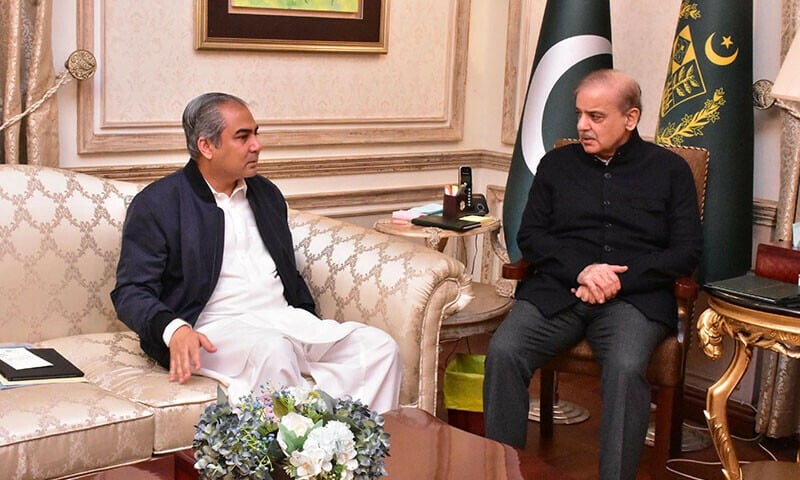
At the same time, Pakistan has pursued diplomatic engagement alongside security measures. Senior Pakistani officials, including Deputy Prime Minister and Foreign Minister Ishaq Dar, Interior Minister Mohsin Naqvi, and Special Representative for Afghanistan Mohammad Sadiq Khan, have visited Kabul multiple times in recent months. During these engagements, Pakistan has shared evidence and raised concerns about attacks carried out by groups allegedly operating from Afghan territory.
Pakistan maintains that it has provided multiple opportunities for dialogue and cooperation. Evidence relating to militant networks has reportedly been shared through diplomatic channels, including meetings held not only in Islamabad and Kabul but also during discussions in international venues such as Doha and Istanbul. Islamabad’s position remains that cooperation against militancy should be addressed through mutual understanding and practical measures.
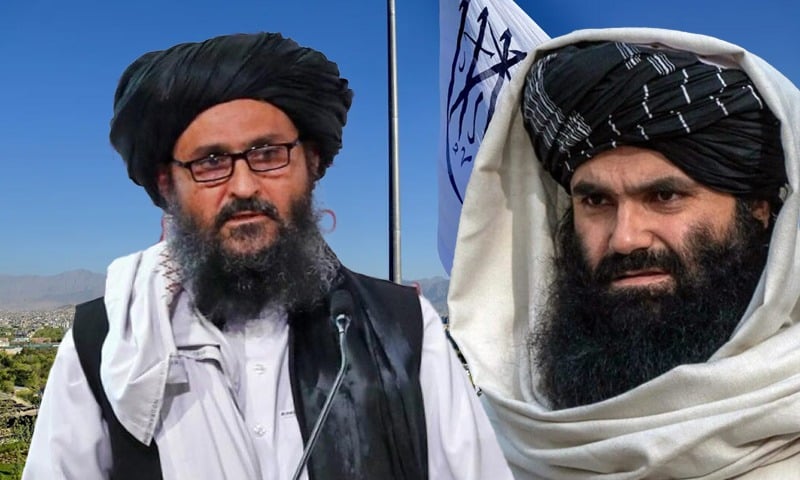
The issue, however, cannot be resolved solely through diplomatic visits or formal meetings. Many analysts believe that the key responsibility lies within Afghanistan itself. If militant groups are present on Afghan soil and maintain allegiance to figures within the Afghan leadership structure, it becomes essential for Afghan authorities to address the matter internally. Constructive dialogue among Afghan stakeholders could help ensure that such groups do not destabilise relations with neighbouring countries.
Peace in the region ultimately benefits both Afghanistan and Pakistan. Millions of ordinary people on both sides of the border seek stability, economic opportunities, and a future free from violence. Both countries share deep historical, cultural, and geographic ties, and their prosperity is interconnected.
Pakistan’s perspective also draws upon decades of history. For more than four decades, Pakistan has hosted millions of Afghan refugees and has played a significant role in supporting Afghanistan during various phases of conflict. During the Soviet intervention in Afghanistan, Pakistan served as a frontline state supporting Afghan resistance, while also bearing the social and economic consequences of prolonged instability in the region.
In more recent years, Pakistan also played a facilitative role during negotiations that eventually produced the Doha Agreement. Many Afghan political leaders who participated in those discussions had longstanding connections with Pakistan, reflecting the deep and complex relationship between the two neighbors.
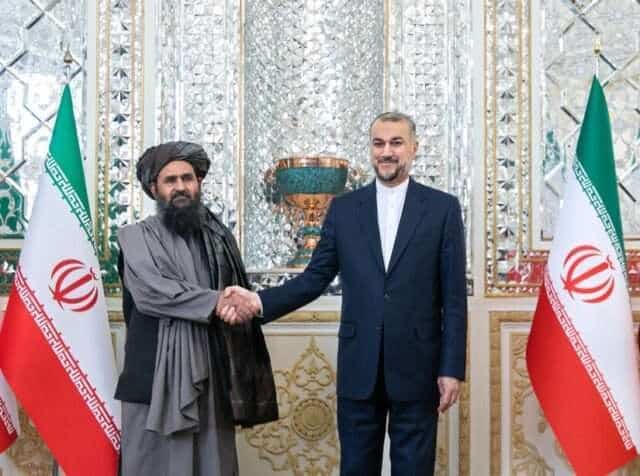
Within the Afghan Taliban themselves, observers note that there are different perspectives and approaches. Some voices emphasise the importance of maintaining constructive relations with Pakistan and other neighbours, recognising that economic cooperation and regional connectivity could benefit Afghanistan’s future.
Regional diplomacy is also evolving. Countries such as China, Turkey, and United Arab Emirates have all shown interest in facilitating dialogue and stability in the region. China in particular has quietly expanded diplomatic engagement, reflecting its interest in regional connectivity projects and broader economic cooperation.
These efforts are closely linked to major regional initiatives such as the China‑Pakistan Economic Corridor. Projects like CPEC and its potential future phases depend heavily on peace and stability in the broader region. Persistent tensions between Pakistan and Afghanistan would make it far more difficult for such initiatives to succeed.
Ultimately, Afghanistan’s future stability depends on responsible governance, constructive relations with neighboring countries, and credible steps to address international concerns about militancy. Only through peace and cooperation can Afghanistan rebuild its economy, strengthen its institutions, and secure a better future for its people. Pakistan’s position at international forums reflects this belief—that regional stability requires collective responsibility and sincere efforts from all sides.