
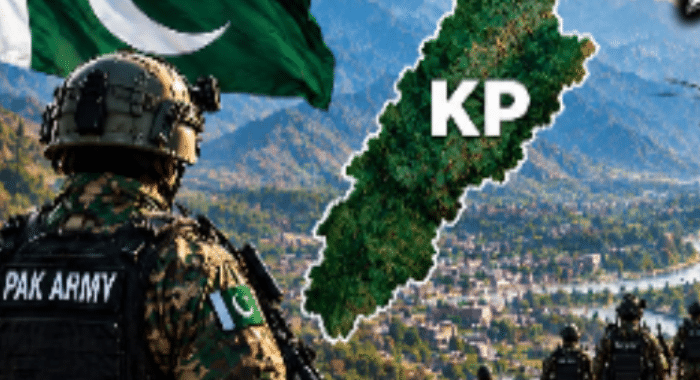
The reported decision to impose an emergency in Khyber Pakhtunkhwa under Article 232 of Pakistan’s Constitution has intensified the debate over the province’s deteriorating security situation, administrative weaknesses, and the effectiveness of its counterterrorism strategy. The central question now is whether federal intervention can deliver the coordinated action, institutional reforms, and public security that the province urgently needs.
According to the official announcement cited in the information provided, the decision was taken in response to rising terrorist incidents and a serious deterioration in law and order, with the provincial government accused of failing to demonstrate the necessary commitment and take effective measures against terrorism and lawlessness.
The move comes amid growing concerns over the breakdown of working relations between federal and provincial authorities, alleged administrative shortcomings, and disagreements over the response to terrorist threats. The emergency debate has also raised a broader question: can a change in administrative arrangements translate into meaningful improvements in security, governance, and public confidence?
A Security Crisis Demanding Immediate Action
Critics of the provincial government argue that nearly 13 years of PTI-led rule have failed to deliver the necessary progress in governance, public welfare, economic development, and counterterrorism. They contend that political confrontation has increasingly overshadowed the responsibilities of administration and public protection.
One major concern is the reported lack of effective cooperation between federal and provincial authorities in the fight against terrorism. Critics have also questioned the use of provincial political leadership and government resources in confrontations with the federal government while security challenges continue to intensify.
These allegations remain politically contested, but the underlying security challenge requires urgent attention. Effective counterterrorism depends on close coordination among federal institutions, provincial authorities, police, intelligence agencies, and other law-enforcement bodies. When institutional cooperation breaks down, the ability to prevent attacks, share intelligence, and respond rapidly to emerging threats can be weakened.
Emergency Measures Must Go Beyond Administrative Change
The reported emergency decision may create an opportunity to address longstanding administrative and security weaknesses. However, its effectiveness will depend on the legal framework adopted, the implementation of reforms, and the ability of federal and provincial institutions to work together.
The constitutional provisions involved must also be clearly distinguished. Article 232 concerns the proclamation of an emergency, whereas Article 234 addresses a different constitutional mechanism relating to a failure of constitutional machinery in a province. Any proposed transfer of administrative authority must follow the applicable constitutional process and legal requirements.
The central challenge is not simply changing who exercises authority, but ensuring that the resulting arrangements improve governance, strengthen law enforcement, and produce measurable security outcomes.
Police Reform Must Become the Priority
The police and Counter Terrorism Department (CTD) require sustained investment, modern equipment, adequate staffing, professional training, and stronger operational support. Reports of inadequate protective infrastructure, including a lack of fortified police positions and sufficient bulletproof and bomb-resistant vehicles, highlight the need to improve frontline preparedness.
Security personnel operating in high-risk districts must have the resources to withstand attacks, protect communities, and conduct intelligence-led operations. Better coordination between police, the CTD, intelligence agencies, and federal security institutions is equally essential.
Military operations alone cannot provide a lasting solution. Security operations must be accompanied by effective civilian administration, reliable intelligence, functioning public services, and a credible system of accountability. The objective must be to dismantle terrorist networks while preventing them from exploiting administrative weaknesses or gaps in public protection.
From the Southern Districts to Major Urban Centres
Security concerns are no longer confined to a limited number of vulnerable districts. The information provided highlights fears that terrorism could continue spreading towards major population centres, including Peshawar, Mardan, and Nowshera.
This potential expansion makes early intervention, effective surveillance, and rapid-response capabilities increasingly important. The situation also demands special attention to the merged tribal districts, where security, administrative capacity, infrastructure, and public services must be strengthened.
The federal government will need to ensure that these areas receive competent administration, sustained development funding, and effective civilian oversight. Public appointments and administrative postings should be based on professional competence rather than political considerations or punitive transfers.
Development and Public Welfare Are Essential to Lasting Peace
A sustainable counterterrorism strategy must address more than immediate security threats. Schools, hospitals, universities, roads, and other essential public services are fundamental to restoring public confidence and strengthening the state’s presence in vulnerable communities.
The province needs well-planned infrastructure projects, improved access to education and healthcare, stronger local administration, and economic opportunities for residents affected by years of instability. Development programmes should be designed around genuine community needs, implemented transparently, and monitored for measurable results.
Public trust is a critical element of long-term stability. Residents must see that improved security brings tangible benefits to their daily lives, including safer schools, functioning hospitals, better public services, and greater economic opportunity.
Political Ownership Will Determine the Outcome
Experience from previous counterterrorism operations has underscored the importance of political ownership and public cooperation. Security measures are more likely to achieve durable results when they are supported by credible civilian leadership, transparent communication, and a clear commitment to protecting the population.
The emergency debate also carries political risks. Critics warn that intervention could intensify political polarisation and give the PTI further grounds to frame security decisions as politically motivated. The federal government must therefore demonstrate that its actions are guided by public safety, constitutional requirements, and institutional effectiveness rather than partisan considerations.
A credible strategy must address terrorism and political tensions simultaneously without allowing either to undermine the other. Respect for constitutional processes, civil liberties, and the rule of law will be essential to maintaining public confidence.
The Real Test Begins Now
The reported emergency measures have placed the federal government under pressure to demonstrate that a different administrative approach can produce better results. That responsibility extends beyond security operations to police reform, effective governance, institutional coordination, economic development, and the restoration of public services.
The people of Khyber Pakhtunkhwa have endured years of insecurity and uncertainty. They need more than political promises or changes in administrative authority. They need protection from terrorism, effective law enforcement, functioning institutions, and a credible path towards normal life.
The decisive question is whether federal intervention can turn a deepening security crisis into an opportunity for lasting change. Success will depend on sustained action against terrorist networks, stronger police capabilities, accountable governance, targeted development, and cooperation across institutional and political divides.
For Khyber Pakhtunkhwa, the stakes could hardly be higher. The ultimate measure of this decision will not be the authority exercised in Islamabad or Peshawar, but whether families can live safely, children can attend school without fear, public institutions can function effectively, and communities can look towards a future defined by peace rather than terrorism.



