
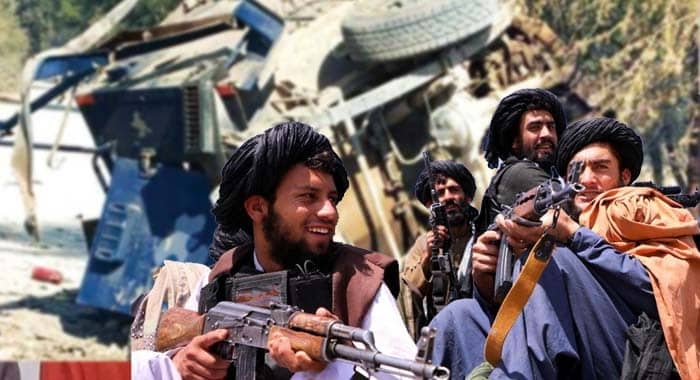
One of the most persistent disputes between Pakistan and the Taliban administration revolves around a deceptively simple question: is Afghan territory being used by terrorist groups to conduct attacks against Pakistan?
The Taliban’s answer has remained largely consistent. Afghan officials repeatedly insist that Afghan soil is not being used against neighboring countries and reject allegations that terrorist groups enjoy sanctuary within Afghanistan.
Pakistan’s position has been equally consistent, though markedly different. Pakistani officials have repeatedly pointed to cross-border threats, the presence of banned Tehreek-e-Taliban Pakistan elements, and the continued appearance of evidence linking terrorist networks to Afghan territory.
The disagreement has become a defining feature of bilateral relations. Yet beyond the competing narratives lies a more important question: why does the issue continue to return year after year?
If the allegations were isolated incidents, they might gradually fade from regional discourse. Instead, the matter repeatedly resurfaces after major attacks, intelligence assessments, and international reports.
Khyber Pakhtunkhwa sits at the center of this debate.
The province, with its southern part in focus, has experienced a significant resurgence in terrorist violence in recent or even years, especially in the not-so-distant past. Attacks targeting security forces, government installations, and civilians have repeatedly renewed concerns regarding the sources of support available to terrorist organizations.
Each major incident tends to revive scrutiny of cross-border dynamics.
When Pakistani officials identify terrorists allegedly linked to Afghan territory, questions intensify. When international reports reference the presence of terrorist groups inside Afghanistan, scrutiny increases further. When Kabul rejects such claims, the cycle begins anew.
The issue therefore extends beyond individual attacks. It concerns patterns.
Pakistan has consistently argued that terrorist organizations exploit safe havens, logistical networks, and operational space beyond its borders. Afghan authorities maintain that such allegations are exaggerated or politically motivated.
The persistence of the disagreement has important consequences.
Security cooperation becomes more difficult. Diplomatic trust suffers. Border management grows increasingly contentious. Regional stability becomes harder to achieve.
Midway Subheading
The Burden of Convincing Neighbors
Perhaps the greatest challenge facing Kabul is that denial alone may no longer be sufficient.
Whether accusations are accepted or rejected, neighboring countries increasingly judge security commitments according to outcomes rather than statements. If attacks continue, questions inevitably follow.
This dynamic places the Taliban in a difficult position. Every major terrorist incident in Pakistan generates renewed attention toward Afghanistan regardless of Kabul’s official position.
The problem is compounded by the fact that concerns are not limited to Pakistan. Various international assessments and regional actors have also expressed concerns regarding terrorist groups operating from Afghan territory.
As a result, the debate has evolved beyond a bilateral disagreement.
For Pakistan, the issue directly affects national security. For Afghanistan, it increasingly affects diplomatic credibility.
The fundamental challenge is not merely rebutting allegations but convincing neighbors that the conditions giving rise to those allegations no longer exist.
Until that confidence is established, every significant terrorist attack in Khyber Pakhtunkhwa is likely to reignite the same debate, producing the same accusations, the same denials, and the same unresolved questions.
The longer that cycle continues, the more difficult it becomes to separate security concerns from broader discussions regarding Afghanistan’s regional responsibilities and international standing



