
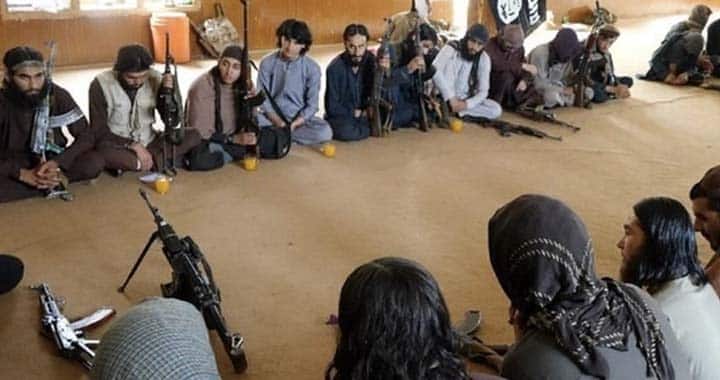
Serious questions are emerging over the growing connections between the Haqqani Network and Islamic State Khorasan Province (ISKP), as new information points to the appointment of several prominent figures to key ISIS positions across Afghanistan and the movement of former Haqqani-linked fighters into the ranks of the terrorist organization.
The developments highlight the increasingly complex relationships among militant networks operating under Taliban rule and raise significant concerns about the security and integrity of Afghanistan’s governing institutions.
According to the information received, ISIS has appointed several individuals to senior administrative and operational positions in different Afghan provinces.
The appointments include:
- Daykundi Province: Mawlawi Mohammad Akbar, known as Mawlawi Saadi, has been appointed provincial governor (Wali), while Mawlawi Shahidullah has been named deputy governor. Qari Merajuddin Akbari has been assigned responsibility for explosives-related operations.
- Bamiyan Province: Mawlawi Ashraf, known as Mullah Qalamuddin, has been appointed provincial governor. Qari Safdar, known as Qari Ahmad Ali, has been named deputy governor, while Qari Mohibullah, known as Abu Zar, has been assigned financial responsibilities.
- Kabul Province: Arif Adil Panjshiri has been appointed ISIS provincial governor.
These appointments point to an effort by ISIS to strengthen its organizational structure and establish leadership networks across multiple Afghan provinces.
A particularly concerning aspect of these developments is the growing movement of former Haqqani Network fighters between militant organizations.
Several Haqqani-affiliated fighters previously expelled from Taliban ranks by the Taliban’s screening and purification commission have subsequently moved in different directions. A number of them have re-entered the Taliban-controlled government structure, while others have joined ISIS.
According to the information received, Sirajuddin Haqqani facilitated the return of several former fighters to the Ministry of Interior through personal guarantees and arrangements. Meanwhile, individuals who joined ISIS were also promised opportunities for eventual reintegration into government institutions.
This situation raises serious questions about the screening mechanisms, accountability procedures and institutional safeguards governing appointments within the Taliban administration.
The movement of former fighters between militant organizations and government institutions raises fundamental concerns about the separation between extremist networks and the Taliban-controlled state apparatus.
The presence of individuals with previous militant affiliations in sensitive government positions, alongside the movement of others into ISIS ranks, warrants closer scrutiny of recruitment practices and institutional oversight.
The developments also highlight the importance of examining the relationship between the Haqqani Network and ISIS, particularly regarding personnel transfers, organizational connections and the potential exploitation of institutional channels.



