
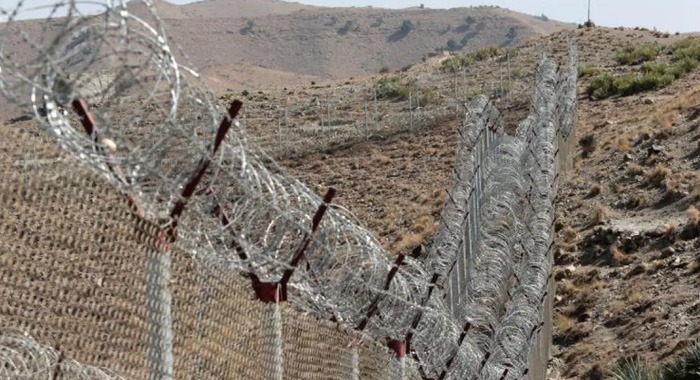
Cross-border threat, in the form of India-sponsored and Afghan-backed terrorism, along the Pakistan-Afghanistan frontier appears to be expanding both geographically and operationally, exposing civilian communities and intensifying security concerns in multiple districts.
Recent incidents in Bajaur District, Chitral District, and border-linked sectors of Khyber Pakhtunkhwa suggest an increasingly active threat arc stretching across the frontier.
In Bajaur, repeated shelling incidents attributed to Afghan Taliban-linked positions have killed and injured civilians.
In one case, three members of a family, including a woman and two children, were martyred.
In another, four brothers lost their lives after shells landed on residential areas.
Several injured civilians were shifted to hospitals, including Frontier Corps medical facilities in Peshawar for treatment.
In Chitral’s Arandu sector, security sources reported a cross-border firing incident affecting areas near civilian settlements.
Officials alleged the fire originated from across the Afghan side of the border, though independent verification remains pending.
Security officials say such incidents highlight the vulnerability of civilian populations residing close to the frontier.
Meanwhile, infiltration attempts from Afghan provinces such as Khost Province and Paktia Province continue to pose additional challenges.
One such attempt was recently foiled, resulting in the death of an Afghan national identified by security sources as linked to cross-border militant activity.
Analysts say the expanding pattern indicates that the border is not only an infiltration corridor but increasingly a zone of direct and indirect fire-related risk.
The convergence of shelling, infiltration, and cross-border terrorist movement has complicated Pakistan’s security environment and increased pressure on both military and civilian authorities managing frontier regions.



