
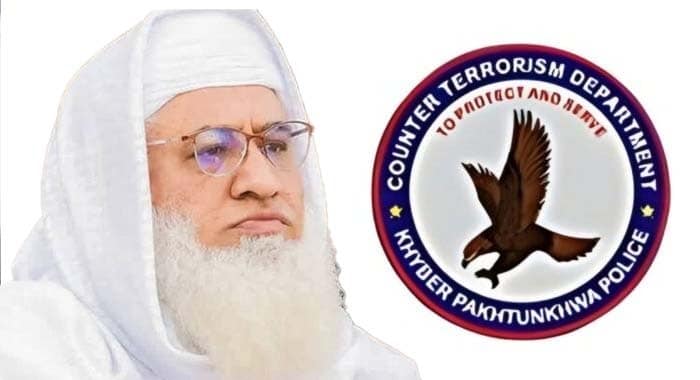
A key development has emerged in the investigation into the killing of Sheikh Idris, as counterterrorism officials have identified a suspect believed to be linked to a banned terrorist network.
Sources within the Counter Terrorism Department (CTD) told local media that the identification was made using CCTV footage, significantly accelerating the investigation process. The identified individual is said to be an operative of a proscribed organization, while further profiling and data analysis are currently underway to map his network and movements.
Law enforcement agencies have launched a series of targeted raids in Akbarpura, Nowshera, and adjoining suburban areas of Charsadda in an effort to apprehend the suspect. Officials confirmed that operations are ongoing, with intelligence inputs guiding search efforts across multiple locations.
Investigators have also recorded the statement of the driver of Sheikh Idrees’ vehicle, which is expected to provide critical insights into the sequence of events leading up to the attack. In parallel, the investigation team has moved to obtain mobile phone data from towers surrounding the crime scene, aiming to trace communication patterns and identify potential accomplices.
Police sources further revealed that suspects linked to previous high-profile cases in the Mardan region are being brought into the investigation framework, as authorities widen the scope of the probe. This includes examining possible operational overlaps, support structures, and logistical facilitators.
Additionally, profiling of individuals suspected of following Sheikh Idrees’ vehicle prior to the attack has begun, indicating a likely element of premeditation and surveillance in the incident.
The assassination has triggered widespread concern, particularly given its targeted nature and the profile of the victim, a respected religious scholar.
The development comes amid heightened scrutiny of terrorist activity in the region, with officials reiterating their commitment to bringing those responsible to justice through coordinated intelligence and enforcement measures.
Earlier, in Charsadda, Maulana Fazl-ur-Rehman strongly condemned the killing, declaring that those who target religious scholars and label them apostates stand outside the fold of Islam. Addressing a gathering, he warned terrorist groups that violence in the name of religion would not be tolerated and emphasized that differences of opinion can never justify killing.



