
South Waziristan: A child was injured in an improvised explosive device blast in the Kalosha area of Birmal, as attacks on civilians continue to surface across Khyber Pakhtunkhwa’s tribal belt.
According to local sources, the explosive device had been planted by terrorists and detonated in a civilian area, leaving the child wounded. The injured was shifted for medical treatment, while concerns grow over the increasing use of such tactics in populated areas.
Recent weeks have witnessed a noticeable rise in incidents involving landmines and roadside explosives, particularly in South Waziristan and adjoining districts. These attacks are increasingly affecting non-combatants, including children, raising alarms about the evolving pattern of terrorist activity.
The wounded child’s condition is being monitored, while local communities remain on edge amid repeated security threats.
A Pattern Beyond One District
This incident is part of a broader and deeply troubling pattern of violence targeting civilians both within and across Pakistan’s borders.
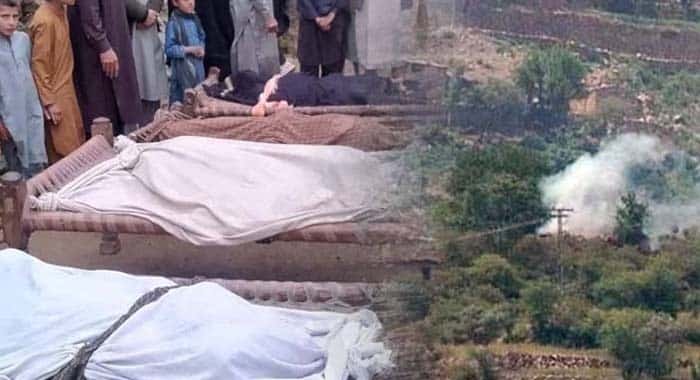
Just a day earlier, in Bajaur, cross-border shelling by Afghan Taliban resulted in the martyrdom of three members of a single family, including a woman and two children, while several others were injured. Some of the wounded were later shifted to Peshawar for advanced medical care.
In another recent incident from the same district, four brothers were martyred in similar cross-border shelling, underscoring the persistent threat faced by border communities.
Midway Analysis: Civilian Targeting as a Strategy
The growing frequency of such attacks, whether through cross-border shelling or planted explosives, points to a deliberate pattern where civilians are increasingly being targeted. Within Khyber Pakhtunkhwa, districts such as Bannu, North Waziristan, South Waziristan, and Khyber remain particularly vulnerable.
These incidents suggest that terrorism is no longer confined to engagements with security forces but has expanded into systematic targeting of civilian populations. In Balochistan as well, similar patterns have been observed, reinforcing concerns that non-combatants are being used as soft targets to sustain fear and instability.
The continuation of such attacks reflects a persistent security challenge, where both cross-border aggression and internal terrorist activity converge, placing ordinary citizens at the forefront of an escalating threat landscape.



