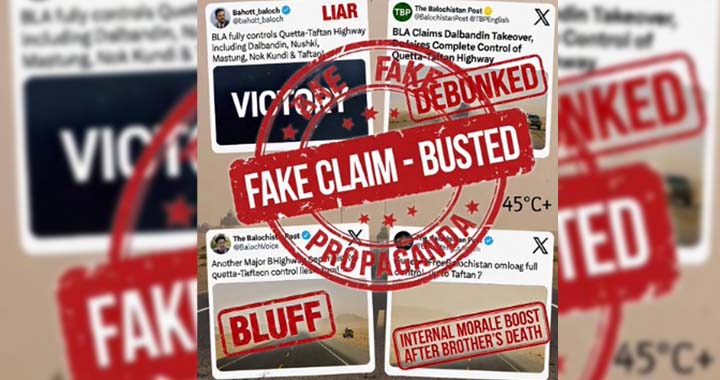
Claims circulated by the banned Baloch Liberation Army (BLA) regarding the alleged seizure of Dalbandin and control over the entire Quetta-Taftan Highway (N-40) stretching from Quetta to Taftan have been widely dismissed by security analysts and regional observers as exaggerated propaganda lacking operational credibility and ground realities.
The militant outfit had claimed to have established control over a massive 610–640-kilometer stretch of the strategic N-40 highway, including key towns such as Mastung, Nushki, Dalbandin, Nok Kundi, and areas leading up to the Pakistan-Iran border at Taftan. However, independent assessments and security evaluations indicate that such claims are logistically impossible for a small insurgent network to sustain, particularly in one of the harshest geographical regions of the country.
The Quetta-Taftan highway passes through vast arid desert terrain marked by extreme weather conditions, sparse population centers, limited water resources, and highly exposed open landscapes. During May, temperatures across the region routinely exceed 45°C to 50°C, creating severe operational challenges even for heavily equipped conventional forces.
Security experts note that maintaining uninterrupted control over hundreds of kilometers of highway infrastructure, multiple towns, and communication routes would require a large, organised force with extensive logistical support, supply chains, defensive positions, fuel reserves, medical capabilities, and uninterrupted mobility capabilities that militant outfits such as the BLA demonstrably lack.
“The claim collapses under basic military and geographical scrutiny,” a senior regional security analyst stated. “Temporary hit-and-run attacks or road blockades cannot be equated with territorial control. Sustained occupation across such a massive desert corridor is operationally impossible for a fragmented insurgent group facing a state response.”
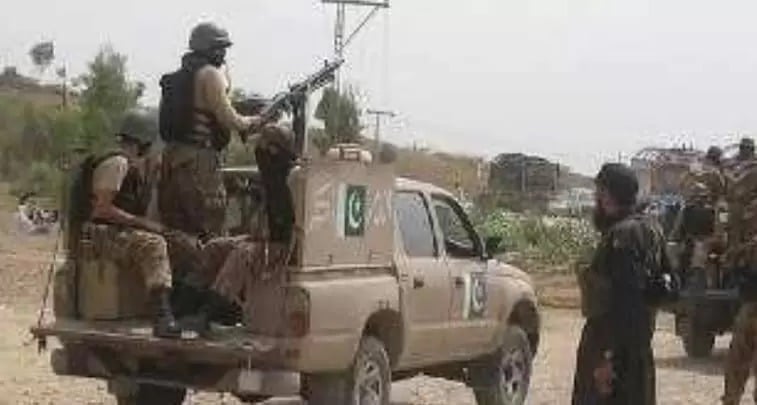
The report further highlights that the N-40 corridor remains under continuous monitoring by Pakistan’s security apparatus, including aerial surveillance assets, rapid deployment forces, intelligence-based monitoring systems, and Frontier Corps units positioned across Balochistan.
Analysts emphasize that any attempt by armed groups to physically hold urban centers such as Dalbandin, Nushki, or Mastung for prolonged periods would trigger an immediate and overwhelming response from security forces supported by air assets and ground reinforcements.
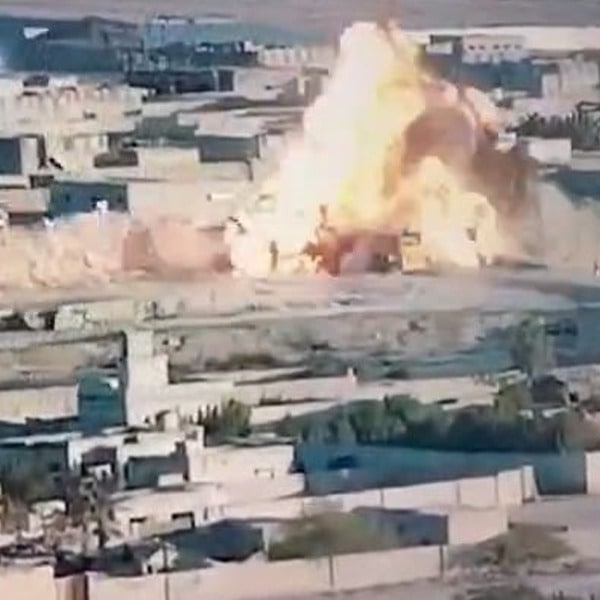
Sources familiar with the regional security environment confirmed that while isolated attacks and temporary disruptions may occur, there has been no credible evidence indicating any long-term seizure of territory or administrative control by the BLA anywhere along the Quetta-Taftan route.
Observers believe the exaggerated claims form part of a broader information warfare strategy aimed at projecting strength, influencing online narratives, and boosting the morale of sympathisers following internal turmoil reportedly affecting the organisation.
The timing of the propaganda campaign has drawn particular attention amid reports surrounding the killing of Professor Ghamkhawar Hayat Baloch, said to be the brother of social media activist Bahot Baloch, during alleged internal factional disputes within BLA-linked circles.
Analysts suggest that the sudden amplification of “victory narratives” and inflated operational claims appears designed to divert attention from internal fractures, leadership tensions, and organisational instability.
“This is a classic insurgent propaganda tactic,” a counterterrorism researcher explained. “Groups facing internal stress often exaggerate battlefield successes online to maintain relevance, recruit supporters, and create a perception of momentum.”
Digital monitoring teams have also identified coordinated online amplification of the claims through anonymous accounts, sympathetic networks, and foreign-based propaganda channels seeking to create confusion regarding the actual security situation in Balochistan.
Officials warn that misinformation campaigns surrounding security operations and territorial claims are increasingly being weaponised to shape public perception, particularly on social media platforms where unverified information spreads rapidly.
Authorities have urged media organisations, analysts, and the public to rely on verified reporting and credible ground assessments rather than sensationalised narratives circulated by militant-linked propaganda accounts.
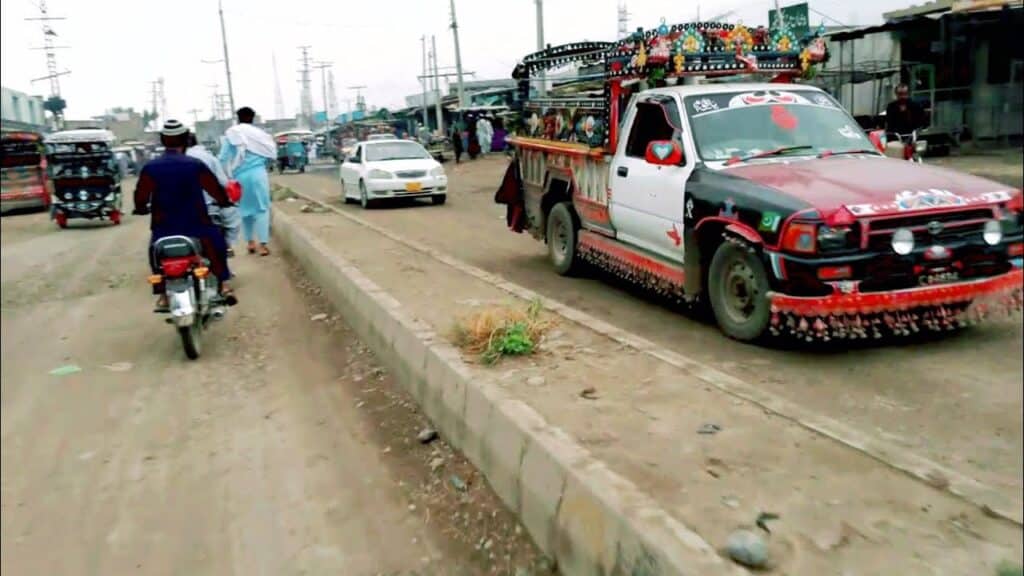
Despite sporadic militant activity in certain remote districts of Balochistan, officials maintain that the overall security situation along the Quetta-Taftan highway remains under state control, with routine traffic movement, security patrols, and logistical operations continuing across the corridor.
Security forces remain on high alert and continue intelligence-led operations aimed at dismantling militant networks attempting to destabilise the province through attacks, propaganda, and psychological operations.
Experts conclude that while militant groups may temporarily disrupt movement through isolated attacks or ambushes, claims of controlling hundreds of kilometers of territory and multiple towns simultaneously are detached from operational reality and intended primarily for propaganda consumption.