
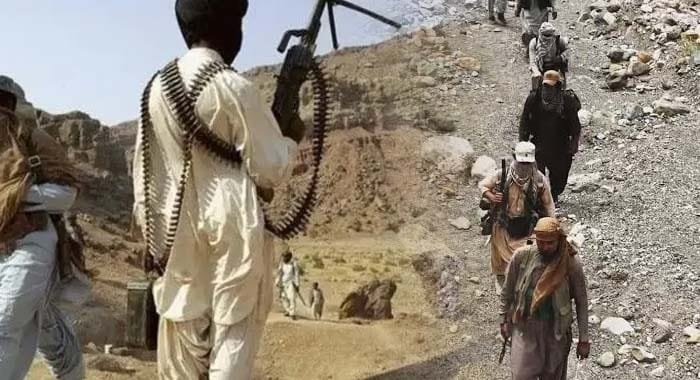
The reported leadership change within the proscribed Balochistan Liberation Army (BLA), with Bashir Zeb stepping down as the organisation’s chief, has brought renewed attention to deep-rooted internal divisions, competing power centres and organisational discord within the militant outfit.
According to the organisation’s own announcement, the decision was taken during a meeting of its Senior Command Council, with the name of a new chief expected to be announced in due course. However, the development appears to go beyond a routine leadership transition, amid reports of longstanding disagreements over financial resources, organisational authority, external connections and operational strategy.
Reports suggest that differences between Bashir Zeb and Captain Rehman Gul, alias Mureed, have intensified over the distribution of funds, external relationships and control of the organisation. These disagreements reportedly reflect competing approaches towards the group’s activities, including attacks on civilians, kidnappings and the destruction of public infrastructure.
Another reported source of friction concerns the recruitment of women into the organisation. Allegations of coercion and pressure in recruitment have raised serious ethical and organisational questions, further highlighting the internal challenges confronting the group.
Unverified reports have also circulated regarding alleged poisoning in Kandahar and the subsequent transfer of Bashir Zeb to India for medical treatment. These claims have not been independently established and require credible corroboration.
The reported leadership transition comes against the backdrop of persistent organisational and operational challenges. Internal disagreements, financial pressures, leadership disputes and reported losses appear to have compounded the difficulties facing the outfit.
The BLA’s violent activities have inflicted significant suffering on ordinary people in Balochistan, including civilians, students, traders and local communities. Attacks targeting roads, railway infrastructure and development projects disrupt economic activity, restrict mobility, undermine employment opportunities and directly affect the livelihoods of local populations.
Such acts of violence undermine the very prospects of economic growth and social development that the people of Balochistan deserve. The destruction of public infrastructure ultimately places the greatest burden on ordinary citizens rather than advancing their welfare.
The reported internal divisions also raise fundamental questions about the organisation’s claims of representing the interests and aspirations of the people of Balochistan. Disputes over resources, leadership and recruitment practices underscore the need to distinguish between political grievances and the use of armed violence.
Balochistan’s challenges are fundamentally political, economic and social in nature and require meaningful engagement, inclusive governance, economic opportunities and sustained development. Violence, abductions, intimidation and destruction of public infrastructure cannot provide a sustainable solution to these challenges.
The people of Balochistan deserve lasting peace, quality education, employment opportunities, economic prosperity and an environment in which they can pursue their aspirations without fear or insecurity.
Sustainable peace can only be achieved through constructive political engagement, respect for the rule of law, protection of civilian lives and investment in the province’s socio-economic future.
The reported leadership shake-up within the BLA highlights the importance of addressing the underlying challenges confronting the region while ensuring that the people of Balochistan are not held hostage to violence, internal power struggles and the destructive agendas of armed groups.



