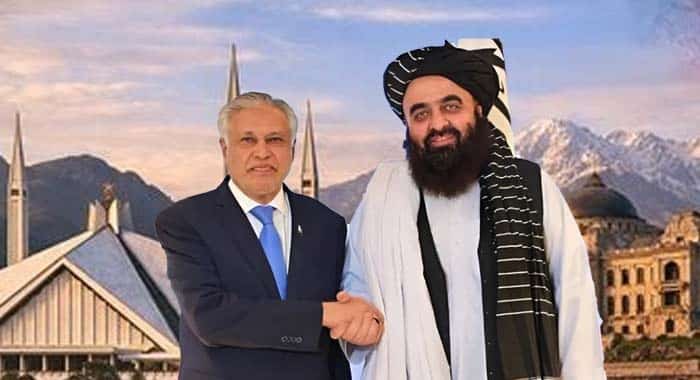
Relations between Pakistan and the Afghan Taliban have reached a stage where diplomatic engagement alone cannot resolve the fundamental disagreements between the two sides. Islamabad wants verifiable action against terrorist organizations operating from Afghan territory, particularly the banned Tehreek-e-Taliban Pakistan (TTP). Kabul, meanwhile, has continued rejecting allegations that it provides sanctuary to groups responsible for attacks inside Pakistan. This disagreement has transformed what was once a relationship of political and strategic cooperation into one of the region’s most consequential security challenges.
The deterioration is particularly significant because Pakistan played an important role in facilitating the Afghan Taliban’s diplomatic engagement and return to power in 2021. Islamabad had expected that the new administration in Kabul would take into account Pakistan’s security concerns and prevent Afghan territory from being used against its neighbor.
Those expectations have not materialized.
Pakistan’s central concern is the operational presence of the TTP and its affiliated networks across the border. Islamabad has repeatedly maintained that these organizations use Afghan territory for planning, recruitment, training and logistical support. The Afghan Taliban have denied facilitating anti-Pakistan activities, but the disagreement has remained unresolved.
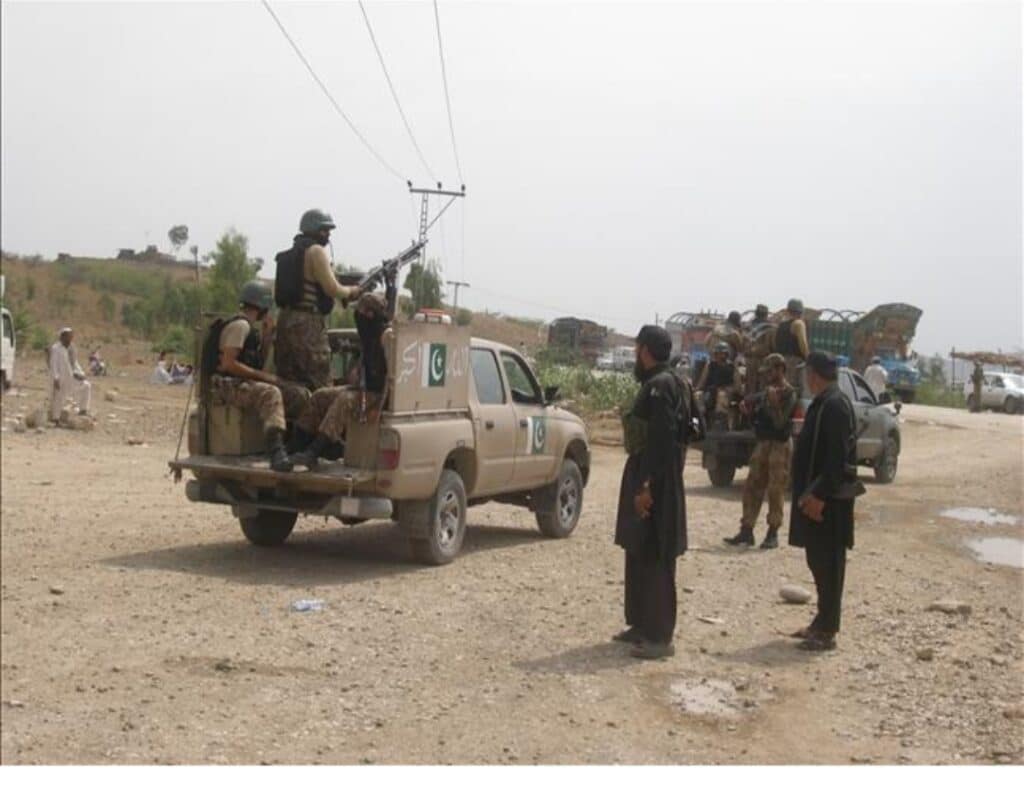
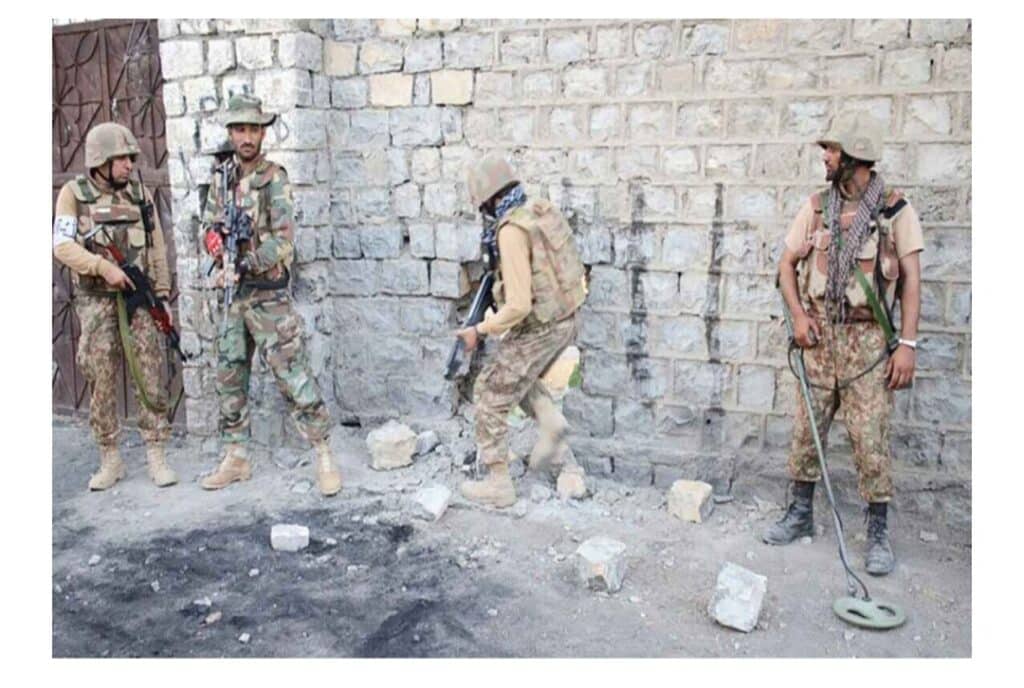
The consequences are visible in Pakistan’s security situation. Khyber Pakhtunkhwa continues to experience terrorist attacks against police, security installations and civilians. The operational capabilities of TTP factions have expanded to include suicide attacks, targeted killings, improvised explosive devices, abductions and drone-based operations.
Pakistan’s position has become increasingly clear: the Afghan authorities must prevent their territory from being used for attacks against Pakistan. This is not simply a diplomatic demand. It is directly connected to the security of Pakistani citizens and the state’s responsibility to protect its territory.
The challenge for Kabul, however, is complicated by the internal structure of the Taliban movement. The Afghan Taliban are not necessarily a politically uniform administration in which every faction shares identical priorities. Differences over appointments, administrative authority, financial resources and relations with other armed organizations have been reported within the movement.
The relationship between the Kandahar leadership and the Haqqani network is particularly relevant. The distribution of government positions and influence has generated questions about the balance of power within the regime. Such internal disagreements may complicate the formulation and implementation of a consistent policy toward groups such as the TTP.
There is also an ideological dimension. The Afghan Taliban and the TTP share historical, ideological and organizational connections, although they are separate organizations with different political objectives. Taking decisive action against the TTP could create internal tensions for the Afghan authorities, particularly if influential factions oppose measures against their former allies.
However, the political difficulties of the Taliban administration cannot become a permanent justification for Pakistan’s insecurity. A government exercising authority over territory has responsibilities toward neighboring states and the wider international community. If armed groups operate from its territory and conduct attacks across borders, the authorities must address the problem.
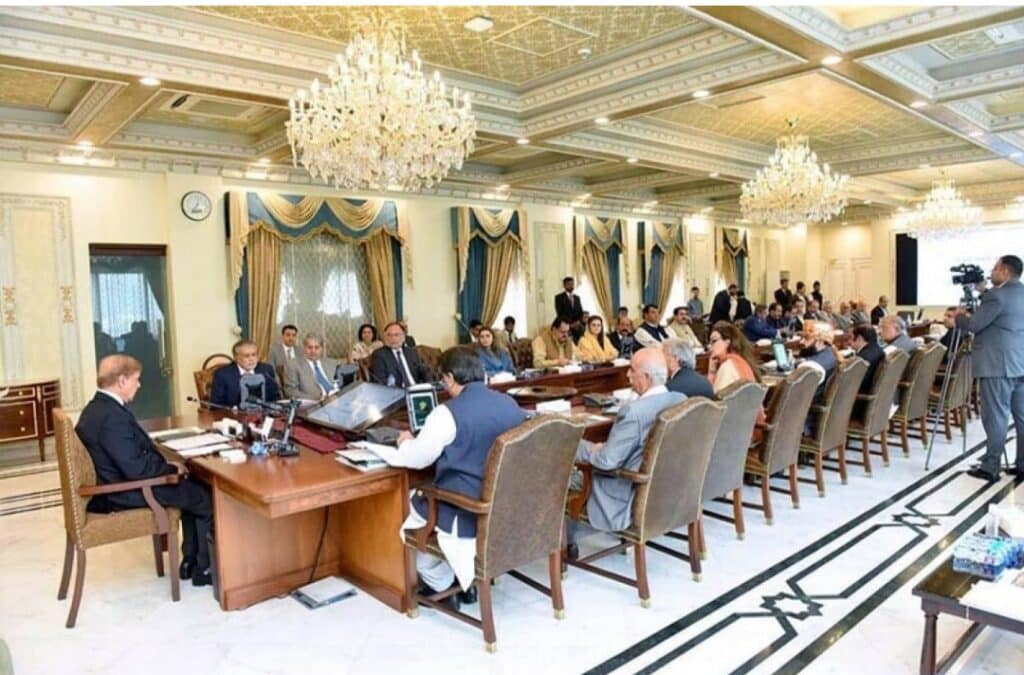
Pakistan’s diplomatic options should remain available, but engagement must be linked to measurable outcomes. General assurances about friendship, brotherhood or peaceful relations cannot substitute for concrete action. The relocation of terrorist commanders away from sensitive border areas, restrictions on their movements, disruption of training and financing networks, and the prevention of cross-border infiltration are among the practical measures that could demonstrate a change in policy.
Verification is equally important. Any agreement must include mechanisms to establish whether commitments are being implemented. Without verification, diplomatic declarations risk becoming temporary instruments for reducing tensions without addressing their causes.
Border management is another essential component. Trade routes and border crossings should not become permanent casualties of political disagreements. Both countries have economic reasons to maintain stable commercial relations. However, reopening crossings without addressing security concerns would leave the underlying dispute unresolved.
Pakistan must also maintain a distinction between the Afghan population and the Taliban administration. Ordinary Afghans should not be treated as responsible for the policies of the authorities in Kabul. Humanitarian considerations, lawful trade and people-to-people relations should remain separate from security disputes.
At the same time, Pakistan should continue strengthening its own border surveillance, intelligence capabilities and counterterrorism institutions. National security cannot depend entirely on decisions taken in Kabul.
The wider regional community also has a role. China, Russia, Iran and other neighboring countries have direct interests in preventing Afghanistan from becoming a source of regional instability. Coordinated diplomatic pressure could encourage the Taliban to address concerns about terrorist organizations while supporting a more predictable regional security environment.
Ultimately, Pakistan does not need symbolic declarations from Kabul. It needs an Afghan administration willing and able to prevent armed organizations from threatening its neighbor.
The future of bilateral relations will depend less on diplomatic language and more on whether the Afghan Taliban are prepared to take verifiable action. Until that happens, the fundamental obstacle between Islamabad and Kabul will remain.