Pakistan’s fight against terrorism has entered a critical phase in which military operations, intelligence coordination, political ownership and the dismantling of illegal financial networks must work together to secure lasting peace. The recent elimination of 74 militants in intelligence-based operations in North Waziristan, Orakzai and Quetta represents a significant development in the country’s ongoing counterterrorism campaign. However, the real challenge extends far beyond eliminating armed militants. It lies in dismantling the political, financial, criminal and logistical networks that enable terrorism to survive, regenerate and threaten Pakistan’s security.
According to the Inter-Services Public Relations (ISPR), security forces killed 43 Indian-sponsored militants described as Khawarij during intelligence-based operations in Orakzai and Mir Ali, North Waziristan. Earlier, another intelligence-based operation in Quetta resulted in the elimination of 31 militants. Together, these operations brought the reported number of militants neutralised in these operations to 74.
These developments demonstrate the importance of intelligence-led counterterrorism operations in addressing evolving security threats. Rather than relying exclusively on conventional military deployments, Pakistan’s security strategy increasingly depends on timely intelligence, targeted interventions and coordination among relevant security institutions. The scale and frequency of these operations also highlight the intensity of the security challenge confronting the country.
However, successful counterterrorism cannot be measured exclusively by the number of militants eliminated. The ultimate objective must be to establish an environment in which terrorist organisations cannot recruit, finance, train, organise or operate. Achieving that objective requires a comprehensive national strategy that addresses the underlying conditions sustaining militancy.
Intelligence is among the most valuable assets in any successful counterterrorism campaign. The ability to identify militant presence, assess emerging threats and respond through coordinated operations can significantly strengthen national security.
Pakistan reportedly conducts nearly 200 security operations daily across different parts of the country. The majority are intelligence-based, reflecting the importance of information-sharing and institutional coordination in confronting terrorism.
The recent operations in Mir Ali and Orakzai illustrate this approach. Information regarding militant presence prompted security forces to undertake targeted operations in the respective areas. The resulting casualties among militant groups demonstrate the operational importance of timely intelligence.
Nevertheless, intelligence-based operations must be supported by an effective institutional framework. Information gathered by security agencies, police intelligence networks and local sources must be analysed and shared efficiently. Any communication gap between institutions can create opportunities for militant organisations to exploit weaknesses.
Equally important is the role of local communities. Residents who understand their surroundings and recognise suspicious activities can become valuable partners in preventing terrorism. Building public confidence, protecting informants and ensuring that communities feel secure when cooperating with authorities should therefore remain essential elements of Pakistan’s counterterrorism policy.
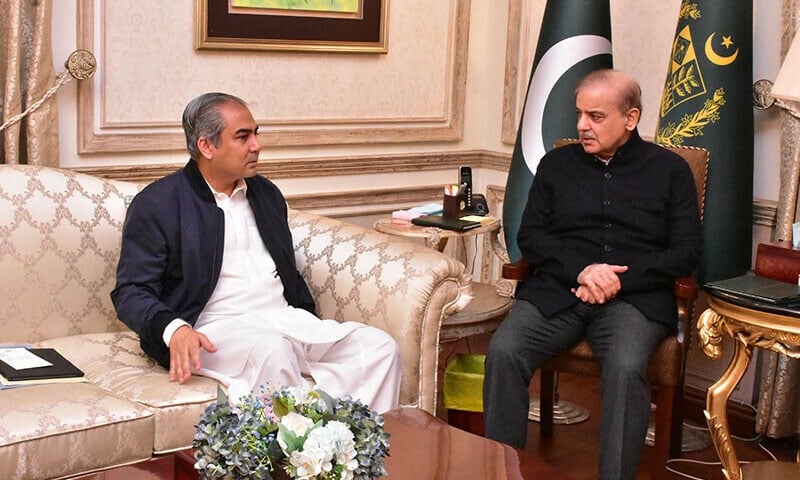
One of the most important developments in Pakistan’s evolving security environment is the renewed emphasis on political ownership and institutional coordination in Khyber Pakhtunkhwa.
Counterterrorism cannot succeed when political authorities and law enforcement agencies operate with different priorities or conflicting narratives. Security personnel working in dangerous environments need clear political backing, institutional confidence and a consistent policy framework.
The absence of a coordinated political approach can negatively affect police morale and operational effectiveness. When frontline personnel believe that political leadership is not fully supporting their responsibilities, the consequences can extend beyond administrative disagreements and affect the broader security environment.
The principle that terrorism is a national challenge requiring collective responsibility must remain central to policymaking. No political party, provincial administration or institution can afford to treat the security of Pakistan as somebody else’s responsibility.
Political leadership must stand firmly behind lawful counterterrorism efforts while ensuring accountability, transparency and respect for citizens’ rights. Improved coordination between the provincial administration and federal institutions offers an opportunity to develop a more unified security framework. This cooperation must be sustained beyond individual operations and political arrangements.
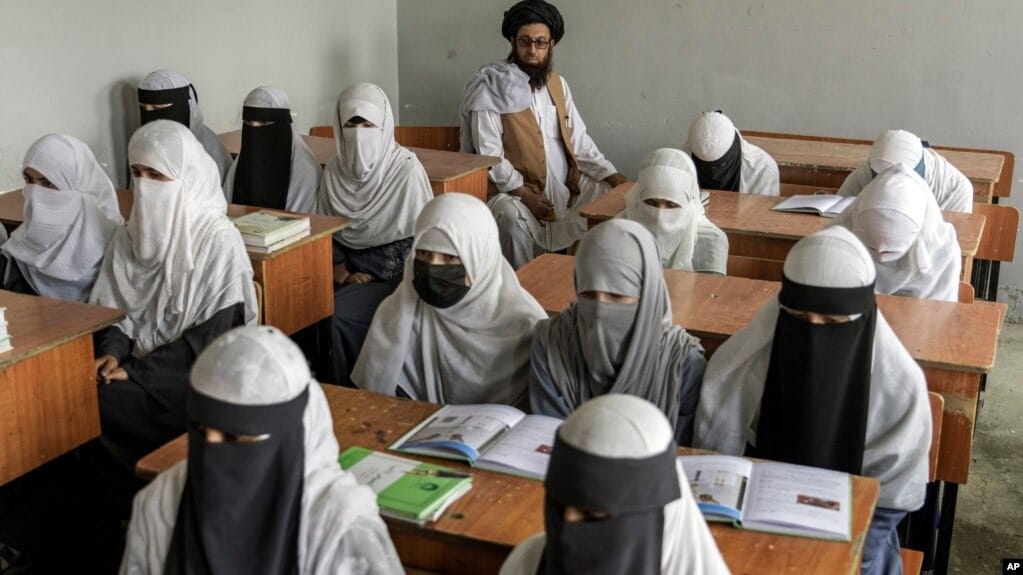
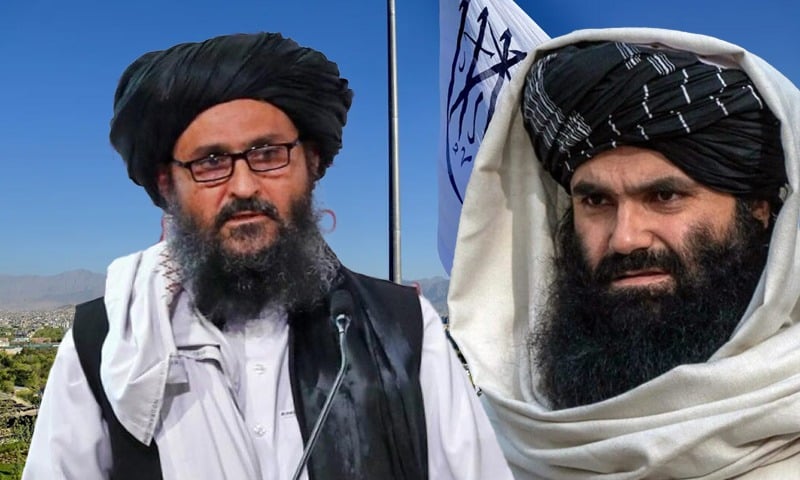
Another important dimension of Pakistan’s security challenges concerns developments across the Afghan border. Pakistan needs a consistent and coordinated national policy towards Afghanistan. Conflicting political messages and an absence of institutional alignment can weaken diplomatic clarity and complicate border security management.
The country requires a clear approach that addresses cross-border terrorism, militant training allegations, infiltration and the responsibilities of the Afghan authorities.
The apprehension of an Afghan national has raised further concerns about alleged militant training and cross-border movement. The individual reportedly identified himself as belonging to Afghanistan’s Paktika province and claimed to have been involved in training activities at a camp there. He also reportedly provided information about a militant suicide bomber allegedly accompanying him into Pakistan.
Such claims, if independently verified, could provide important information about militant recruitment, training and cross-border movement. They also underline the importance of investigating credible evidence and presenting substantiated findings through appropriate national and international channels.
Pakistan’s diplomatic engagement should remain firm, evidence-based and consistent. Cross-border security cannot be addressed through statements alone. It requires effective border management, intelligence cooperation where possible, diplomatic pressure and clear consequences for activities threatening Pakistan’s sovereignty.
The information environment has become another important dimension of Pakistan’s security landscape. Deliberate misinformation and hostile propaganda can weaken public confidence, intensify divisions and undermine the morale of security personnel.
A coordinated response to deliberate disinformation is necessary, particularly when false claims are designed to create confusion during sensitive security developments. However, the distinction between deliberate disinformation, legitimate criticism and freedom of expression must be maintained.
Monitoring social media should operate within clear legal boundaries. Investigations must be based on credible evidence, due process and applicable laws. Criticism of government policies or institutional decisions should not automatically be treated as hostility towards the state. The most effective defence against misinformation is a credible, transparent and timely flow of information.
Government institutions and security agencies should communicate verified facts, explain the circumstances surrounding major incidents and address public concerns. When reliable information is available, misleading narratives become less effective. Public trust is not built through enforcement alone. It is built through transparency, accountability and consistent communication.
Perhaps the most consequential priority in Pakistan’s internal security strategy is the need to strengthen the police. Military operations can help stabilise dangerous areas, but sustainable peace requires capable civilian law enforcement institutions that can maintain security after military deployments are reduced.
The police must possess the equipment, intelligence capabilities, training and operational resources necessary to confront modern security threats. Essential requirements include armoured vehicles, communication jamming equipment, night-vision capabilities and anti-drone systems. These are not merely technological upgrades. They are essential components of a broader effort to improve the safety and effectiveness of police personnel operating in high-risk environments.
The proposed increase in the availability of jamming equipment from approximately three per cent to full coverage reflects the need to address technological vulnerabilities. Similarly, investment in surveillance capabilities and protection against emerging drone threats deserves serious consideration.
An allocation of Rs70 billion towards strengthening relevant security capabilities has also been highlighted as an important investment. Such funding must be accompanied by transparent procurement, proper training, maintenance arrangements and measurable performance targets. Equipment alone cannot transform policing. Intelligence collection, investigative expertise, professional training, institutional independence and coordination with other security agencies are equally important.
The objective should be to develop a police force capable of independently maintaining surveillance, responding to threats and conducting lawful operations. The proposed gradual withdrawal of military personnel from certain districts, including Dera Ismail Khan, Tank, Bannu and Lakki Marwat, must therefore be linked to the readiness of local police institutions.
Any transition should be based on clearly defined security assessments rather than an arbitrary timetable. Military support should be reduced only when civilian authorities possess the capacity to assume their responsibilities without creating security gaps. A strong police force is ultimately one of the most sustainable investments Pakistan can make in internal security.
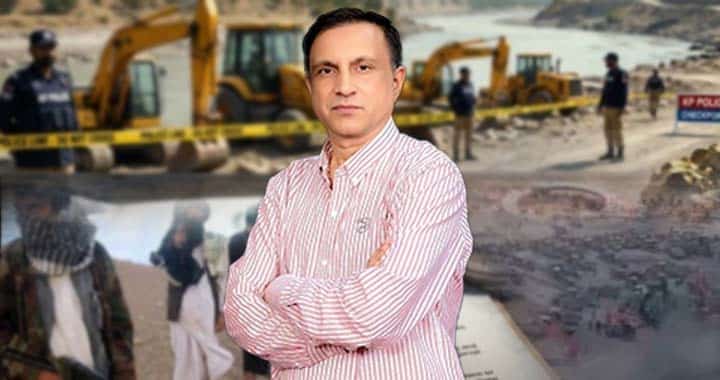
While intelligence operations and police modernisation are essential, another challenge demands urgent attention: the alleged connection between terrorism, illegal mining, smuggling, local criminal groups and influential individuals benefiting from unlawful economic activities. Illegal gold mining in parts of the Kohat region has emerged as a particularly serious concern.
Estimates presented about these activities suggest that illegal mining could generate between Rs1 billion and Rs2 billion weekly. A substantial proportion of these proceeds is alleged to reach the Tehreek-e-Taliban Pakistan (TTP), providing the organisation with a financial resource to sustain its activities. These figures and allegations require independent investigation and financial verification. Nevertheless, the underlying concern deserves serious attention: terrorism can become financially sustainable when criminal economies operate with impunity.
Illegal mining is not simply an environmental or regulatory issue when armed groups allegedly benefit from its proceeds. It becomes a national security concern. Criminal groups reportedly exercise control over mining locations, collect payments from operators and protect unlawful activities. There are also serious allegations of complicity involving elements within local administration, law enforcement and political circles.
These allegations must be investigated impartially. No individual or institution should be presumed guilty without evidence. However, neither should influential connections become a shield against accountability. The reported attack on a police team returning after action against illegal mining activities illustrates the potential security consequences of confronting entrenched criminal interests. If criminal groups use violence to protect illegal economic operations, the state must respond through coordinated law enforcement, financial investigations and judicial accountability.
The relationship between terrorism and organised crime is among the most dangerous dimensions of internal insecurity. Terrorist organisations need money to maintain their networks, acquire equipment, recruit individuals and sustain operations. When criminal economies provide that money, the distinction between terrorism and ordinary organised crime becomes increasingly blurred. The illegal spectrum includes militants, smugglers, illegal miners and other criminal networks operating through overlapping financial and protection arrangements.
Militant groups also allegedly impose extortion demands on agricultural communities, taking a portion of agricultural production and demanding payments from local businesses. Such practices undermine economic activity, intimidate ordinary citizens and gradually weaken the authority of the state.
The solution must therefore go beyond arresting individual militants. Authorities need to identify the financial channels through which illegal profits are generated, transferred and distributed. Investigations should examine cash transactions, suspicious business arrangements, unlawful mining operations, protection payments and assets potentially acquired through criminal proceeds.
Financial oversight institutions, law enforcement agencies, provincial administrations and relevant investigative bodies must work together. Where credible evidence establishes that officials, politicians or business interests are protecting illegal operations, the same standards of accountability must apply to everyone. There can be no selective enforcement against small criminals while powerful beneficiaries remain untouched.
The economic arrangements governing mineral extraction in Khyber Pakhtunkhwa also require serious scrutiny. Four mining blocks were reportedly auctioned for approximately Rs4 billion to Rs4.5 billion for a period of ten years, with individual blocks receiving contracts worth around Rs1.15 billion to Rs1.25 billion.
The central concern is whether the state is receiving a fair economic return from the exploitation of valuable natural resources. If the actual value of extracted minerals is substantially greater than the revenue received by the government, the existing contractual and regulatory arrangements require serious examination.
The government should commission an independent assessment of mineral reserves, production volumes, market values, royalty structures and contractual obligations.
It should also examine whether stronger public oversight, revised revenue-sharing arrangements or direct state supervision could deliver better results. A transparent system in which the government receives a fair share of legitimate mining revenue would serve several purposes. It would strengthen public finances, discourage illegal extraction and reduce opportunities for criminal groups to exploit natural resources.
Most importantly, legal mining must not become a cover for unlawful operations. The government must establish clear licensing procedures, monitor production, enforce environmental standards and ensure that all payments are documented through legitimate financial channels. The objective should be to transform natural resources from a source of criminal enrichment into an engine of economic development.
The developments in Pakistan’s security environment reveal that counterterrorism has several interconnected dimensions. Intelligence-based operations can eliminate immediate threats. Political unity can improve institutional coordination. A consistent Afghanistan policy can strengthen diplomatic and border security efforts. Better-equipped police forces can maintain stability. Financial investigations can weaken terrorist funding networks, while transparent resource management can prevent criminal exploitation of national wealth.
These measures must function as parts of one comprehensive strategy.
Pakistan should prioritise five interconnected objectives:
- Strengthen intelligence coordination: Improve information-sharing among security agencies, police and relevant civilian institutions while building public cooperation.
- Modernise the police: Provide professional training, protective equipment, modern surveillance capabilities and sufficient resources to assume long-term security responsibilities.
- Maintain political and institutional unity: Ensure consistent political ownership of counterterrorism policy and avoid narratives that weaken the confidence of frontline personnel.
- Dismantle illegal financial networks: Investigate illegal mining, extortion, smuggling and other criminal activities that allegedly provide resources to militant organisations.
- Ensure accountability and transparency: Pursue credible investigations against all individuals involved in criminal activities, regardless of their political, economic or institutional influence.
Pakistan’s elimination of 74 militants in recent intelligence-based operations is an important development in its continuing fight against terrorism. It reflects the significance of intelligence, operational coordination and a focused security response. But the country must recognise that terrorism cannot be defeated through security operations alone.
The real victory will come when militant organisations lose their financial resources, criminal networks lose their protection, illegal economic activities are brought under the law and communities regain confidence in the state’s ability to protect them. The strengthening of police institutions, the development of a unified national security policy and the dismantling of the terror-crime nexus must become central priorities.
Above all, Pakistan must ensure that no individual, group or institution can use illegal wealth, political influence or armed intimidation to challenge the authority of the state.
The message is clear: eliminating terrorists is essential, but eliminating the system that finances, protects and sustains terrorism is even more important. Pakistan’s long-term security will ultimately depend not only on the effectiveness of its security forces but also on the strength of its institutions, the integrity of its governance and its determination to establish the rule of law across every part of the country.