
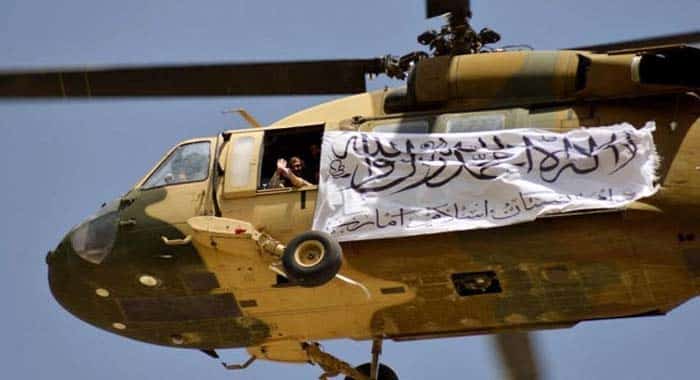
The Taliban have reportedly begun transferring military equipment, including light and heavy weapons, from Kabul and several other Afghan provinces to Kandahar and Helmand, according to sources cited by Hasht-e Subh Daily on Sunday, October 18. The movement of military assets toward the country’s southern provinces has drawn attention to the Taliban’s evolving security posture, although the purpose, scale, and operational objectives of the transfers remain unclear.
According to the sources cited by the Afghan newspaper, military equipment is being moved from the capital and other parts of Afghanistan to the southern provinces of Kandahar and Helmand. No further details were provided regarding the quantity or types of weapons involved, the units responsible for the transfers, or the reasons behind the movement.
The development raises questions about the Taliban’s current military priorities and whether the transfers form part of routine logistical redistribution, security preparations, or a broader adjustment of military deployments. In the absence of additional information, the precise significance of the movement remains uncertain.
Kandahar holds particular political and strategic importance for the Taliban, serving as the principal base associated with the movement’s supreme leadership. Helmand, meanwhile, is a strategically significant southern province with a long history of armed conflict and military operations.
The reported transfer of weapons and military equipment to these two provinces could reflect efforts to consolidate resources in areas considered important to the Taliban’s security and administrative priorities. However, the available information does not establish whether the movement is connected to any specific security threat, operational campaign, or planned military activity.
The absence of details concerning the volume of equipment being transferred also makes it difficult to determine whether the movement represents a limited logistical adjustment or a more substantial redeployment of military assets.
The sources cited by Hasht-e Subh Daily stated that the transfers involve both light and heavy weapons, with equipment being transported from Kabul and several other provinces toward the south. The movement of military assets between provinces can serve a range of purposes, including logistical reorganisation, the reinforcement of existing units, the replacement of equipment, or changes in security deployment. Without further information from the Taliban authorities or independent confirmation, it is not possible to determine which of these explanations, if any, applies in this case.
The reported transfers nevertheless highlight the importance of monitoring changes in military deployments across Afghanistan, particularly when the quantity of equipment, its intended recipients, and the reasons for its relocation have not been disclosed.
One of the central unanswered questions concerns why the Taliban are moving military equipment from Kabul and other provinces to Kandahar and Helmand. The sources provided no explanation for the transfers and did not identify any specific military operation or security development associated with them. They also did not disclose whether the equipment was being assigned to particular units, stored at military facilities, or redistributed among existing formations.
Until further information becomes available, any interpretation of the transfers must remain tentative. Establishing their significance would require additional details about the equipment involved, the scale of the movement, and the operational decisions behind it.
The Taliban authorities have not been quoted in the information provided as offering an official explanation for the reported transfers. Military movements within Afghanistan remain relevant to the country’s broader security landscape, particularly as the Taliban continue to administer the country amid persistent economic, humanitarian, and security challenges.
Changes in the distribution of weapons and equipment can provide insight into military priorities, but their significance depends on context. The relocation of equipment does not, by itself, establish that an offensive operation or an escalation in hostilities is imminent.
For Afghanistan’s neighbouring countries and international observers, reliable information about military deployments is important to understanding developments that may affect regional stability. Clear explanations from the relevant authorities, supported by independently verifiable information, would help establish whether the transfers represent routine administrative measures or a more significant change in military posture.
The reported movement of light and heavy weapons from Kabul and other Afghan provinces to Kandahar and Helmand has raised questions about the Taliban’s military priorities and the intended purpose of the transfers.
While sources cited by Hasht-e Subh Daily confirmed the direction of the reported movement, essential details including the quantity of equipment, the units involved, and the reasons behind the transfers—remain undisclosed.
Further information will be needed to determine the scale and significance of the development. For now, the movement highlights the importance of closely monitoring military developments in Afghanistan while distinguishing confirmed information from speculation about their possible implications.



