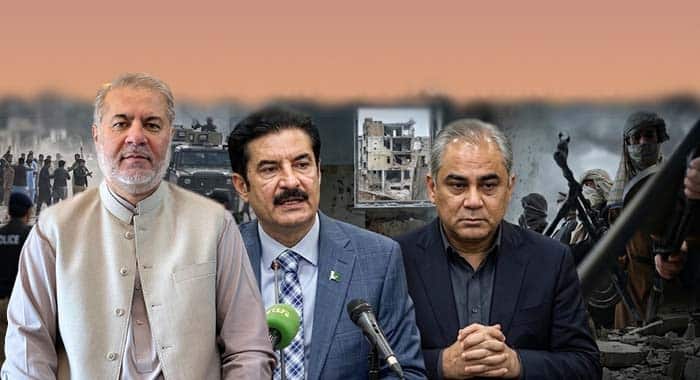
The imposition of Governor’s Rule, the revival of the Apex Committee, and fresh commitments to strengthen the police and counterterrorism institutions have opened a new chapter in Khyber Pakhtunkhwa. But the real test of this intervention will not be how many meetings are held, weapons distributed, or operations conducted. It will be whether the state can restore public confidence, defeat militancy, address decades of deprivation, and establish lasting peace along Pakistan’s troubled Afghan frontier.
Khyber Pakhtunkhwa stands at a critical crossroads. Rising militant violence, persistent insecurity in the southern districts, the continuing vulnerability of the former tribal areas, and increasingly strained relations between Pakistan and Afghanistan have transformed the province’s security crisis into a national challenge. Against this troubling backdrop, the imposition of Governor’s Rule has raised a fundamental question: can a change in the system of provincial administration deliver the peace that years of political promises, security operations, and institutional interventions have failed to guarantee?
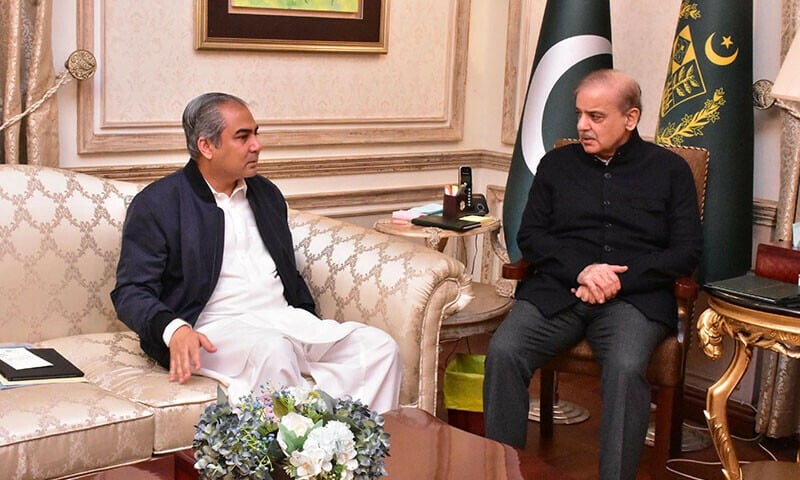
The meeting of the Apex Committee held the day after the imposition of Governor’s Rule has placed this question firmly at the centre of public debate. The meeting brought together relevant stakeholders to discuss the deteriorating security situation and consider measures to strengthen law enforcement, improve civil-military coordination, reinforce counterterrorism capabilities, and address the long-standing grievances of communities most affected by militancy.
The security situation demands a sober assessment. Weak coordination between provincial and federal authorities, unfulfilled promises to the former tribal districts, and the limitations of expecting immediate results from an administrative change have all contributed to the complexity of the challenge.
The central argument is clear: Khyber Pakhtunkhwa cannot overcome its crisis through emergency measures alone. Peace requires capable institutions, political responsibility, sustained investment, and the trust of the people.
The Apex Committee meeting was significant not simply because it followed Governor’s Rule, but because it came after a prolonged period in which security coordination had attracted criticism. Meetings had become infrequent during the preceding provincial administration, with only one meeting reportedly held during Sohail Afridi’s tenure. The lack of regular meetings had itself become a subject of political controversy.
The latest meeting brought together stakeholders to examine the province’s security challenges and identify practical measures for addressing them. Its timing reflected the urgency of the situation, particularly in the southern districts, where militant violence has intensified.
The reported increase in terrorism in the southern districts stands at approximately 198 per cent, while September was described as having witnessed the highest number of attacks in 12 years. These figures, which require verification against official security data, underscore the alarming trajectory of violence and the need for transparent, independently verifiable information to guide public policy.
The troubling reality is that this escalation has occurred despite numerous military operations and approximately 1,000 intelligence-based operations. Security forces have continued their activities, yet militancy remains a formidable challenge. This raises an uncomfortable but unavoidable question: if extensive operations have been conducted, why has sustainable peace remained so elusive?
The answer cannot be reduced to a single institutional failure. Geography, militant networks, cross-border security concerns, governance deficiencies, economic deprivation, and the absence of consistent coordination have all contributed to the complexity of the crisis. Military action may weaken militant formations, but it cannot independently resolve every political, administrative, and social condition that allows violence to persist.
The Apex Committee must therefore become more than a forum for expressing concern. It must serve as a mechanism for assigning responsibilities, setting measurable objectives, reviewing progress, and ensuring that decisions translate into tangible improvements in people’s lives.
One of the most important decisions discussed at the meeting was the strengthening of the Khyber Pakhtunkhwa police. The proposed measures include increasing personnel, providing weapons and other essential equipment, supplying vehicles, and meeting the operational requirements of the Counter-Terrorism Department (CTD).
The provision of vehicles and equipment to the police is particularly important in areas where difficult terrain, long distances, inadequate infrastructure, and the threat of armed attacks complicate law enforcement. Police officers cannot be expected to protect communities effectively if they lack mobility, modern equipment, adequate communications, reliable intelligence, and appropriate protection.
Likewise, strengthening the CTD is essential because counterterrorism requires specialised investigation, intelligence analysis, surveillance capabilities, evidence collection, and the ability to identify and disrupt militant networks before attacks occur. However, distributing equipment must be the beginning of reform, not its conclusion.
The government must ensure that the police receive professional training, adequate maintenance support, sufficient operational resources, effective leadership, and institutional protection from political interference. The CTD must be equipped not only to respond after attacks but also to investigate the financial, logistical, recruitment, and communications networks that sustain militant organisations.
The objective should be to build a police force capable of maintaining law and order independently and consistently, rather than relying indefinitely on extraordinary deployments. The distinction matters. Military operations may be necessary when the state faces heavily armed insurgent groups, but everyday security ultimately depends on institutions that can protect citizens, investigate crimes, enforce the law, and remain accessible to local communities. A strong police force is therefore not merely a security expenditure. It is an investment in the state’s long-term legitimacy.
Another major decision discussed at the Apex Committee was the improvement of civil-military coordination. This is essential because the security challenges confronting Khyber Pakhtunkhwa extend beyond the jurisdiction and capacity of any single institution.
The provincial government, federal government, police, CTD, military, intelligence agencies, and local administrations must work towards clearly defined and mutually understood objectives. Conflicting priorities, delayed decisions, institutional mistrust, or political disagreements can weaken the effectiveness of even well-resourced security measures.
The lack of sufficient alignment between provincial and federal authorities has been a serious concern. Renewed cooperation is a positive development, but coordination alone will not quickly resolve the crisis. Better coordination requires clear chains of responsibility, timely intelligence-sharing, reliable communication, coordinated operational planning, and consistent oversight. It also requires civilian authorities to remain meaningfully involved in the political, administrative, and developmental dimensions of security policy.
The federal government cannot treat Khyber Pakhtunkhwa’s security crisis as a provincial problem alone. Pakistan’s international border with Afghanistan, its foreign policy, and the movement of armed groups across the region make the situation a matter of national security.
At the same time, provincial authorities cannot evade their responsibilities by attributing every failure to federal policy or external interference. Both levels of government must be held accountable for the responsibilities within their respective mandates. Cooperation should not become an excuse for shifting blame; it should create a framework in which failures can be identified and corrected.
The imposition of Governor’s Rule has generated debate over constitutional governance, political legitimacy, administrative effectiveness, and the future of elected representation in Khyber Pakhtunkhwa. Removing an elected government and introducing Governor’s Rule is not a political arrangement that everyone will welcome. Nevertheless, supporters of the intervention argue that when conventional approaches fail to address a serious crisis, a different administrative response may be necessary.
In this case, the argument for intervention rests on allegations that the previous provincial administration failed to respond adequately to the growing threat of militancy and insecurity. The former government faced criticism over its handling of law and order and its ability to confront armed groups. Its opponents argued that its approach had not delivered the necessary results. Governor’s Rule has consequently been presented as an attempt to address a crisis that existing political arrangements were unable to resolve.
But changing the administrative structure does not automatically improve governance. An emergency administration will face the same difficult terrain, entrenched militant networks, underdeveloped districts, institutional limitations, and public grievances that confronted its predecessors. If the new administration merely changes officeholders without reforming the mechanisms through which decisions are implemented, the results may prove disappointing.
The Governor’s Rule arrangement was described as a three-month intervention, while emergency measures had also been introduced in 12 districts. The immediate task is therefore to demonstrate that the intervention can produce credible improvements within a limited period.
That does not mean every militant threat can be eliminated in three months. Such an expectation would be unrealistic given the depth of the crisis. The government must instead establish achievable benchmarks: improved police mobility, better intelligence coordination, reduced opportunities for militant attacks, more effective CTD investigations, and visible progress in protecting vulnerable communities. Emergency powers should be judged by their results, their legality, their accountability, and their contribution to restoring normal civilian governance not simply by the authority they confer.
Perhaps the most consequential issue is the condition of the former Federally Administered Tribal Areas, which were merged into Khyber Pakhtunkhwa in 2018. The merger was expected to bring these historically neglected areas into the provincial administrative and constitutional framework, improve public services, strengthen governance, and expand economic opportunities. Yet the transition has been accompanied by persistent complaints about inadequate funding, weak infrastructure, insufficient services, and the slow pace of development.
A commitment was made to provide Rs100 billion annually for ten years to support development in the merged districts. However, the promised funding has not been delivered as expected, according to the concerns raised during the discussion.
This distinction is critical: the commitment was a ten-year development promise, not merely a one-time allocation. Its implementation, including actual releases and expenditures, should be examined transparently through official budgetary records.
Without adequate and predictable funding, administrative integration risks remaining incomplete. A change in jurisdiction cannot, by itself, create functioning hospitals, well-equipped schools, reliable roads, employment opportunities, or effective local government.
The former tribal districts have endured decades of marginalisation, conflict, displacement, and disrupted economic activity. Their residents have repeatedly been asked to bear the consequences of national security challenges while waiting for the public investment necessary to improve their lives.
This neglect has consequences far beyond poverty. Where communities lack access to justice, education, employment, healthcare, and accountable administration, the state struggles to establish the trust needed for effective security cooperation.
The responsibility for addressing these deficiencies does not rest with one administration alone. Successive provincial governments and elected representatives have faced criticism for failing to give these districts sufficient attention. This points to a broader pattern of political neglect that cannot be corrected by blaming only the most recent government.
Representatives who have received public mandates and development funds must explain what they have delivered. Provincial authorities must demonstrate how resources have been allocated and spent. The federal government must honour its financial commitments and work with the province to close the development gap.
The people of the merged districts deserve more than statements of sympathy. They deserve transparent budgets, functioning institutions, measurable development, and a meaningful role in decisions affecting their future.
The discussion identified eight former tribal districts Bajaur, Mohmand, Khyber, Orakzai, Kurram, North Waziristan, South Waziristan, and an area whose name was unclear in the original transcript—alongside Lakki Marwat, Bannu, Tank, and Dera Ismail Khan, making a total of 12 districts subject to the emergency measures described.
The precise name of the eighth area should be verified against the official district notification before publication. The remaining districts illustrate the geographic breadth of the challenge, particularly across the merged districts and the southern belt.
These are not simply locations on a security map. They are communities whose residents must contend with insecurity while also seeking education for their children, medical treatment for their families, roads connecting them to markets, and livelihoods that allow them to live with dignity. The Apex Committee’s emphasis on directing funds towards education, healthcare, and road infrastructure is therefore a welcome recognition that counterterrorism policy must extend beyond force deployment.
Schools must be accessible and safe. Healthcare facilities must have staff, medicines, and equipment. Roads must connect isolated communities to essential services and economic opportunities. Local administrations must be capable of resolving ordinary disputes before they escalate into wider grievances.
Development spending, however, must be carefully monitored. In areas where public resources are limited and implementation capacity is weak, the risk of corruption, waste, and politically motivated allocation can undermine even well-intentioned programmes.
Funds must reach the intended communities, projects must be completed to an acceptable standard, and independent audits must establish whether public money has achieved its stated purpose. The lesson is clear: security and development are not competing priorities. They are interdependent responsibilities.
The nature of the militant threat has changed considerably over the past two decades. The groups confronting Pakistan today are more organised, better connected, and more technologically capable than the militant formations that operated in the region in 2004, 2005, and 2006.
The Tehreek-e-Taliban Pakistan (TTP), Hafiz Gul Bahadur’s network, and other militant organisations have developed wider connections and more sophisticated capabilities. The use of modern technologies, including quadcopters, can complicate security operations and increase the risks faced by police and military personnel.
This evolution makes it dangerous to rely on outdated assumptions or repeat previous approaches without evaluating their effectiveness. Militant organisations can exploit gaps in intelligence-sharing, weak local governance, insecure transport routes, and divisions between political and security institutions. Technological adaptation further increases the importance of specialised training, reliable surveillance, counter-drone capabilities where appropriate, and intelligence-led operations conducted within the law.
Pakistan could face a highly organised and dangerous insurgency in these areas. This possibility reinforces the need for a long-term strategy rather than a short-lived campaign tied to the duration of Governor’s Rule. It also highlights why military action alone cannot guarantee a durable outcome. Even when an operation disrupts an armed network, lasting success depends on preventing its re-emergence, protecting residents from intimidation, maintaining public services, and ensuring that local institutions can function without fear. The state must be capable of responding to the threat while simultaneously creating conditions in which militant organisations struggle to recruit, operate, and exercise influence.
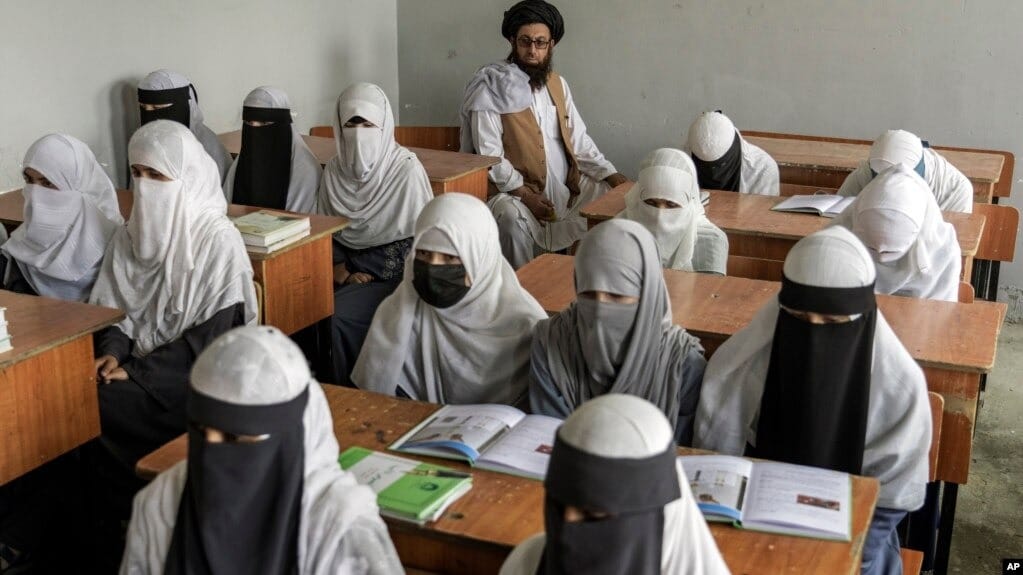
One of the strongest messages emerging from the security debate is that the population must not be treated as a secondary consideration in counterterrorism policy. Residents of Khyber Pakhtunkhwa, particularly those living in the southern districts and the former tribal areas, want one thing above all else: peace. They want security for their lives, property, businesses, and families. They want to send their children to school without fear, travel without intimidation, and invest in economic activity without worrying that violence will destroy their livelihoods.
Peace is not an abstract political slogan for these communities. It is the foundation of everyday life. When security improves, businesses are more likely to reopen, markets can function, investors can assess opportunities, and families can plan for the future. Employment and prosperity become more achievable when people are no longer forced to organise their lives around the threat of violence. Conversely, persistent insecurity discourages investment, interrupts education, weakens public services, and drives talented people away from affected areas.
The government must therefore measure success not only through the number of operations conducted or militants apprehended, but also through the experiences of ordinary citizens. Are markets operating safely? Are schools functioning regularly? Can farmers reach their land? Can traders transport goods? Are families able to approach the police without fear? Are displaced residents able to return safely where conditions permit? These questions should inform the government’s performance assessments.
The previous provincial administration also faced criticism for neglecting party workers and relying on them when politically useful. This carries a wider lesson for political parties: electoral popularity does not eliminate the obligation to govern responsibly. Parties that enjoy public support must convert that support into service delivery, effective representation, and accountability. Workers and supporters should not be treated merely as instruments of political mobilisation. They are citizens whose communities need functioning institutions and responsive leadership.
The same standard should apply to the incoming administration. It must resist the temptation to interpret public frustration with the previous government as unconditional support for its own policies. Trust must be earned through results.
The 2014 military operation in North Waziristan was followed by a period in which security improved across Khyber Pakhtunkhwa and the former tribal areas. This experience illustrates how military action can create space for ordinary life to resume. But the central challenge is preserving those gains. Operations may dislodge armed groups from particular locations, disrupt their infrastructure, and restore state control. Yet if the resulting security vacuum is not filled by effective civilian administration, justice, development, and community engagement, the conditions for renewed instability may persist.
The government must learn from past experiences rather than assume that a previous operation’s success can be reproduced through force alone. Addressing local problems and involving communities in restoring peace are essential. This requires credible communication with residents, protection for those threatened by militants, support for affected families, and meaningful consultation with local elders, civil society, elected representatives, and other legitimate community stakeholders.
It also requires sensitivity to the economic and psychological consequences of prolonged conflict. Families affected by violence may need assistance rebuilding homes and businesses, while young people require education and employment pathways that offer a realistic alternative to despair. None of these measures should be interpreted as a substitute for enforcing the law against armed groups. Rather, they are necessary complements to effective security operations. A state that protects its citizens while addressing their legitimate grievances strengthens its own authority. A state that relies on force without delivering justice and services risks leaving public confidence fragile.
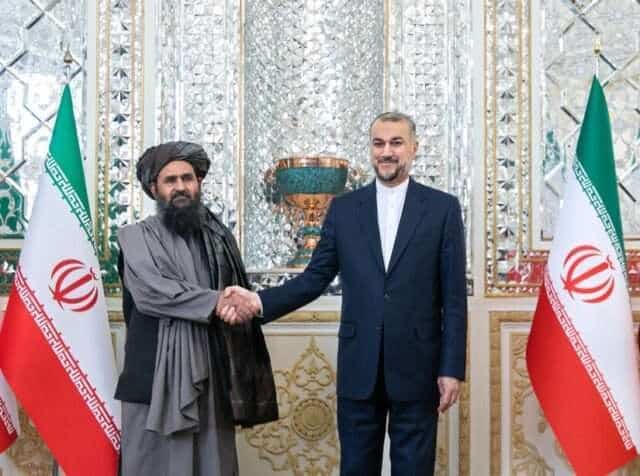
Khyber Pakhtunkhwa’s security challenges cannot be understood without considering Pakistan’s relationship with Afghanistan. The international border makes this a national security and foreign policy issue, not merely a provincial administrative problem. Pakistan has repeatedly expressed concern that Afghan territory is being used by the TTP and other militant groups to launch attacks inside Pakistan. The Afghan authorities’ response and the broader security relationship remain central to resolving these concerns.
The TTP issued a statement viewed as politically favourable to Pakistan Tehreek-e-Insaf (PTI). This could intensify domestic political criticism by reinforcing allegations that the party was sympathetic to militant groups and the Afghan Taliban. Such allegations are politically consequential, but they must be assessed carefully and supported by evidence. A militant group’s public statement should not, by itself, be treated as conclusive proof of a political party’s operational relationship with that organisation.
Pakistan’s counterterrorism policy must remain grounded in verifiable evidence, consistent legal standards, and a clear distinction between political criticism and demonstrable involvement in violence. Meanwhile, the bilateral relationship faces serious practical difficulties. The border was reported to have been closed since October of the preceding year, disrupting trade and contributing to heightened tensions. An attack in the Kurram sector involving Pakistani and Afghan troops was also reported shortly before the discussion.
The continued closure of crossing points and the interruption of bilateral trade carry costs for traders, transporters, workers, and families on both sides of the border. Border communities often depend on cross-border economic activity, making prolonged disruption particularly damaging.
Nevertheless, reopening trade and improving diplomatic relations cannot be separated from credible security arrangements. Pakistan’s concerns about militant attacks require serious engagement, while both sides have an interest in avoiding further escalation along the frontier. Dialogue could provide a way forward, although the situation remains vulnerable to further tensions.
A sustainable solution will require direct engagement, practical mechanisms for investigating cross-border incidents, effective border management, and verifiable action against armed groups that threaten either country’s security. Diplomacy should not be reduced to public accusations, nor should security concerns be dismissed in the name of economic convenience. Pakistan and Afghanistan need arrangements that protect their populations while preventing disputes from escalating into repeated armed confrontations.
The government should not expect to achieve its objectives immediately. Given the age of the conflict, the organisational capabilities of militant groups, and the structural weaknesses of affected districts, this warning is realistic. Although Governor’s Rule was described as a three-month arrangement, meaningful progress may require four to five months or longer. Even that period should be viewed as an opportunity to establish direction and demonstrate measurable improvement, not as a guarantee that terrorism can be eliminated within a fixed deadline.
The authorities should concentrate on five priorities. First, strengthen police and CTD capacity through personnel, vehicles, equipment, training, intelligence capabilities, and reliable operational funding. Second, establish a functioning coordination framework between federal and provincial authorities, civilian administrations, police, military institutions, and intelligence agencies. Third, protect the population by improving security in vulnerable communities, responding to threats, and ensuring that residents can report intimidation and criminal activity safely.
Fourth, direct development resources towards education, healthcare, roads, employment, and local administrative capacity, particularly in the former tribal districts. All spending should be transparent and independently monitored. Fifth, pursue diplomatic engagement with Afghanistan while maintaining a clear and consistent policy against militant violence and cross-border attacks.
Progress should be reported publicly through credible indicators, subject to necessary operational-security protections. Citizens deserve to know whether resources are reaching the districts most in need, whether police capacity is improving, and whether public services are becoming more reliable. The government must also demonstrate that it has learned from previous failures. Past mistakes included directing money towards people or institutions that lacked the ability to deliver. The implication is straightforward: funding without implementation capacity does not produce development. Appointments and contracts must be based on competence, integrity, and the ability to achieve results. Political loyalty cannot be a substitute for administrative capability.
Governor’s Rule and the Apex Committee’s decisions have created an opportunity to reconsider how Pakistan confronts militancy in Khyber Pakhtunkhwa. Strengthening the police, equipping the CTD, improving civil-military coordination, supporting vulnerable districts, and recognising the developmental needs of the former tribal areas are important steps.
But the ultimate test lies ahead. The government must demonstrate that it can protect citizens without treating emergency administration as a substitute for accountable governance. It must ensure that military operations are supported by effective policing, that development commitments are fulfilled, and that the people of the affected districts are partners in restoring peace rather than spectators to decisions made in distant offices.
The federal government must accept its national responsibilities, particularly in relation to the Afghan border, foreign policy, and the resources required to address longstanding regional inequalities. Provincial and local authorities must deliver services and remain accountable for the public funds entrusted to them. Political parties must learn that electoral support creates obligations rather than immunity from criticism.
Most importantly, the state must recognise that the people of Khyber Pakhtunkhwa have already paid an enormous price for prolonged insecurity. They should not be asked to endure another cycle of operations, promises, temporary improvements, and renewed violence.
The lesson of the past two decades is that security cannot be sustained by force alone, just as development cannot flourish in the absence of peace. The two must advance together, supported by competent institutions, honest leadership, reliable funding, and a political commitment that survives changes of government. Governor’s Rule may provide a temporary administrative framework for confronting the immediate emergency. It cannot, by itself, resolve the deeper crisis of trust, deprivation, and insecurity.
That responsibility belongs to the entire state. Ultimately, the success of the Apex Committee will not be determined by the length of its meetings or the strength of its declarations. It will be measured by whether a child can attend school safely, a trader can open a shop without fear, a family can sleep peacefully, and a young person can build a future without believing that violence is inevitable.
For Khyber Pakhtunkhwa, peace is not merely a security objective. It is the foundation of dignity, prosperity, constitutional stability, and national unity. The government now has an opportunity to prove that its promises can become reality. The people have waited long enough; they deserve nothing less than lasting peace and responsible governance.